The FDA has approved Moderna’s mRNA seasonal flu vaccine, mFLUSIVA, for people aged 50 and older, with availability planned for the 2026–2027 season. In trials among 50–64-year-olds, the shot produced 27% fewer confirmed flu cases than the standard vaccine and had a similar overall safety profile, though mild side effects were more common. Moderna will gather winter data comparing mFLUSIVA with the high-dose vaccine used for those 65+ and submit results to the FDA. The approval follows an earlier FDA decision to delay review until Moderna agreed to a post-market study.
FDA Approves Moderna’s mFLUSIVA mRNA Flu Vaccine for Adults 50+ Ahead of 2026–27 Season

Elise Amendola/AP, FILE - PHOTO: In this Dec. 15, 2020, file photo, the Moderna, Inc. headquarters is shown in Cambridge, Mass.
The Food and Drug Administration on Wednesday approved Moderna's mRNA seasonal influenza vaccine, mFLUSIVA, for use in people aged 50 and older. The company plans to make the shot available for the 2026–2027 respiratory illness season.
“Flu remains a significant public health challenge, and mFLUSIVA provides an important new option for America’s seniors. This approval also reflects the ongoing potential of our mRNA platform to help address important public health challenges through continued scientific innovation,” said Stéphane Bancel, Chief Executive Officer of Moderna.
Trial Results
In a clinical trial of adults ages 50 to 64, mFLUSIVA produced 27% fewer confirmed influenza cases than the current standard-dose vaccine. Moderna reported that overall safety profiles were similar between the mRNA shot and the standard vaccine, although a higher proportion of mFLUSIVA recipients noted side effects. Most reported reactions were mild and typically resolved within two days.
Safety and Use in Older Adults
Public health guidance currently recommends a high-dose flu vaccine for adults 65 and older. Moderna said it will collect data this winter comparing mFLUSIVA with the existing high-dose option and will submit those results to the FDA to determine whether mFLUSIVA should remain authorized for that age group.
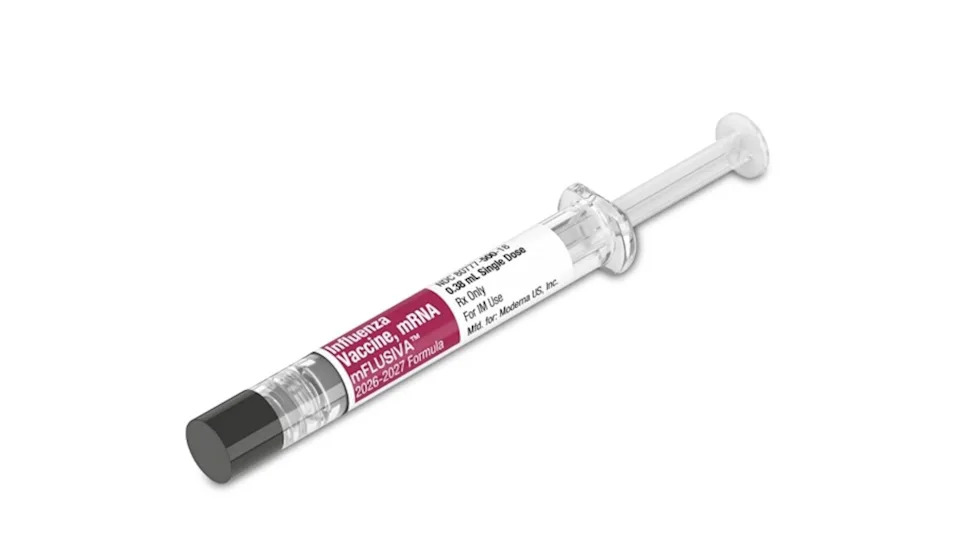
Moderna - PHOTO: The Food and Drug Administration approved Moderna's mRNA seasonal flu vaccine on Wednesday.
Regulatory History and Next Steps
Earlier this year, the FDA initially declined to review Moderna's application. The agency reversed course after Moderna agreed to conduct an additional post-market study once the vaccine is on the market. Moderna has said it will continue collecting comparative data and share findings with regulators.
Context and Debate
The approval comes amid broader debate about mRNA vaccine technology. Last year, the Department of Health and Human Services canceled at least $500 million in federally funded mRNA vaccine development programs. Health Secretary Robert F. Kennedy Jr. has publicly criticized mRNA platforms and said funding should be redirected to other vaccine approaches; infectious disease experts and vaccinologists maintain that mRNA vaccines have a strong safety record and argue the technology can speed production and improve strain matching.
Public Health Guidance
The Centers for Disease Control and Prevention recommends annual influenza vaccination for everyone aged 6 months and older. Public health authorities generally advise getting vaccinated before the end of October to reduce the risk of severe illness, hospitalization, and death.
Note: This is a developing story. We will update this article as new information and study data become available.
Help us improve.