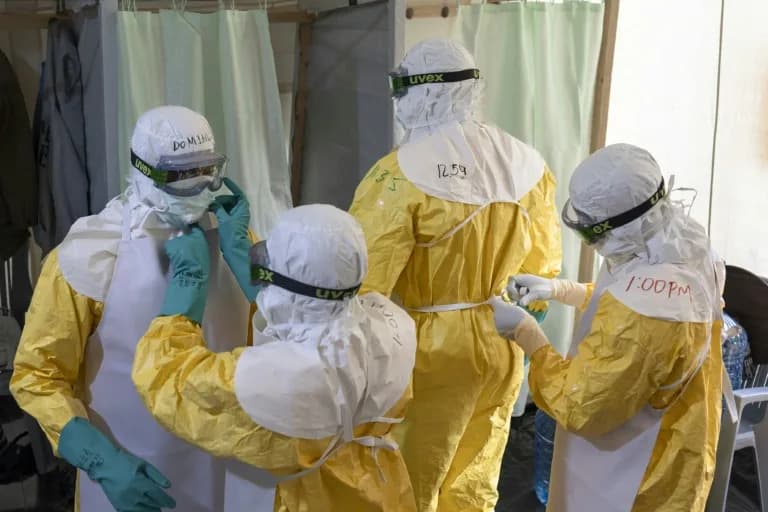
The Ebola outbreak in eastern DRC has surged since mid-May, infecting at least 3,874 people and killing 1,751. Frontline workers in Bunia face the deadly Bundibugyo strain, community hostility and violence, and delayed government wages that have sparked protests and short walkouts. MSF says it is meeting obligations to staff while authorities work to process outstanding payments. Interruptions to staffing or support could worsen transmission and hinder containment efforts.
Unpaid Wages Threaten Frontline Ebola Response as DRC Outbreak Surges
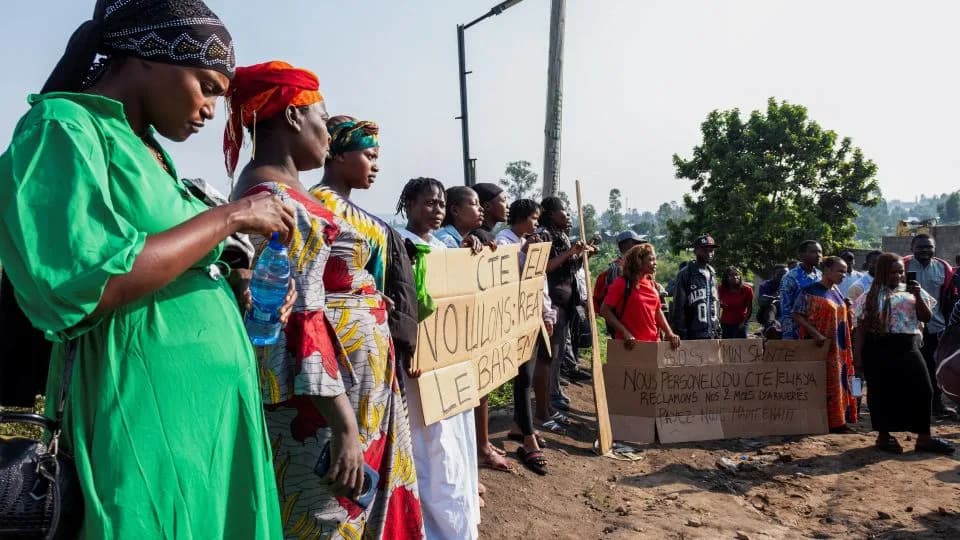
Health workers demonstrate outside the Elikya Ebola Treatment Center, demanding payment of overdue pay, following a visit by the country's prime minister, in Bunia, on July 25. - Gradel Muyisa Mumbere/Reuters
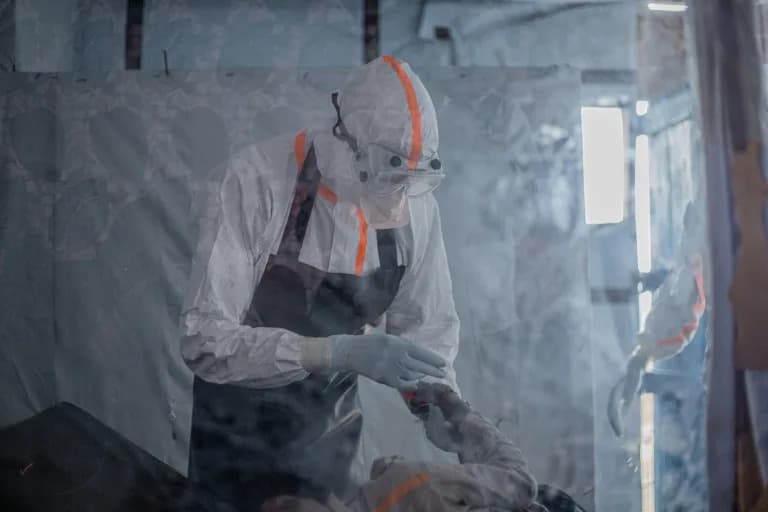
Every morning, nurse Micheline Kayimpa pulls on multiple layers of protective gear before entering an Ebola isolation ward in eastern Democratic Republic of Congo (DRC), acutely aware that one small mistake could cost her life.
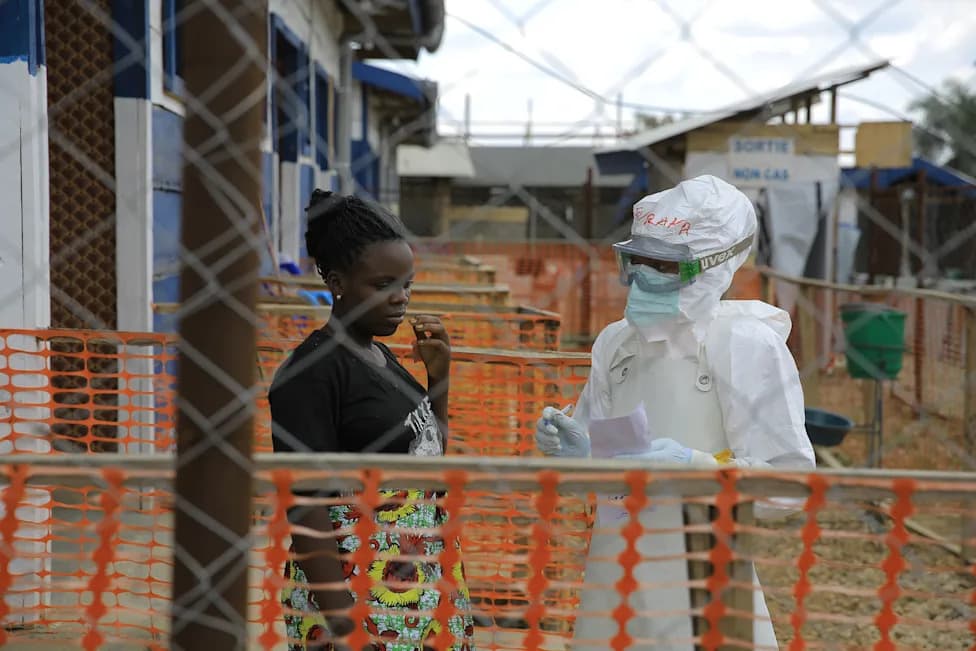
At the Elikya Ebola Treatment Center in Bunia, Kayimpa spends long shifts administering medicines and helping patients too weak to feed themselves. Because Ebola spreads through bodily fluids, routine care — from treating patients to disinfecting spaces — places health workers at constant risk.
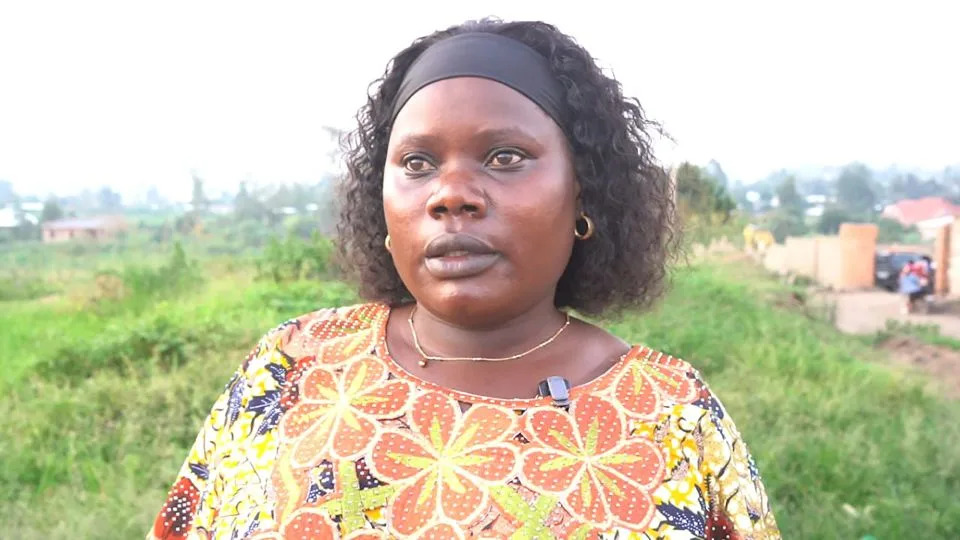
Micheline Kayimpa stands outside Elikya Ebola treatment center in Bunia on July 27, 2026. - Prosper Heri Ngorora
"I am very afraid for my safety," Kayimpa told CNN. "Sometimes, a small detail we overlook can prove fatal."
Outbreak, Scale and Strain
The World Health Organization has described this as the largest Ebola outbreak ever reported in the DRC. Since mid-May the flare-up has infected at least 3,874 people and killed 1,751, according to the Congolese health ministry. The outbreak was first detected in both the DRC and neighboring Uganda; Uganda has since declared itself free of transmission, while cases continue to accelerate in eastern Congo.
Bunia, the capital of Ituri province, is the epicenter and accounts for more than 90% of confirmed cases. This wave has reached a scale in just over two months that surpassed the country's 2018–2020 epidemic. Only the 2014–2016 West Africa epidemic was larger globally.
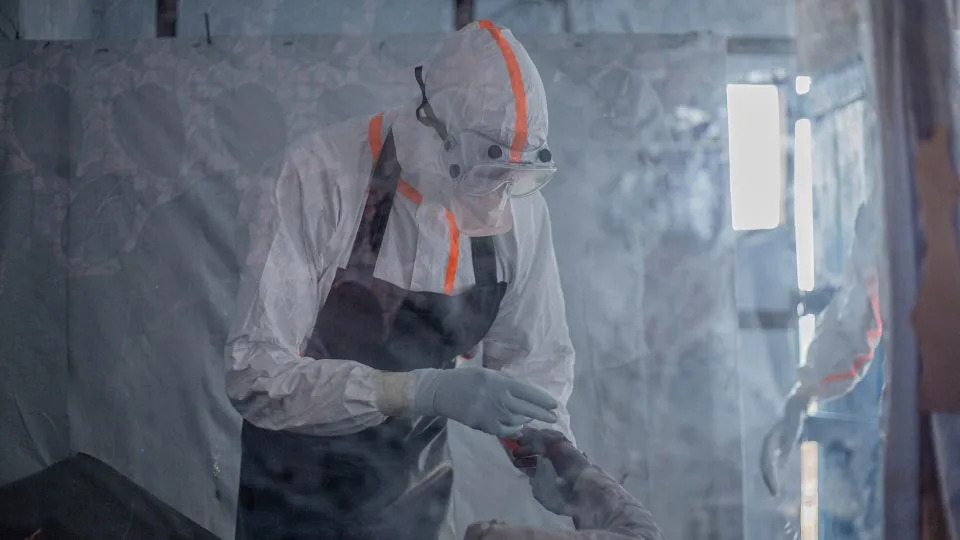
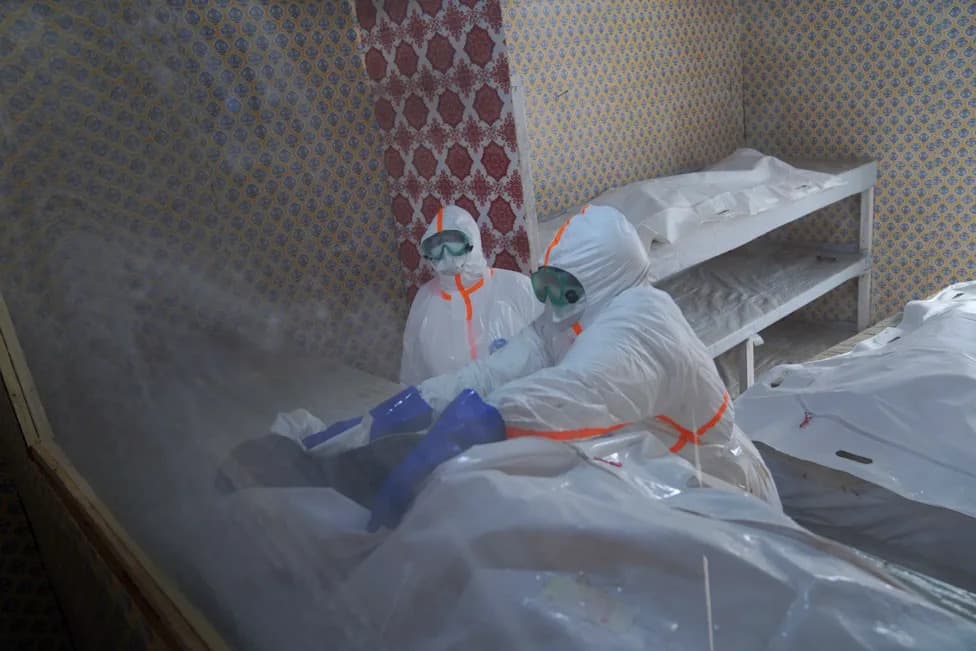
A doctor provides care to a patient with Ebola virus disease at the Rwampara Ebola Treatment Centre in Bunia, Ituri, in eastern DRC on July 13, 2026. - Benediction Murhabazi/AFP/Getty Images
Complicating Factors: Strain, Conflict and Mistrust
Unlike many previous outbreaks, this one is caused by the less common Bundibugyo strain, for which there are no proven vaccines and limited treatment options. Ongoing armed conflict, displacement and weak health, water and sanitation systems have made it harder for responders to reach communities and for people to access care quickly.
Aid agencies say mistrust, misinformation and resistance to restrictions on traditional burials have fueled hostility toward health workers. Since late May, several attacks on treatment facilities have been reported — demonstrators forced their way into a center seeking bodies, and gunfire forced staff to evacuate patients. The United Nations has warned that at least a dozen facilities were attacked, driven largely by fear and mistrust.
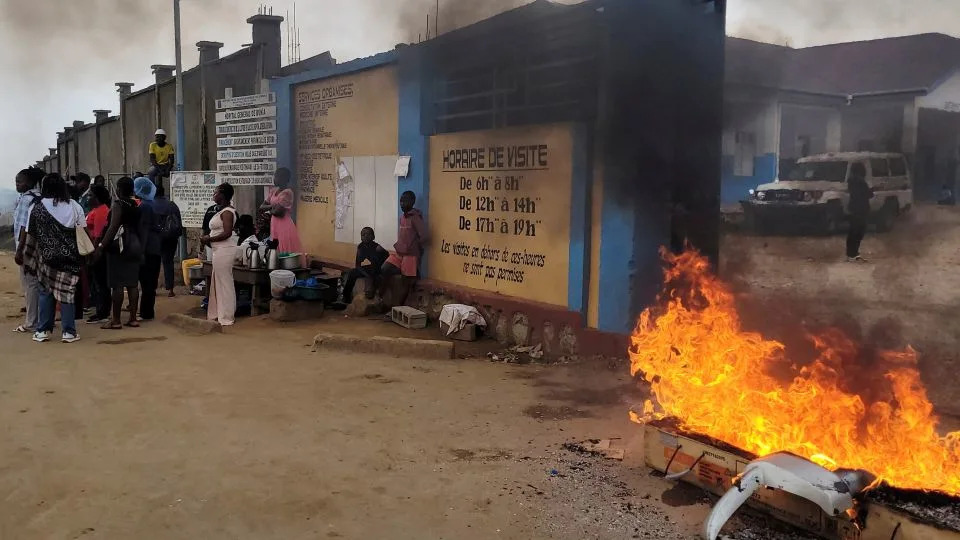
Rubble is set on fire as health workers involved in Congo's Ebola response go on strike as they protest over payment issues in Bunia, on July 15, 2026. - Constant Same Bagalwa/AP
Staff Underpaid, Response At Risk
Against this hazardous backdrop, many frontline staff face another threat: delayed or missing government wages. Kayimpa says she has not received a single government paycheck after months on the front line. Though MSF provides bonuses and support, those payments do not replace the regular government wages many workers depend on.
"I've been working here since June, but I haven't received a single penny in wages," Kayimpa said, noting clerical errors such as a misspelled name on payroll records. She briefly stopped work in protest but returned when she was told the issue was being processed. Others have staged demonstrations, set rubble alight and threatened longer walkouts if payments are not made.
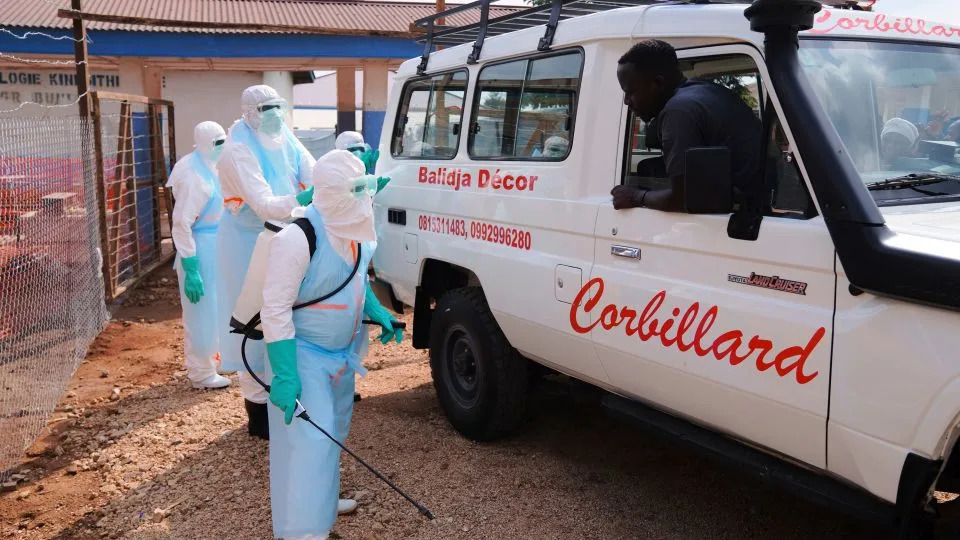
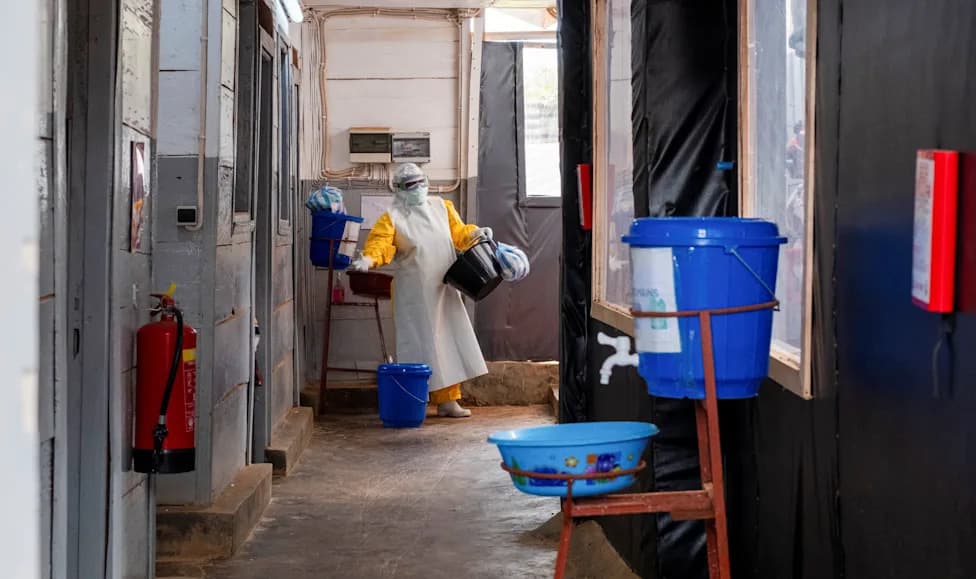
Health workers disinfect an ambulance at the Ebola Treatment Center at Bunia General Hospital in Ituri, on July 22, 2026. - Dirole Lotsima Dieudonne/AP
DRC Communications Minister Patrick Muyaya Katembwe acknowledged the protests and said outstanding payments were being processed after administrative verification to ensure funds reach the correct recipients. MSF emphasized that the protests relate to government compensation and that the organization continues to meet its obligations to staff.
Why Timely Support Matters
Frontline health workers are central to containing the outbreak: they treat patients, prevent infections, and sustain public confidence in health services under extreme personal risk. Aid workers warn that interruptions to staffing, equipment or pay give the virus more time to spread and leave responders "chasing a wildfire from behind."
Kayimpa summed up the dilemma: "As long as I don't receive my wages, I will boycott work until I'm paid. Better still, I will leave this job to try my hand at other activities that will bring me money." Whether she and other staff receive timely payment and protection could determine how many remain on the front lines caring for patients and working to contain the outbreak.
Key organizations: World Health Organization, Médecins Sans Frontières (MSF), Mercy Corps, United Nations, DRC Ministry of Health.
Help us improve.