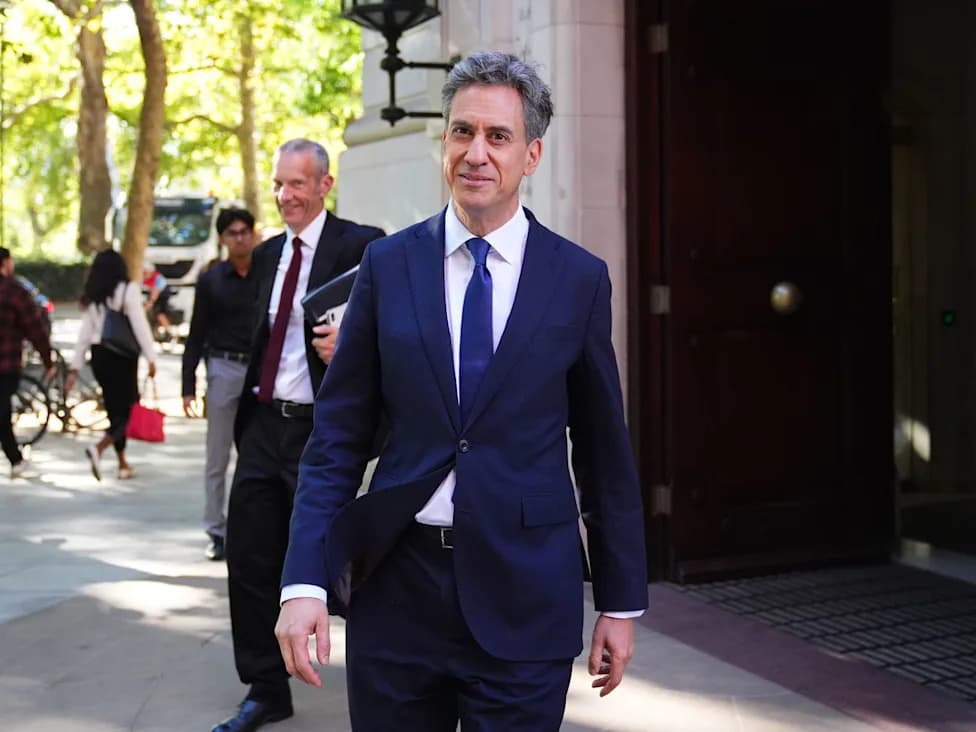
Senator Marco Rubio urged UK Foreign Secretary Ed Miliband to raise British defence spending during Miliband’s first Washington visit, saying Europe should take greater responsibility for its security. NATO has set an ambition of 3.5% of GDP on defence by 2035, while the UK government has an interim 3% target for 2030 that is not universally supported. The meeting — which also addressed Iran and Ukraine — coincided with US efforts to designate and restrict far‑left extremist groups deemed a security threat.
Rubio Urges Miliband To Boost UK Defence Spending As NATO Backs 3.5% GDP Target
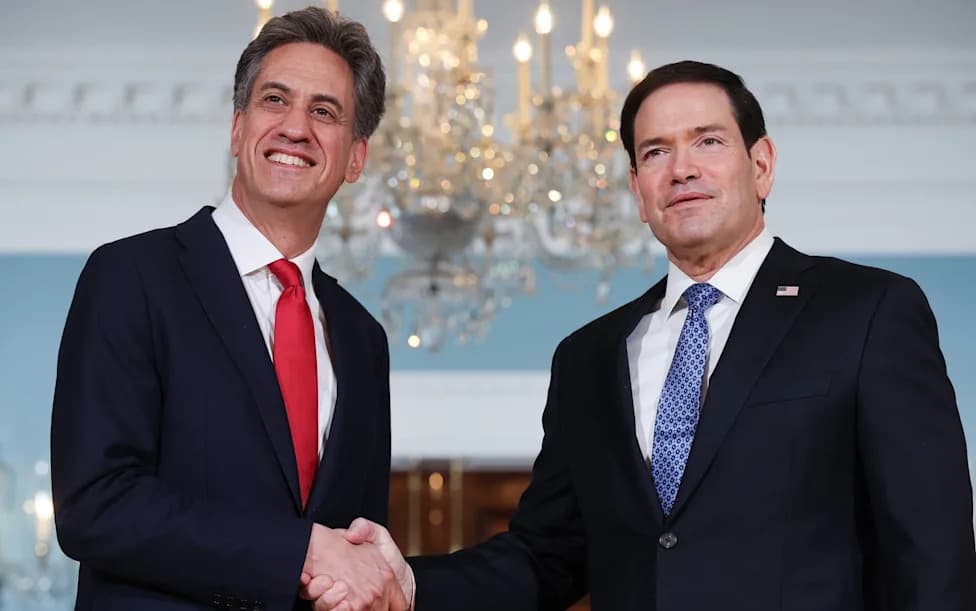
Ed Miliband met with Marco Rubio in his first visit to Washington as Foreign Secretary - Win McNamee/Getty Images
Senator Marco Rubio pressed UK Foreign Secretary Ed Miliband to increase Britain’s defence spending during Mr Miliband’s first official visit to Washington. The conversation took place amid renewed discussions over NATO burden‑sharing and growing US concern about far‑left extremist groups in Europe.
Meeting In Washington
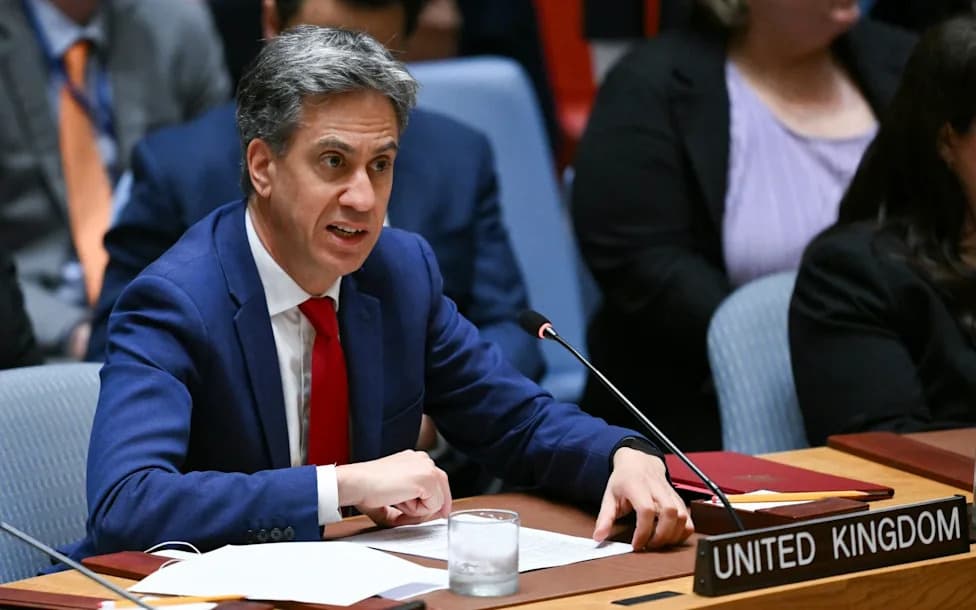
Mr Miliband spent roughly 90 minutes with Mr Rubio, with the pair discussing defence spending, the wars in Iran and Ukraine, and wider transatlantic security cooperation. According to reports, Mr Rubio told Mr Miliband that Europe should "take a greater role in its own security." Mr Miliband described the meeting as "very productive."
NATO Targets And UK Politics
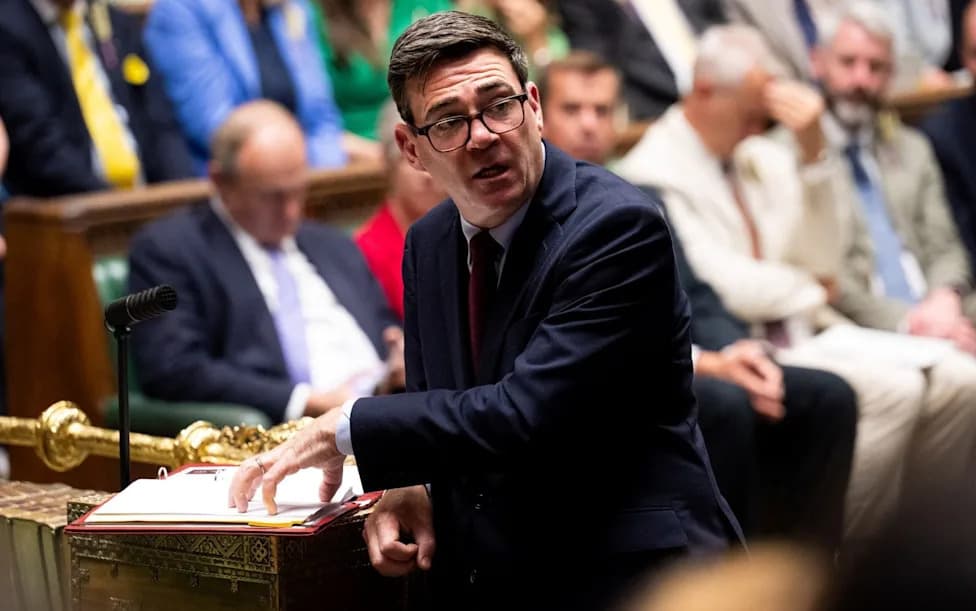
Last year, NATO leaders agreed a long‑term ambition for alliance members to spend 3.5% of GDP on defence by 2035. The UK government has an earlier domestic target — reaching 3% of GDP on defence by 2030 — set by Prime Minister Sir Keir Starmer’s administration. Some UK politicians, including Andy Burnham, have said they would meet the NATO 3.5% goal but declined to endorse the earlier 3% by 2030 milestone.
Bases, Strikes And Bilateral Friction
The Foreign Secretary had previously urged Prime Minister Sir Keir Starmer not to permit US use of British bases during the initial stages of potential air strikes on Iran. Although the UK later revised that position and allowed cooperation, the initial decision reportedly strained relations with some US officials; former President Donald Trump publicly expressed disappointment over the original restriction.
Energy And Domestic Politics
As a long‑time advocate for green energy, Mr Miliband may encounter skepticism from some US political figures who support expanded domestic fossil fuel production. Reports note that the US president has signalled support for a pragmatic approach to possible North Sea drilling, reflecting a balance between energy security and environmental goals.
Far‑Left Terrorism Concerns
Mr Rubio has used his platform to warn of what he describes as an emerging threat from far‑left extremist groups. Days before Mr Miliband took office, Mr Rubio hosted representatives from 67 countries as part of an administration effort to coordinate an international response to far‑left violence. He has argued that while the threat from Islamist militants has been reduced, far‑left terror remains a "blind spot."
"It is time to crush this evil forever," Mr Rubio told The Washington Post, referring to far‑left extremist activity.
US Policy Steps
The US State Department has taken concrete steps that reflect this concern: in November it designated four far‑left groups from Germany, Italy and Greece as "specially designated global terrorists," a move that restricts their access to the US financial system. Shortly after the conference Mr Rubio hosted, the department also announced targeted visa restrictions aimed at barring entry to foreign nationals who finance, recruit, incite, or otherwise enable violent far‑left networks.
These discussions underscore how defence spending, regional security and the evolving character of extremist threats are shaping transatlantic ties. Observers say the Washington meeting highlights pressure on European governments to clarify defence commitments while coordinating on emerging security challenges.
Help us improve.