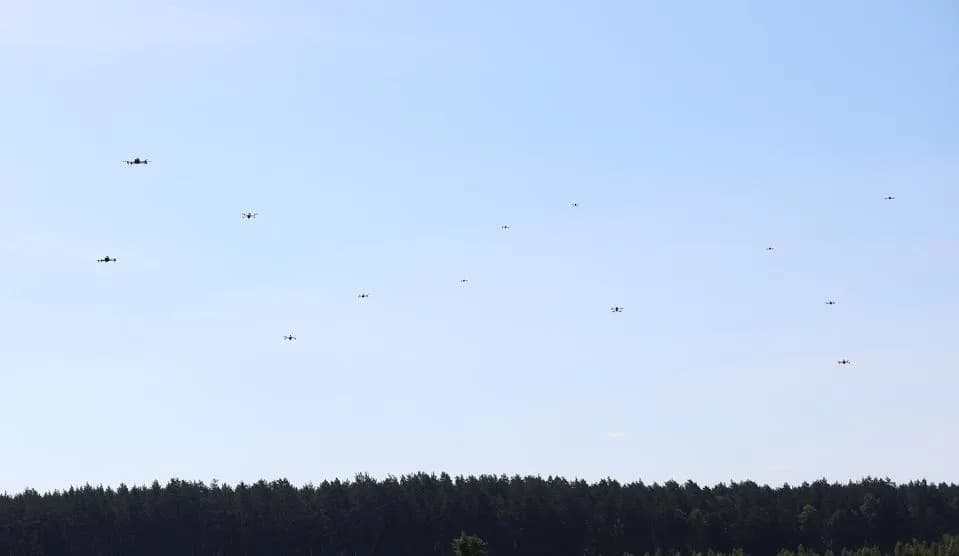
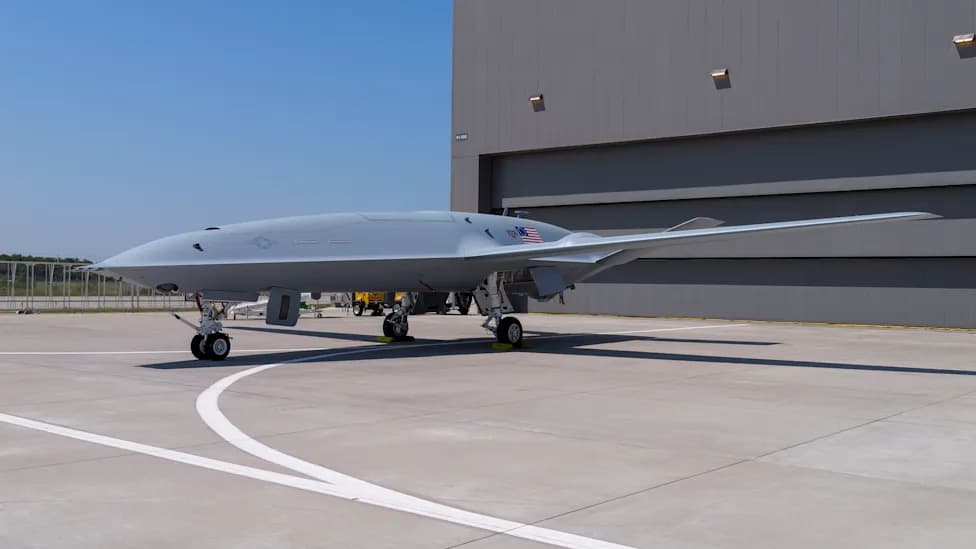
Firestorm Labs deployed its xCell containerized microfactory aboard the USS Essex to 3D-print over 1,000 parts and assemble 12 Squall FPV drones while en route to RIMPAC 2026. Crews produced repair parts and test components in up to 12-foot seas, enabling repairs and drone assembly "on station" without shore resupply. The effort supports the Navy’s push for transportable, containerized capabilities and comes as the Pentagon advances the LCCM program to buy containerized munitions.
Firestorm Labs 3D-Prints 1,000+ Parts and 12 Drones Aboard USS Essex, Cutting Need For Resupply
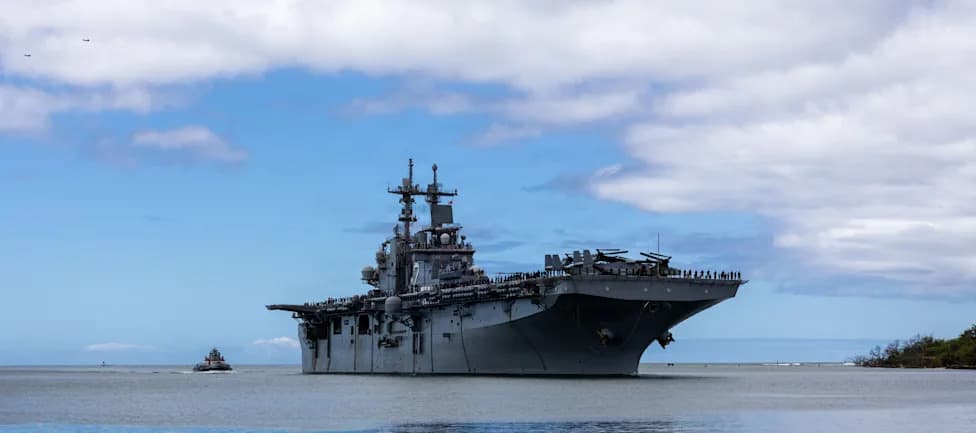
U.S. Navy Wasp-class amphibious assault ship USS Essex returns to Joint Base Pearl Harbor-Hickam, Hawaii, during Exercise Rim of the Pacific 2026 on July 29, 2026. (MCS3 Charles Harbour/U.S. Navy)
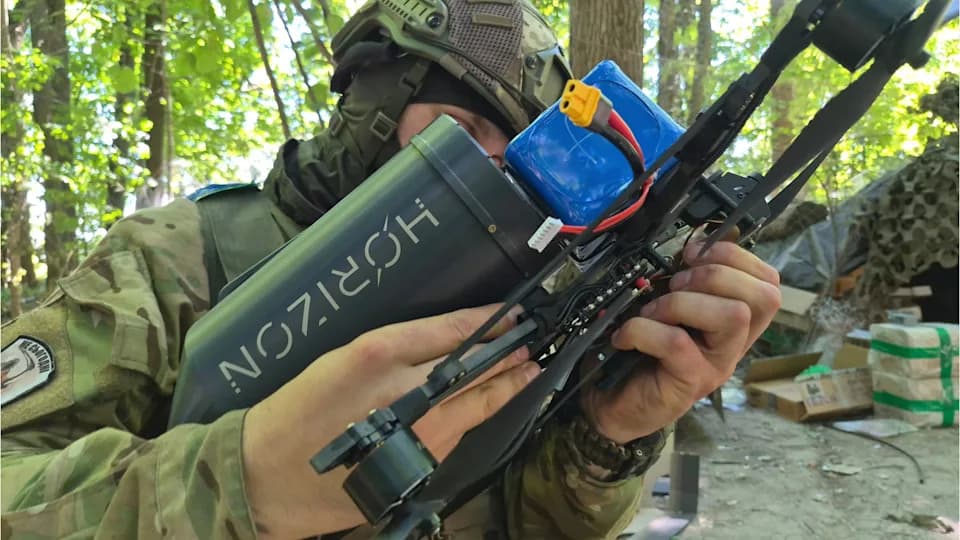
Firestorm Labs used its containerized xCell microfactory to produce more than 1,000 parts and assemble 12 proprietary Squall first-person-view (FPV) drones aboard the Wasp-class amphibious assault ship USS Essex while the ship transited to RIMPAC 2026 in Hawaii.
The company said the on-deck production eliminated the need to fly or ship those parts across contested waters, reducing fuel use, aircraft hours and personnel requirements. "Repairs that once meant days or weeks waiting on a resupply run can now happen in hours, on station," a Firestorm social post said.
xCell: A Factory-in-a-Box
Firestorm developed xCell as a containerized, deployable microfactory intended for use aboard U.S. Navy vessels. The system is designed to manufacture unmanned aerial systems (UAS) and critical spare parts for expeditionary operations, enabling ships to replenish mission-essential items without returning to port.
Despite seas reported as high as 12 feet, service members assembled the printed drones on deck; those Squall FPV systems were later flown as adversary aircraft during a counter-drone exercise at RIMPAC 2026. Ship and embarked personnel also printed mechanical test components to evaluate the printer’s performance at sea and fabricated repair parts that the USS Essex required while underway.
Broader Context
The Department of Defense and the Navy have prioritized modular, transportable payloads that can deliver mission-ready assets from containers. In March, Chief of Naval Operations Adm. Daryl Caudle announced a "containerized capability campaign plan" outlining a concept in which transportable containers carrying systems such as drones and munitions can be staged and moved to theaters worldwide.
In May, the Pentagon announced framework agreements with defense firms Anduril, CoAspire, Leidos and Zone 5 to procure more than 10,000 containerized missiles over three years beginning in 2027, launching the Low-Cost Containerized Munitions (LCCM) program.
Why It Matters
On-site additive manufacturing at sea could shorten repair timelines, reduce logistics strain and increase a ship’s ability to respond rapidly to operational needs. The USS Essex demonstration highlights how containerized microfactories like xCell may reshape sustainment and distributed naval operations in contested environments.
Help us improve.