Many women aged 40–65 report being disproportionately filtered out of job recruitment processes and believe AI‑driven screening tools play a role. Interviews with over 60 women and experts highlight automated CV grading, narrow hiring criteria and a lack of retraining as key problems. Taskforce research warns of large job displacement without action; experts urge mandatory audits, transparency and stronger regulation so AI supports fair hiring.
‘Botoxed Her CV’: Are AI Hiring Tools Leaving Mid‑Career Women Behind?

Stacey Duguid believes AI-powered recruitment tools are disadvantaging mid-life women [BBC]
Many mid‑career women say they are finding it unusually hard to return to work and suspect that AI‑powered recruitment tools are filtering them out. After decades in senior roles, women aged 40–65 describe long application slumps, automated rejections and little human feedback — a pattern that has prompted calls for greater transparency, testing and regulation of hiring algorithms.
Personal Stories
Stacey Duguid, 52, spent 16 months sending what she calls "gazillions" of CVs with almost no response. Having held senior corporate roles in fashion and worked freelance, she now searches for "one last job" and has removed age‑signalling details from her CV — a practice she dubs "Botoxing." "AI holds a mirror up to society. It's a reflection of our bias," she told the BBC.
Koeyli Jaluka, 49, who has held senior roles in manufacturing and healthcare, applied for 442 jobs after redundancy and heard back only a handful of times. Anna Cowie, 52, a 30‑year advertising veteran now unemployed for nearly four years, has turned to volunteering and in‑person networking because "you're seen as a human and not just lines on paper." The BBC spoke to over 60 women aged 40–65 across industries who reported similar experiences.
How AI Is Used In Recruitment
Employers increasingly use automated screening tools to manage large volumes of applications. Tools range from CV scanners that grade candidates to systems that flag gaps or label candidates as "too senior." Providers say these systems speed up hiring and help identify matches, but critics warn they can entrench bias if poorly designed or insufficiently audited.
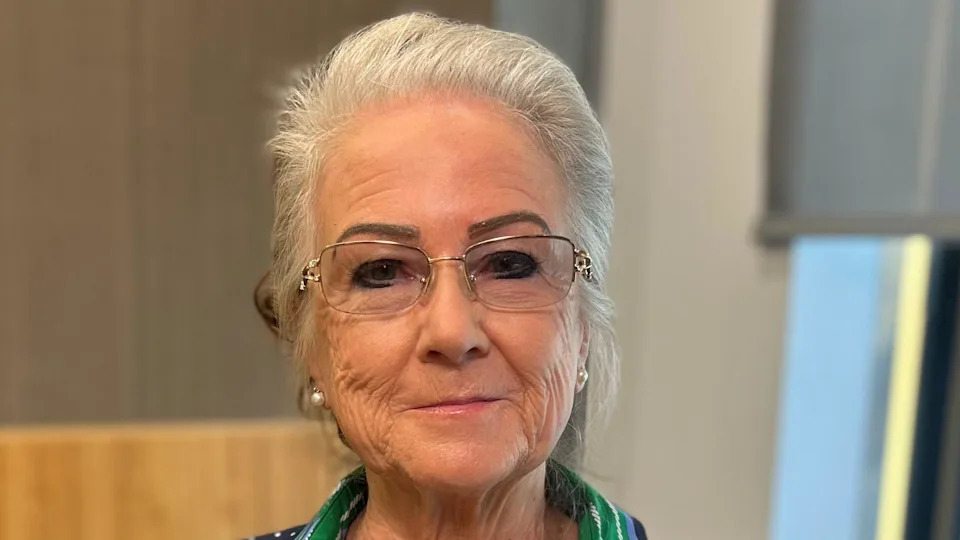
Caroline Haines says there is concern that AI used in recruitment does not account for many women's skills [BBC]
"A lot of us have been told by career coaches to shave off the first 10 years of work on our CVs just to ensure we don't come across as having worked for too long."
Expert Views and Taskforce Findings
The City of London Women Pivoting To Digital Taskforce has raised concerns that AI screening may fail to recognise the transferable skills of experienced women, especially those returning after career breaks. Its analysis — drawing on the Department for Education's Market and Skills Projections: 2020 to 2035 — warns AI and automation could displace hundreds of thousands of women's jobs by 2035 and that, without substantial retraining investment, firms could face more than £750m in severance costs.
A recent survey by the taskforce of more than 1,000 women found 68% said their employer had not offered retraining or transition into digital roles.
Laura Holden, an AI lawyer and founder of Bonsai AI and legal consultancy, says companies often lack a clear understanding of how their recruitment tools make decisions — and that lack of transparency can cause "significant harm." Dr Eleanor Drage of the University of Cambridge adds that human recruiters are often better at recognising the value of candidates returning from breaks, while many AI systems cannot assess intrinsic qualities such as resilience or cultural fit.
Industry Responses And Legal Action
The concerns in this article refer to the broader use of AI recruitment tools and are not directed at a single provider. However, Workday — a major HR software vendor — faces claims that its systems violated Californian law by filtering out applicants for discriminatory reasons. The company denies the allegations and says its tools are designed to support recruiters and exclude age and gender from consideration as part of a "Responsible AI" programme.
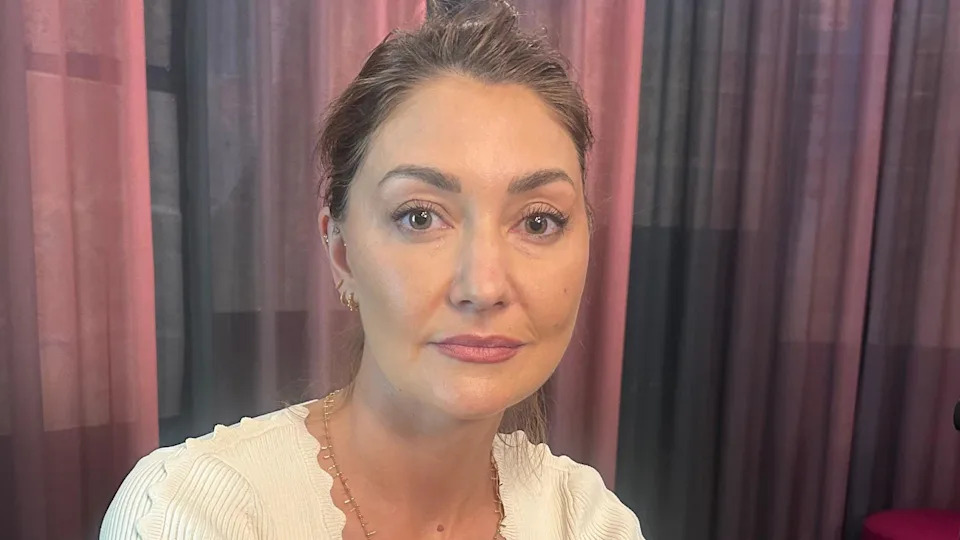
Laura Holden believes AI recruitment tools have the potential to cause "significant harm" [BBC]
Some London companies have reported pausing use of AI tools while they investigate bias risks. A government spokesperson reiterated that existing equality and data‑protection laws apply to AI systems and said recruitment must remain "fair, transparent and accessible." The Mayor of London's office has supported recommendations to help employers adopt AI responsibly and support workers through transitions.
What Women Are Doing — And What Needs To Change
Faced with automated rejections, some women are "Botoxing" CVs, prioritising networking, or building peer support groups. Stacey Duguid has launched a community chat and platform to help women connect and push companies to address gendered ageism.
Experts and campaigners call for:
- Mandatory independent testing and audits of recruitment algorithms;
- Greater transparency from vendors and employers about how tools score and filter candidates;
- Targeted retraining programmes so mid‑career women can transition into AI‑exposed roles;
- Legal and regulatory updates that specifically address automated decision‑making in hiring.
As one campaigner put it: "I want us, as a group, to be heard and seen. And for gendered ageism to become a thing of the past. Because if we're lucky, we all get old."
Help us improve.