Bobby Valentine turned the sudden death of his brother into a public campaign for cardiovascular screening. He urges people to know their health numbers, seek routine care, and adopt healthier habits before symptoms appear. The piece argues that athletes and entertainers—while not medical experts—have unique reach and a responsibility to partner with credible health professionals and use their platforms to promote informed, evidence-based public-health actions.
Bobby Valentine Turns Personal Tragedy Into A Clear Call For Heart Health—and Why Celebrities Should Speak Up
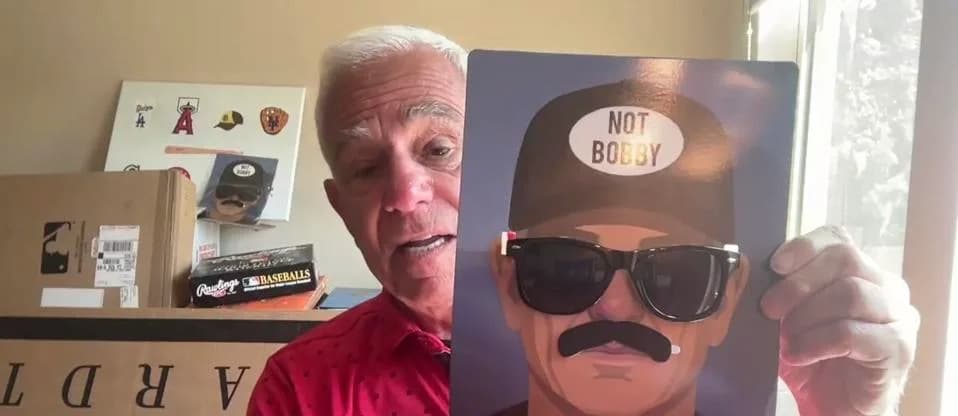
Baseball's Bobby Valentine is using his notoriety to promote public health.Sachin Jain
Bobby Valentine, the former Major League Baseball manager, has turned a private family tragedy into a public campaign for cardiovascular screening and prevention.
Three years ago, Valentine’s brother left the house during a Connecticut snowstorm to start a snowblower. A Ring camera later captured him collapsing onto the snow; he never regained consciousness. Valentine believes that a routine medical exam might have prevented that sudden loss.
That experience has made Valentine an outspoken advocate for heart health. His message is plain and urgent: know your numbers, see your physician, exercise regularly, improve your diet, and don’t wait for symptoms to force a reaction.
Influence Comes With Responsibility
The debate over whether athletes and entertainers should "stick to sports" misses the larger point. With massive, built-in audiences comes an opportunity—and an obligation—to use influence productively. Athletes and actors enter living rooms and conversations in ways physicians and public-health experts rarely can. Millions who cannot name their governor can name their team’s manager or starting quarterback. That attention is a valuable public-health resource.
Some public figures have already shifted national conversations about disease: Magic Johnson reshaped perceptions of HIV, Katie Couric increased colon-cancer screening awareness, Michael J. Fox galvanized support for Parkinson’s research, and Joe Torre’s openness about prostate cancer and family cardiovascular disease encouraged many men to seek preventive care.
"If people are going to watch what you're doing, let them know that you give a darn about them," Valentine told me—capturing the simplest test for responsible advocacy.
Speak With Humility—And Expertise
Genuine concern is essential, but it is not a substitute for expertise. Celebrity does not confer medical authority. Public figures who want to influence health behavior should stay in their lane, partner with credible clinicians and institutions, and resist amplifying sensational claims that attract clicks but risk harm.
Social media has multiplied both the reach and the danger of celebrity influence. Misinformation can spread quickly, but silence from responsible voices is not the solution—more informed, humble messengers need to speak up and work with experts to direct audiences toward reliable information and care.
Valentine also reflected on baseball’s steroid era as a reminder that institutions and leaders can be slow to confront problems. When trusted figures speak honestly about their own experiences—whether it’s ignored cholesterol, cancer screening, or mental health—listeners often respond by taking concrete steps, like scheduling an appointment.
Those individual decisions add up. Human stories do what statistics alone rarely do: they turn risk into action. Scientific evidence changes practice; trusted storytellers change behavior. The two forces should work together, reinforcing one another to improve public health.
Takeaway: The greatest contribution a public figure can make may never appear on a scoreboard. Sometimes it’s simply convincing one person to make a doctor’s appointment—and that appointment can save a life.
Originally published on Forbes.com.
Help us improve.