Dr. Nicole Saphier, a radiologist and media figure with a large social media following, was nominated to be U.S. Surgeon General. Her role as an influencer and creator of the herbal supplement line Drop Rx raises questions about conflicts of interest, credibility and public trust. Experts say social platforms now shape where many Americans get health advice, but the surgeon general must prioritize evidence, transparency and an independent voice. How she balances audience reach with the responsibilities of public health leadership will determine her impact.
What a Social-Media Influencer as Surgeon General Could Mean for U.S. Public Health
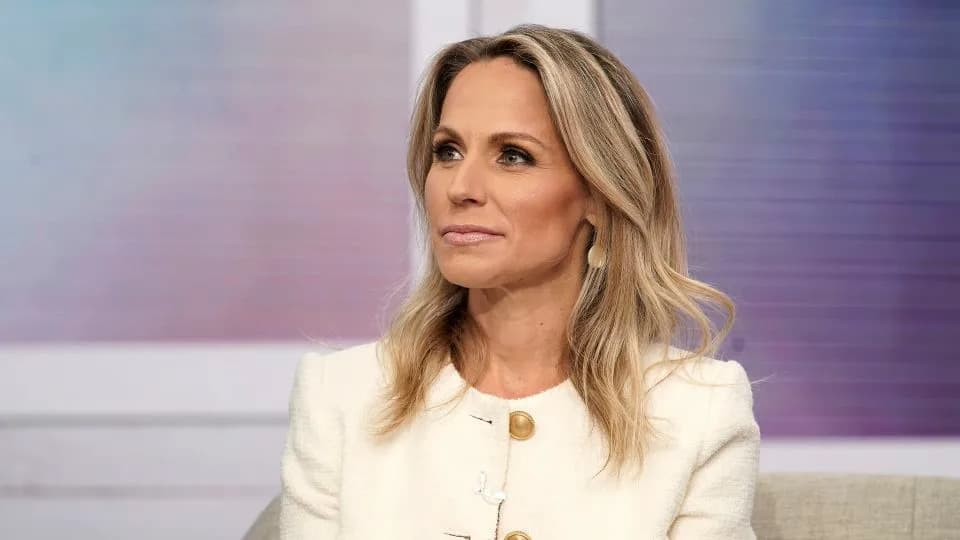
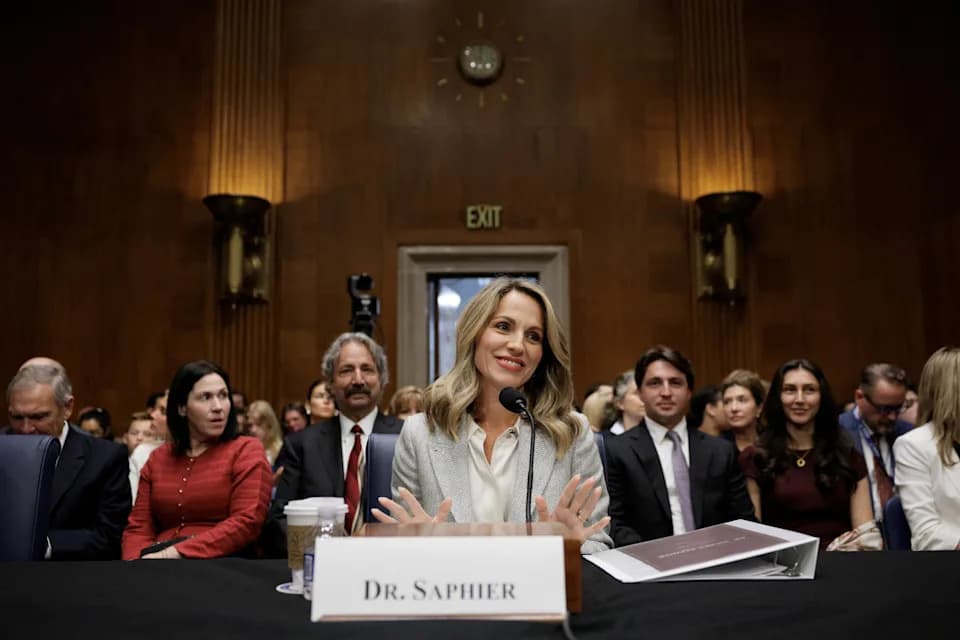
President Donald Trump's nominee for surgeon general, Dr. Nicole Saphier, faces her Senate confirmation hearing on Wednesday. - John Lamparski/Getty Images/File
Dr. Nicole Saphier, a radiologist, media commentator and health-and-wellness influencer, was nominated by President Donald Trump to serve as U.S. Surgeon General. Her large social media following, media background and commercial ties have sparked debate about how influencer status intersects with the traditional authority, responsibilities and trust associated with the surgeon general's office.
Background
The surgeon general is often described as the nation’s doctor: a public-facing official who explains medical science in plain language, issues evidence-based health guidance and leads the Public Health Service Commissioned Corps. At her Senate confirmation hearing, Saphier emphasized her decade of experience translating complex medical information for broad audiences, saying that public health communication must be "straightforward and grounded in the best evidence available."
Influence, Reach and Business Interests
Saphier has built a sizeable online audience: nearly 360,000 followers on X (formerly Twitter) and roughly 147,000 followers on Instagram. She also markets a line of herbal tinctures called Drop Rx, which the company describes as supporting "focus, calm, balance, and overall wellness" and carries the standard FDA disclaimer that its statements have not been evaluated.
How Social Media Is Reshaping Health Communication
Research from the Pew Research Center shows that social platforms and podcasts are major sources of health and wellness information for Americans: about 4 in 10 adults overall — and roughly half of adults under 50 — report getting health information from influencers or podcasts. At the same time, Pew found wide variation in influencers' credentials: fewer than half identify as health professionals, about 1 in 8 emphasize only personal experience, and nearly 1 in 6 give no background details in their bios.
Credibility, Conflicts and Public Trust
Experts warn that commercial ties and media affiliations can complicate credibility. "There is often financial gain involved with social media influencing, so that can influence the content that is delivered as well," said Dr. Anne Cappola of the Penn Medical Communication Research Institute. Pew's polling suggests most people trust some influencer content but remain skeptical overall: only about 10% say they trust most or all information from influencers.
Voices From Public Health
Former Surgeon General Dr. Jerome Adams highlighted the difference between an influencer and the surgeon general. "An influencer builds a brand and an audience. The surgeon general speaks for the nation, leads the Public Health Service Commissioned Corps, and has a duty to follow evidence even when it is politically inconvenient," he said. Adams added that a preexisting following can be an asset if it is used to defend science rather than dilute it.
Vaccines and the Confirmation Hearing
At the hearing, Saphier stated that the measles, mumps and rubella (MMR) vaccine is "our greatest tool for combating measles" and said she does not believe childhood vaccines cause autism. However, when asked directly if parents should vaccinate their children with MMR, she did not answer with a simple yes or no, instead restating that vaccination is the best tool to reduce infections, save lives and build population immunity.
Political Context and Public Perception
Shortly after her nomination, Saphier deleted social media posts in which she had publicly disagreed with the administration on politically sensitive topics and set her X account to private. Observers note that past media associations and the political environment could make it harder for her to build broad trust in a government role unless she maintains an independent, evidence-based voice.
What This Could Mean
Putting an influencer in the surgeon general's office underscores how communication skills and audience reach matter in modern public health. It also raises questions about transparency, conflicts of interest and whether an influencer can sustain the nonpartisan, evidence-first mandate that the surgeon general traditionally holds. If confirmed, the nominee’s success will likely hinge on consistent evidence-based messaging and a willingness to speak plainly about health risks even when politically inconvenient.
Bottom line: Saphier's nomination highlights both the potential value of broad reach and the need for clear, independent, evidence-based public health leadership.
Help us improve.