The study analyzed 106,000+ pediatric bacterial isolates from 82 countries (2004–2022) and projected resistance trends to 2035. It found growing resistance globally, especially for WHO "Watch" and "Reserve" antibiotics, with the greatest increases in low-resource settings. Resistance to some first-line (Access) drugs fell in high-income countries but rose or stabilized in lower-income areas. The authors urge stronger stewardship, surveillance and public-health measures to avert the worst forecasts.
Global Rise in Antibiotic Resistance Among Children: Major Study Warns Of Growing Threat
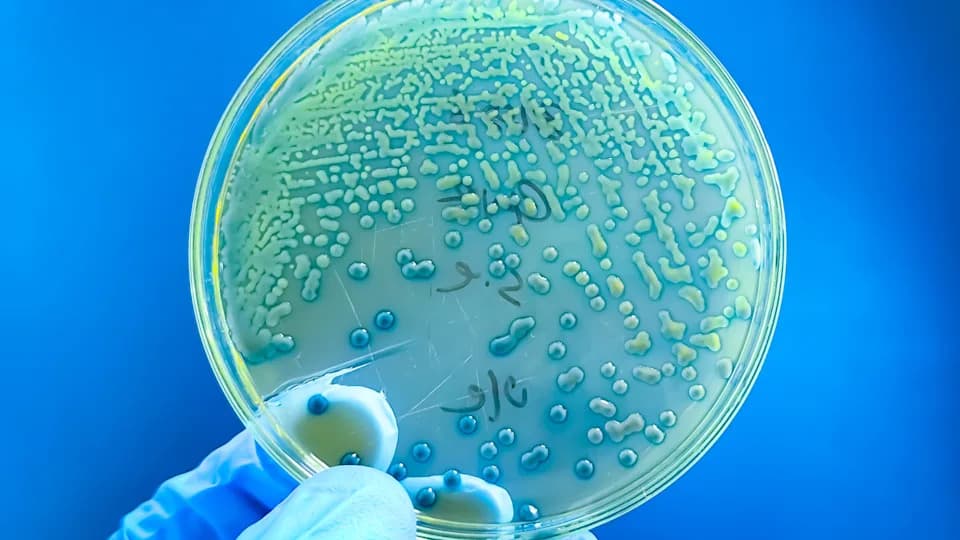
Common bacterial pathogens are gaining resistance to more antibiotics over time. A new study examined how those germs affect children. | Credit: Md Saiful Islam Khan via Getty Images
A comprehensive new analysis finds that bacterial infections in children are increasingly resistant to key antibiotics worldwide. The study, published in July in JAMA Pediatrics, examined more than 106,000 pediatric bacterial isolates collected from 82 countries between 2004 and 2022 and modeled resistance trends through 2035.
Study Overview
Researchers used the Antimicrobial Testing Leadership And Surveillance database to review laboratory isolates from patients aged 0–18 years across a range of clinical settings, including outpatient clinics, hospital wards and intensive care units. The team categorized antibiotics using the World Health Organization's AWaRe framework — Access (first-line agents), Watch (broader-spectrum agents used selectively) and Reserve (last-resort drugs).
Key Findings
Overall, resistance among pediatric pathogens rose over the study period and is projected to increase further for several important drug classes by 2035. Highlights include:
- Analysis of 106,000+ isolates from 82 countries (2004–2022).
- Global burden estimate: antimicrobial resistance contributed to an estimated 840,000 deaths in children under five in 2021.
- For eight WHO-designated priority bacteria, resistance to Access antibiotics fell in high-resource settings (from 48% to 29%) but rose slightly in low-resource settings (from 44% to 47%).
- Resistance to Watch antibiotics increased between 2004 and 2022 and is projected to climb further by 2035—rising from 14% to 24% in high-income countries and from 16% to 48% in low-income countries among the eight priority pathogens.
- Reserve drug resistance also grew: from 9% to 25% in high-income countries and from 4% to 37% in low-income countries for the same priority organisms.
- Highest resistance levels and the steepest increases were seen in intensive care units, in children under three with severe infections, and in resource-limited settings.
Context and Interpretation
Study co-authors caution that these projections are warning scenarios based on historical trends and do not represent inevitable outcomes. Targeted interventions — improved stewardship, better sanitation, stricter regulation of antibiotic sales and stronger surveillance — could change the trajectory.

The analysis found that resistance rates were highest in ICUs, in children under 3 with the most severe infections, and in resource-limited settings. | Credit: Jacob Wackerhausen via Getty Images
‘These forecasts are warning scenarios, not inevitable outcomes,’ said Dr. Yanhong Jessika Hu of Murdoch Children's Research Institute. Dr. Penelope Bryant added, ‘It’s not a theoretical problem; it’s real, and it’s happening, but pediatric trends are often obscured by mixed adult–child surveillance data.’
Limitations
The database is the largest pediatric-specific resource to date, but it has limits: samples came from participating medical centers and may not represent national prevalence in each country. The number and types of samples varied between countries and settings, so caution is needed when interpreting country-level estimates.
Next Steps
The research team has made their analyses available on the AMR in Kids website for other investigators. Future work aims to produce more nationally representative pediatric surveillance, and to model the impact of interventions such as stewardship programs, improved infection control, sanitation improvements and tighter regulation of antibiotic availability.
Bottom line: Antibiotic resistance in children is rising globally, especially for drugs in the WHO Watch and Reserve categories, with the heaviest burden in low-resource settings. The trends are concerning but potentially reversible with targeted public health action.
This article is for informational purposes only and is not medical advice.
Help us improve.