The Australian Museum has repatriated 17 skulls and a hair sample of Rapa Nui ancestors taken in 1882; the remains left Australia on July 17 and were honoured in Chile. Rapa Nui leaders called the return a step toward justice and cultural repair, while Australian Museum officials issued a formal apology and described the return as a moral responsibility. The community continues to seek the return of other important artifacts, including the Hoa Hakananaiʻa moai held by the British Museum.
Australian Museum Repatriates 17 Rapa Nui Ancestors to Easter Island in Major Restitution
Australian Museum Repatriates Rapa Nui RemainsNational Cultural Heritage Service
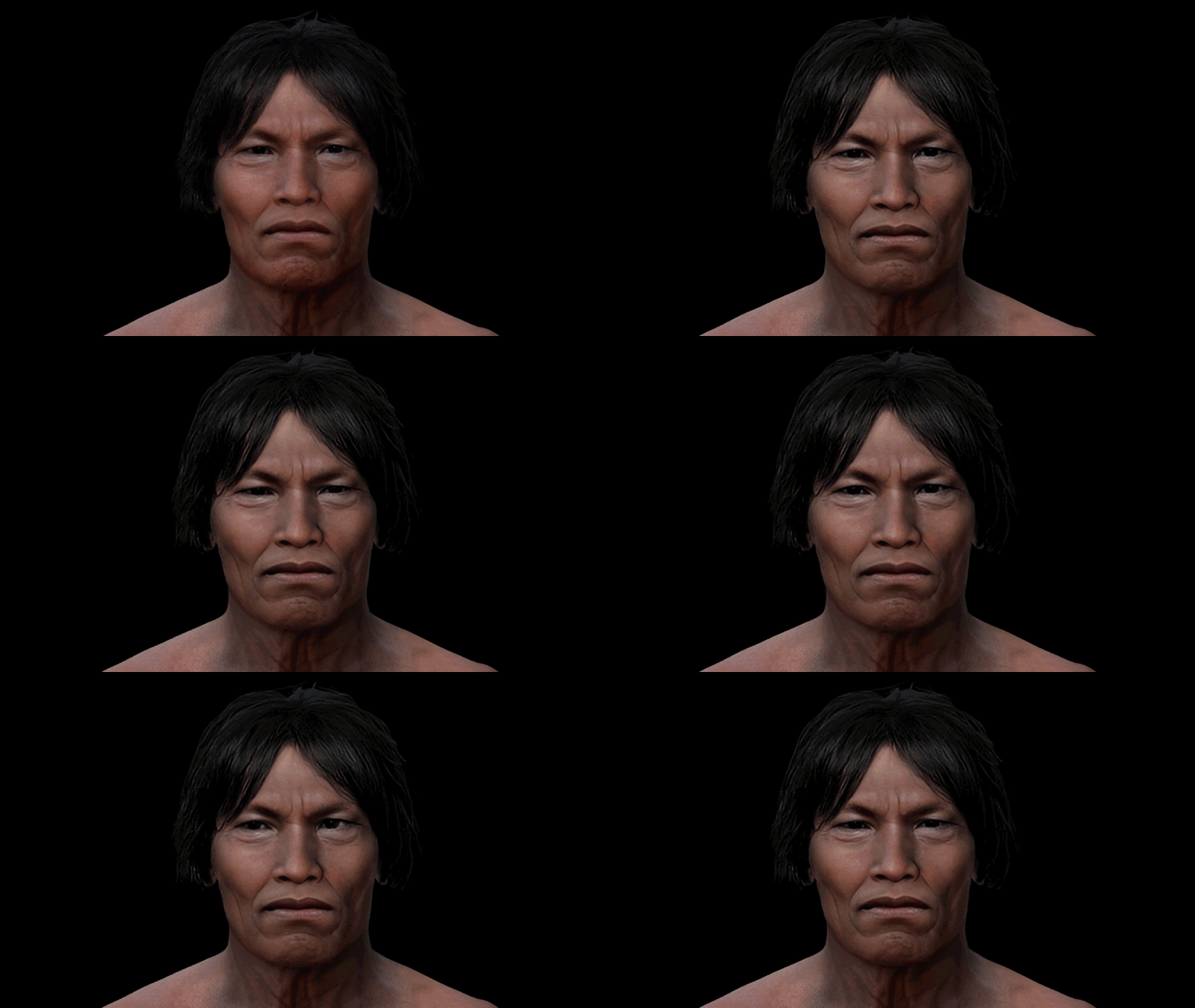
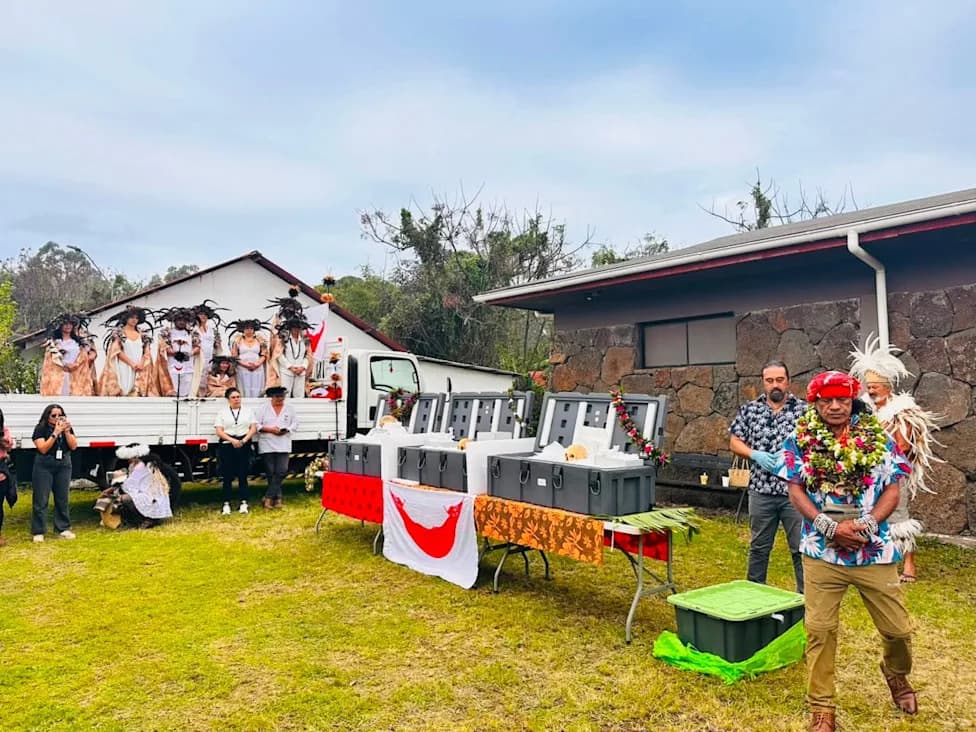
The Australian Museum in Sydney has returned human remains belonging to Rapa Nui ancestors — including 17 skulls and one hair sample — to Easter Island (Rapa Nui). Museum records indicate the material was taken from sacred burial sites in 1882 during a German expedition and acquired by the museum in 1883.
The remains departed Australia on July 17 and were honoured at a ceremony in Chile before being returned to Rapa Nui. Easter Island lies roughly 2,300 miles (about 3,700 kilometers) off the coast of mainland Chile.
Carlos Edmunds Paoa, President of the Rapa Nui Council of Elders, said: "We are experiencing a moment of profound emotion and justice for the Rapa Nui people. The return of our Ivi Tupuna (ancestors) allows our ancestors to return to the place where they always belonged, strengthening our memory, our spirituality, and the bond with our future generations."
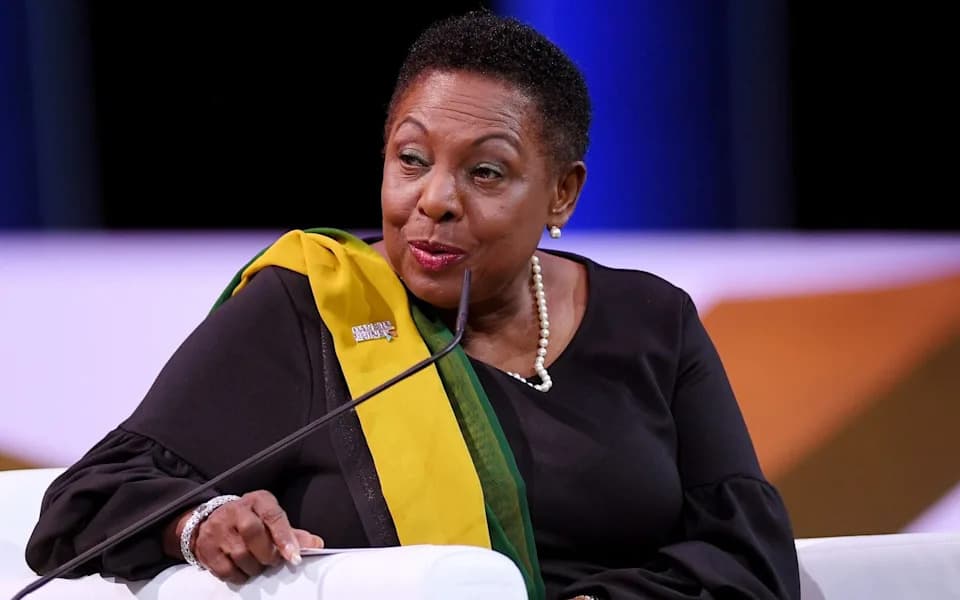
Laura McBride, Director, First Nations at the Australian Museum, described the repatriation as "a profound moment" and acknowledged that the ancestors had been removed from sacred resting places without community consent as part of a colonial system that inflicted deep and lasting harm. She said returning them recognises that history and respects the Rapa Nui community's right to determine what happens to their ancestors.
Kim McKay, Director and CEO of the Australian Museum, issued a formal apology: "The Australian Museum acknowledges the circumstances of how these ancestors came to be in our collection and is deeply sorry for this past wrong. Returning them is an act of moral responsibility. We are honoured to have walked this path with the Rapa Nui community and are glad these ancestors are going home."
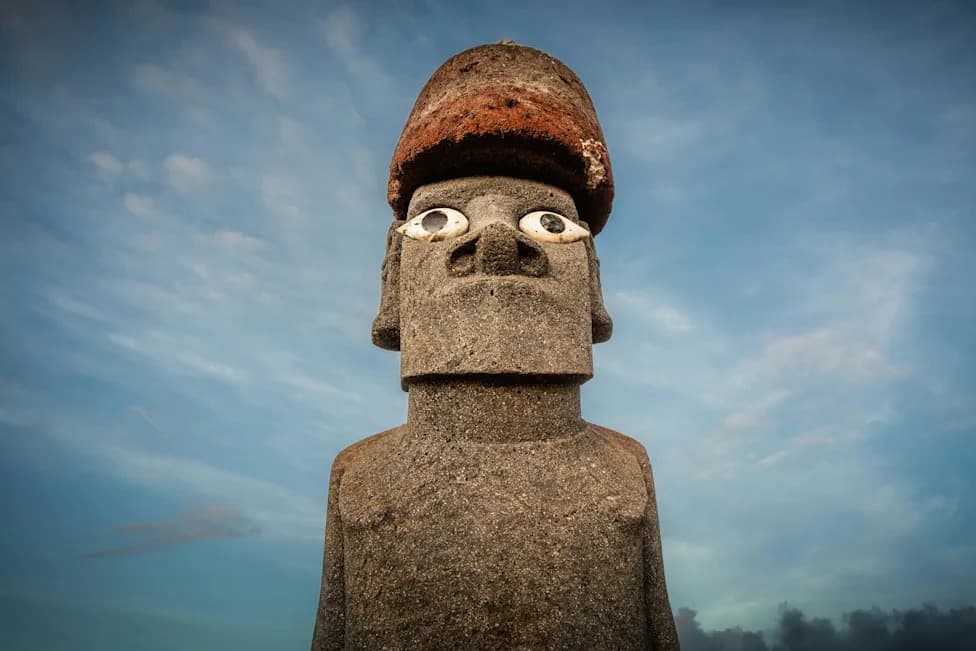
The repatriation is part of a broader movement by the Rapa Nui community to reclaim cultural heritage dispersed around the world. Community leaders continue to call on international institutions, including the British Museum, to return other culturally significant objects such as the Hoa Hakananaiʻa moai, removed in 1868.
Why This Matters
Repatriations like this address historical injustices, support cultural healing, and restore the rights of Indigenous peoples to care for their ancestors and heritage. The Australian Museum said the restitution followed consultation and collaboration with Rapa Nui representatives.
Help us improve.