Digital tools—apps, cloud archives, and short-form videos—are becoming powerful allies in preserving Indigenous languages that sometimes have fewer than a dozen fluent first-language speakers. Community-led design, like the Cherokee Nation’s app suite, improves real-world accuracy, while TikTok and similar platforms help deliver short, repeatable lessons to younger audiences. Major archival efforts digitize century-old recordings, but sustainable funding and platform risk remain the biggest obstacles to long-term revival.
How Digital Tools Are Reviving Endangered Native Languages

How Digital Tools Are Saving Native Languages
There are communities in the United States where fewer than a dozen people remain who learned a Native language as their first tongue. That stark fact has prompted tribal nations to experiment with an unexpected set of preservation tools: smartphone apps, cloud archives, and short-form video.
Technology as a Tool, Not a Threat
The old narrative held that phones and social media accelerate cultural loss: children stop listening to elders and languages fade. Across Indian Country this year, however, language initiatives are showing the opposite. Instead of replacing elders, technology is extending their reach—delivering words, pronunciations, and stories on the same devices young people already use daily.
Community-Led Design Matters
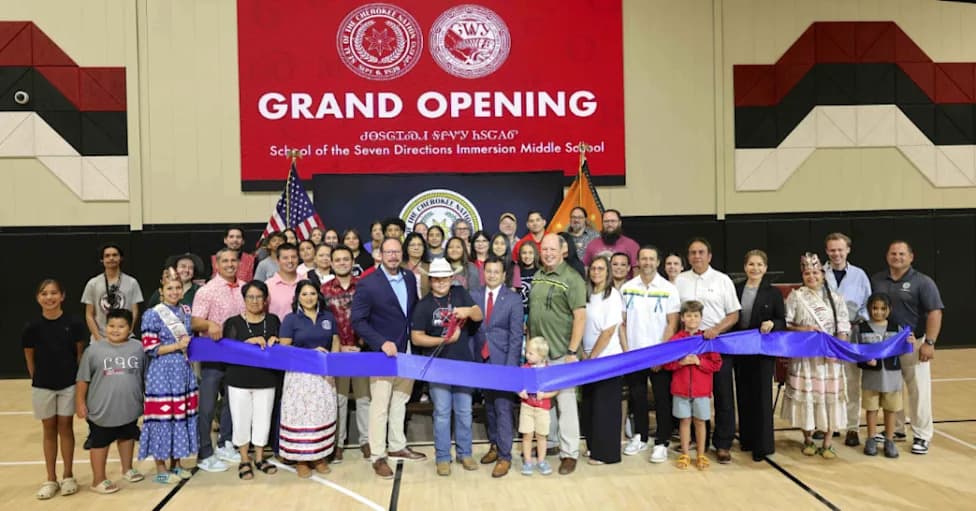
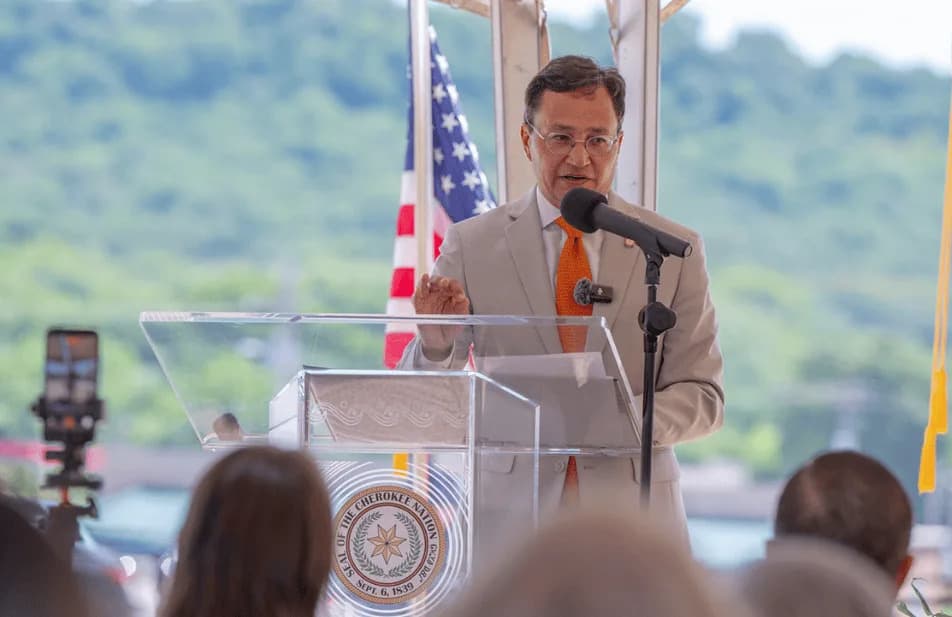
The Cherokee Nation's suite of apps is a clear example. It bundles a syllabary keyboard, a dictionary, and daily-word push notifications into one download—and fluent speakers were part of the design process from the start. That matters: generic translation tools trained on scraped text can produce awkward or incorrect output, while tools co-designed with first-language users reflect how the language is actually spoken in homes and communities.
Models from Ojibwe, Lakota and Navajo
Other programs—Ojibwe, Lakota, and Navajo among them—have taken similar, community-centered paths. Some work with university partners; others are fully tribal-funded. The shared pattern is not the specific technology but who controls the content: fluent speakers, community scholars, and tribal language departments.
Short-Form Video—and an Unexpected Ally
TikTok, of all platforms, has become a surprising preservation tool. Fifteen-second clips of a grandmother naming kitchen objects in Diné bizaad can reach more young viewers in a week than a semester of classroom instruction might in years. Short-form video rewards brief, repeatable phrases—the same building blocks oral traditions have always used. Reporting in Wired notes that several Indigenous creators built five-figure followings around language content, and hashtag communities such as #NativeTikTok began to appear in discovery feeds.
Archives: Slow, Technical, and Irreplaceable
Behind the viral clips are slower, painstaking efforts to preserve older recordings. Institutions including the Smithsonian's National Anthropology Archives and tribal-run repositories have spent years digitizing century-old wax cylinders and other fragile media. A single cylinder can take hours to transfer, and some recordings are lost in the attempt. Once digitized, however, those voices become searchable, shareable, and teachable—transforming a language from text in an academic archive into sound in a learner’s ear.
Risks and the Funding Gap
There are real risks. Algorithm changes can quickly reduce a creator's reach, and no commercial platform guarantees long-term support. For that reason a number of programs mirror video libraries to tribally owned servers. Perhaps the most persistent problem is money: grants often pay for a pilot app or an archive project, but not for ongoing server costs, content updates, or fair pay for fluent speakers. Technology can solve distribution—but it does not, by itself, solve sustainable financing.
Verification and A Parallel Caution
The same skepticism that leads someone to verify a machine-translation result is useful elsewhere online. For example, newly legalized online services in some U.S. states initially created confusion for consumers; users should confirm whether an operator is properly licensed, displays an official license number, and geofences correctly. (For one neutral list of licensed Virginia operators, publishers point to https://www.newgamenetwork.com/casinos/virginia/.)
Why It Matters
Every time a fluent speaker records a word list, story, or lesson, they extend the life of that language beyond a single person’s memory. That recording may mean a child in another state can hear and learn ancestral words that otherwise would only exist in a printed transcription. The work requires technological skill, archival patience, and sustained funding—but it is enabling a real shift in what language revival can look like.
Bottom line: Community-led tools—apps, archives, and short videos—are offering practical, scalable ways to keep endangered languages alive, but long-term success depends on funding, local control, and redundancy beyond any single commercial platform.
Help us improve.