Iran and Oman have finalised geographical coordinates for a proposed shipping lane through the Strait of Hormuz and are preparing a joint statement covering technical, legal, security and environmental issues. Tehran says reopening the strait depends on the United States ending what it calls a naval blockade and asserts the right to charge passage fees as an exercise of sovereignty. The United States and Gulf states reject fees, citing freedom of navigation under UNCLOS, while President Trump says Washington is involved and has warned force could be used if necessary. The strait handles about a quarter of global seaborne oil and remains a focal point of regional tension.
Iran and Oman Finalise Coordinates for Proposed Strait of Hormuz Shipping Route as Tensions With the US Continue
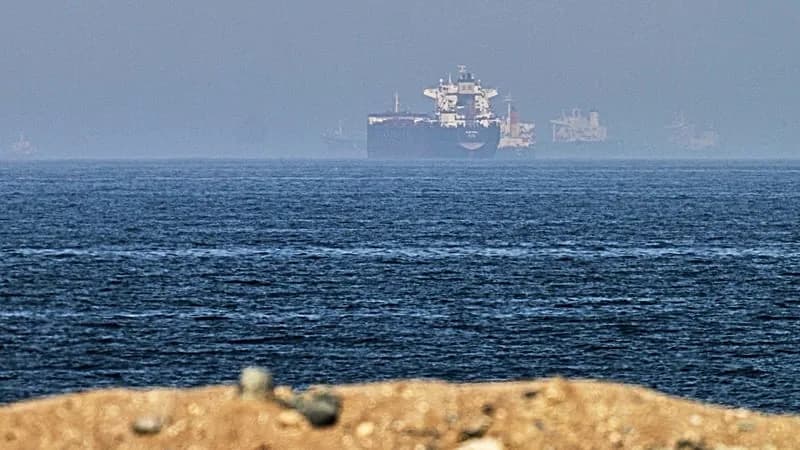
Iran and Oman agree route for ships in Strait of Hormuz, Tehran says
Iran and Oman on Wednesday finalised an agreement identifying the geographical coordinates for a proposed shipping lane through the Strait of Hormuz, Tehran announced.
Joint Statement Under Way. Iran's Foreign Ministry spokesman Esmaeil Baghaei said the two countries are preparing a joint statement that will address technical, legal, security and environmental aspects of the arrangement.
Conditions Tied to US Actions. Iranian state media and officials said reopening the strait would be contingent on the United States ending what Tehran describes as a naval blockade of Iranian ports. Baghaei added the joint statement is being finalised "provided that certain third parties do not obstruct the process," explicitly referring to Washington as a potential obstructing party.
Sovereignty, Fees And International Law. A central issue in the negotiations is Tehran's assertion of sovereign control over parts of the waterway and its intention to charge passage fees. That position conflicts with the United States and Gulf states, which insist navigation should remain free under the United Nations Convention on the Law of the Sea (UNCLOS).
Baghaei warned the bilateral Iran–Oman agreement alone cannot guarantee secure navigation through Hormuz while, in his words, "the US naval blockade and other actions against Iran and its interests remain in place." Iranian officials also said the talks, which Tehran described as two months long, align with a Memorandum of Understanding Iran signed with the United States in June.
State television reported the talks focused on establishing a "middle corridor" through the strait that would be jointly managed by Iran and Oman. Other state outlets cautioned the arrangement would not immediately reopen the waterway because of what Tehran calls "US violations." The state broadcaster IRIB said, "The reopening of the Strait of Hormuz depends on a change in US behaviour and the correction of its violations."
"The Strait is going to be open very soon, or they are going to get hit very hard, and then the strait is going to be open," President Donald Trump told Fox News, saying Washington was involved in discussions.
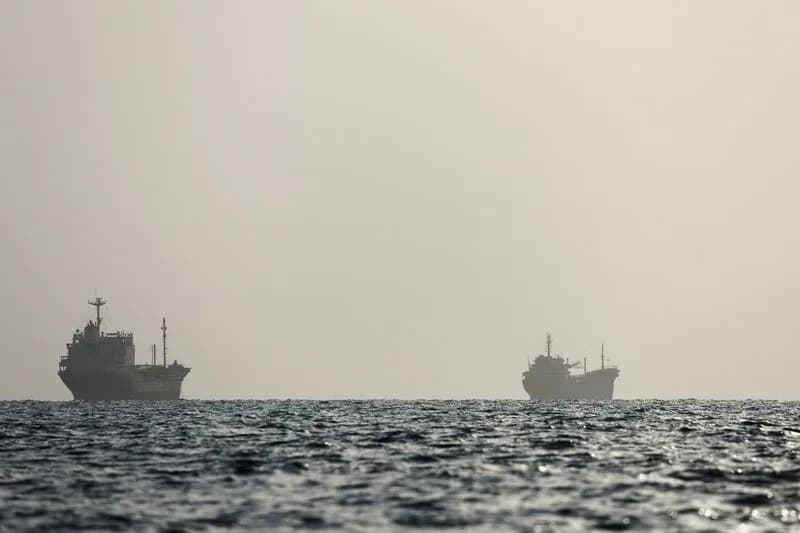
Strategic Stakes. The Strait of Hormuz is a critical global energy chokepoint that handles roughly a quarter of seaborne oil shipments. Tehran effectively closed the waterway after US and Israeli strikes in late February, prompting sharp volatility across energy markets.
Expert View. Danny Citrinowicz, former head of Israel's military intelligence research department, wrote on X that restoring the strait to its pre-crisis status would have required either regime change in Iran or a sustained military campaign to impose control — options he described as politically and strategically unacceptable for Washington because of their cost and long-term commitments.
Next Steps and Implications. The agreement between Iran and Oman signals an attempt to create a practical framework for navigation through Hormuz, but significant legal and geopolitical obstacles remain. The next steps will hinge on whether third parties — particularly the United States and Gulf states — accept or contest elements of the plan, especially Iran's claim to levy transit fees.
Help us improve.