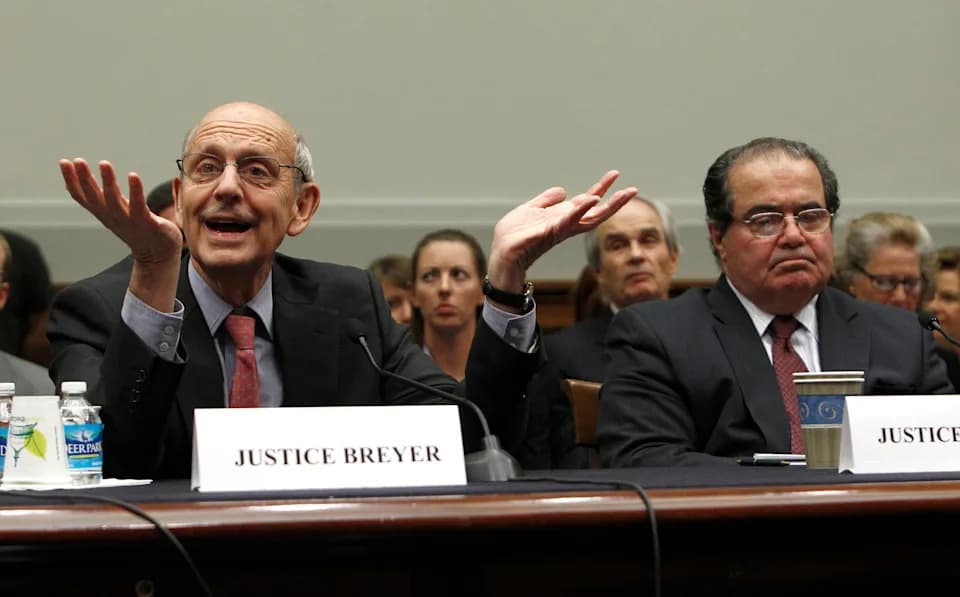
The Supreme Court currently manages media access through limited channels—hard passes, occasional releases, and off-the-record briefings—while leaks and selective public statements complicate public understanding. The author proposes scheduled, televised press conferences for individual justices with strict limits (no comment on pending cases or recusal matters) to improve transparency, reduce leaks, and allow the Court to rebut misinformation. Although off-script remarks present risks, a pilot program with training, moderation, and clear rules could mitigate harm and strengthen public trust.
Let the Justices Speak: Why the Supreme Court Needs Regular Press Conferences
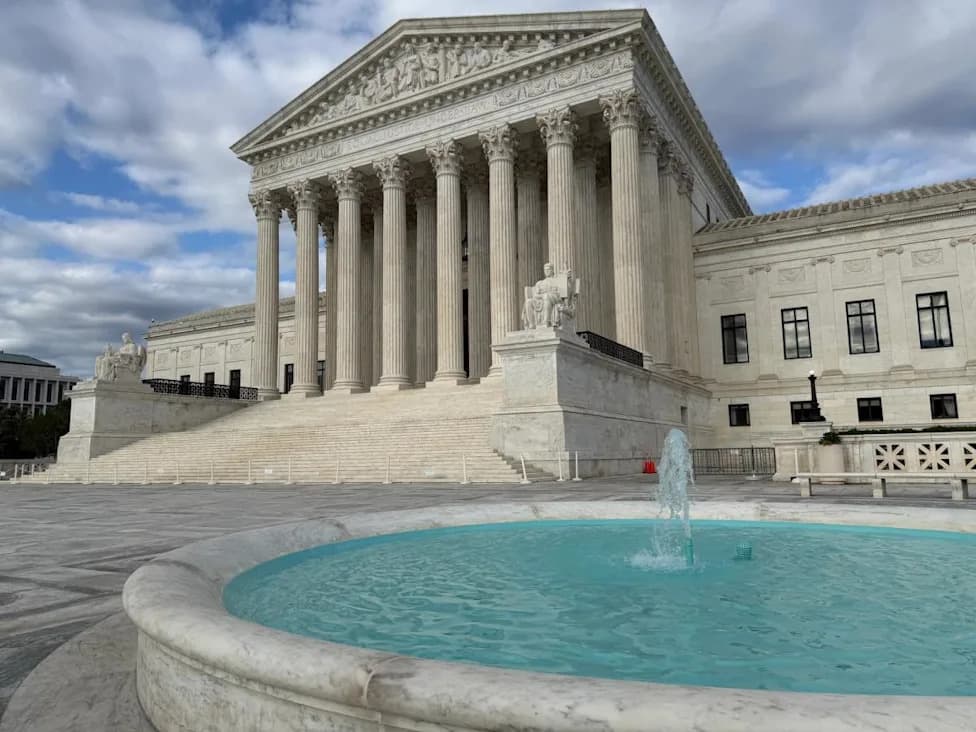
(Nora Collins)
The Supreme Court maintains a deliberately managed and distant relationship with the press. Reporters with so-called "hard passes" get reserved seats at public sittings; the Court issues occasional press releases; and the chief justice publishes an annual report each Dec. 31. More often, the Court relies on surrogates or rare, narrowly focused statements rather than sustained public engagement.
Individual justices have wide latitude to speak on their own terms. They grant interviews—often around book promotions—take part in public events that use preapproved questions, and respond informally to judges and reporters at circuit conferences. Off-the-record briefings are common: reporters routinely cite anonymous "sources close to the Court." Leaks of confidential deliberations remain a persistent problem, and the Court typically declines to answer publicly when they occur (the leaked Dobbs draft was a rare exception).
Why Regular Press Conferences?
I propose a modest, carefully limited reform: scheduled, televised press conferences for individual justices. These sessions would be open to the Supreme Court press corps and to recognized alternative media (podcasters, for example), held at regular intervals and governed by clear ground rules.
Permitted Topics and Limits
- Off-limits: Pending cases, confidential deliberations, and any statements that would create a recusal issue.
- On-limits: Institutional matters (court administration, transparency practices, technology and public access), general explanations of judicial processes, responses to public misinformation, and questions about leaks and how the Court addresses them.
Potential Benefits
Regular press conferences could reduce the incentive for leaks by giving justices an authorized, public venue to explain institutional concerns. They would let the Court rebut unfair attacks more directly, improve the clarity of judicial communication for the public, and encourage justices to practice concise, accessible messaging—skills that could also sharpen opinion writing.
Risks And Mitigations
There are real dangers: off-script remarks can inflame controversy, as when Justice Thurgood Marshall made a regrettable comment in 1991 or Justice Antonin Scalia responded rudely to a reporter in 2006. Justice Ruth Bader Ginsburg also drew criticism for remarks that appeared to hint at pending outcomes.
Those risks can be managed. The Court could:
- Start with a pilot program limited in scope and frequency.
- Provide media-training and message-briefing for participating justices.
- Use experienced moderators and pre-established topic lists to reduce ad-libbing.
- Adopt clear rules and sanctions for improper disclosures or comments that cross ethical lines.
Conclusion
Carefully structured, periodic press conferences would not alter judicial decisions, but they could strengthen institutional transparency and public confidence. By letting Americans hear justices explain the Court’s work in their own words—within well-defined boundaries—the Court can preserve its independence while improving public understanding and trust.
Help us improve.