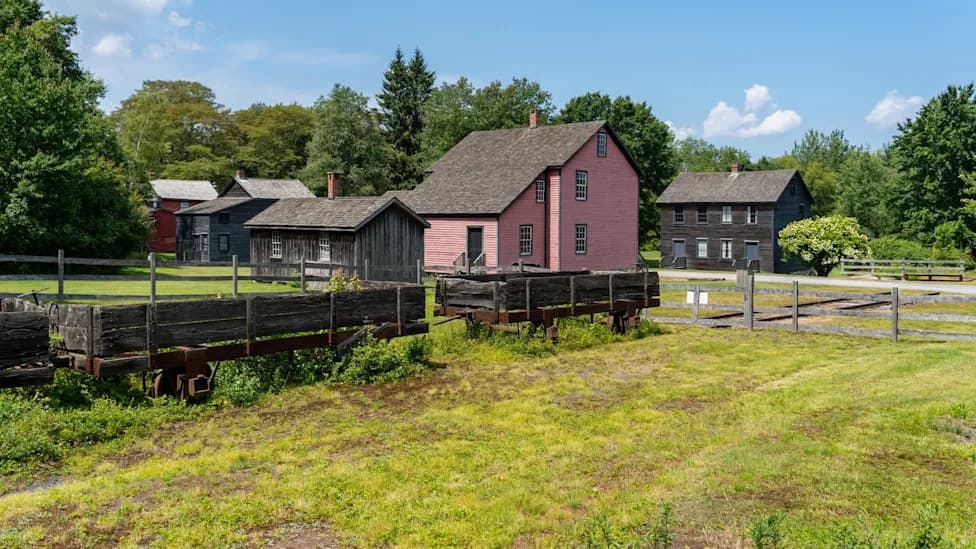
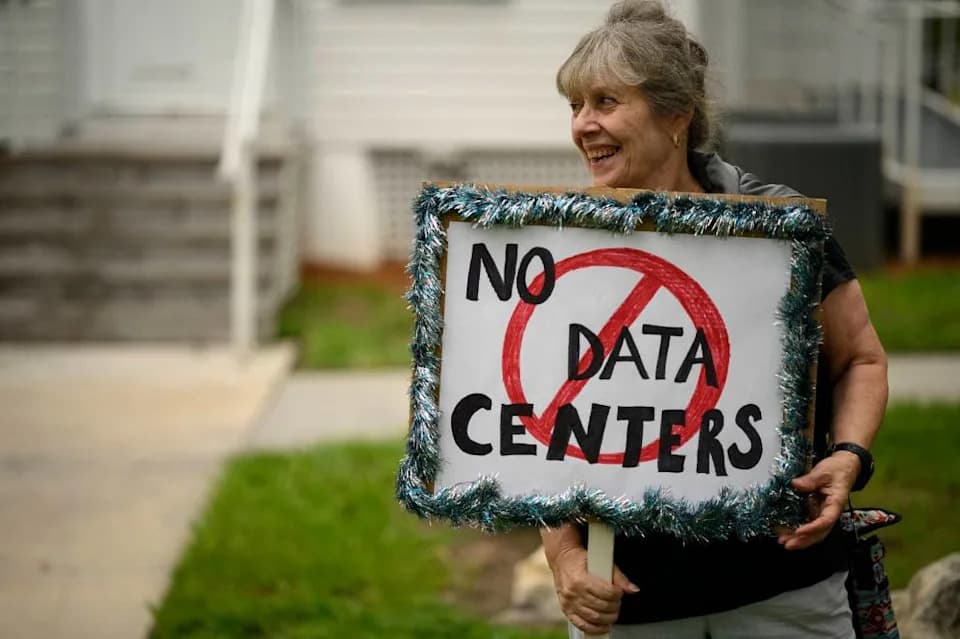
Pennsylvania farmers and the Farm Bureau are pushing for a statewide moratorium on new data centers after a proposed PPL transmission route tied to an Allenwood data center could cross at least six preserved farms. The plan may include about nine miles of 230-kV lines on roughly 140-foot poles, raising fears of eminent domain. Opponents say the threat undermines the state's farmland preservation program, which protects 6,648 farms and 661,035 acres and receives about $43 million annually for easements.
‘Preserved’ at Risk: Pennsylvania Farmers Demand Moratorium as Power Line Plan Cuts Through Protected Farmland
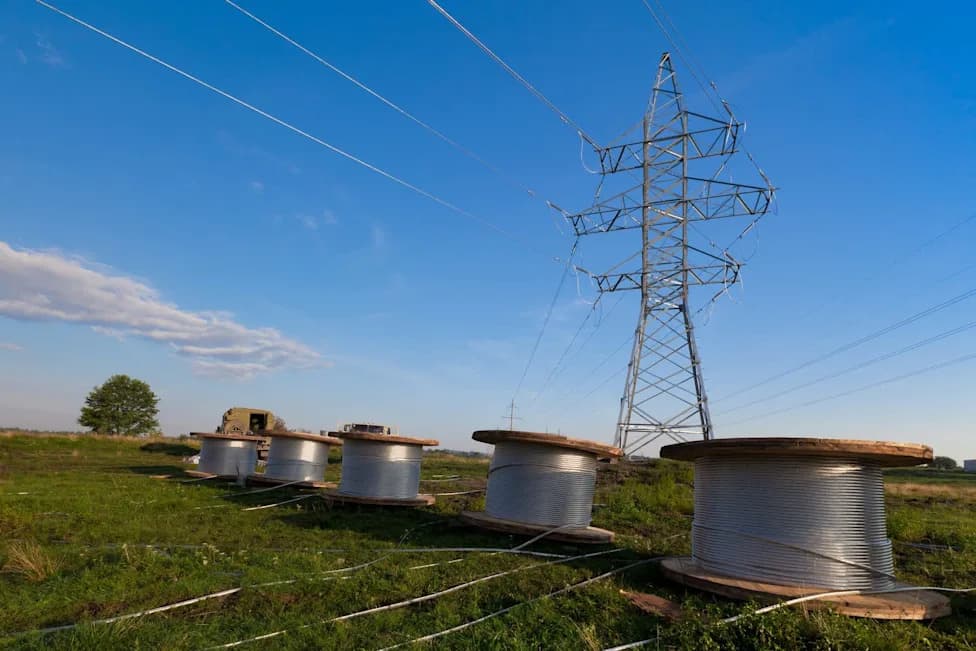
Photo Credit: iStock
Pennsylvania farmers and rural advocates are calling for a statewide moratorium on new data center construction after a proposed transmission-line route tied to an Allenwood data center project threatened to cross multiple preserved farms.
What Farmers Say
Local landowners say the issue goes beyond a single utility project: if major transmission lines can be routed across conserved acreage, the practical meaning of "preserved" farmland is in doubt. At a Gregg Township meeting, landowner Andy Bater presented a map to the Center for Rural Pennsylvania showing at least six farms that could be affected. "The farmers on this map, most of them said to me, 'I have no interest in any amount of money allowing transmission lines to run across my land,'" he told the board.
The Allenwood Transmission Project
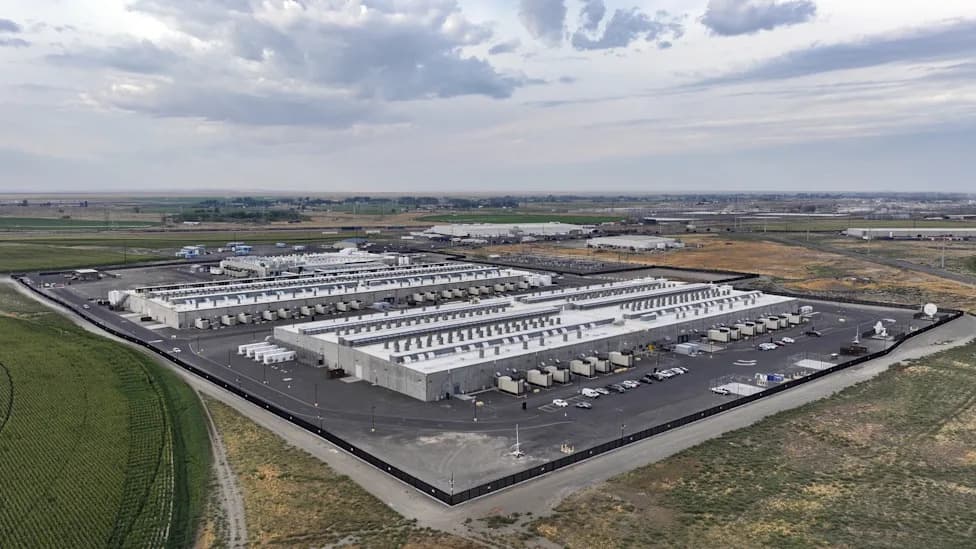
PPL Electric Utilities says it is still evaluating its Allenwood Transmission Project and has not selected any final routing. Company estimates reported by The Center Square indicate the plan could include roughly nine miles of new 230-kilovolt line carried on poles about 140 feet tall. Residents worry that routes tied to a proposed Allenwood data center campus — which PNK Group has signaled it plans to build — could trigger eminent domain actions.
Farmland Preservation Under Pressure
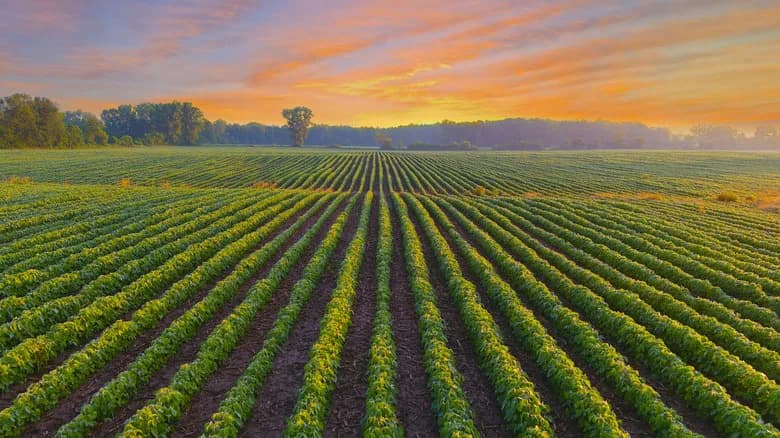
Pennsylvania highlights its Agricultural Conservation Easement Program as a national leader. The Center Square reported the state has preserved 6,648 farms totaling 661,035 acres and spends about $43 million a year on conservation easements intended to keep prime farmland intact. Opponents argue the proposed transmission project exposes gaps in those protections.
"For us, preserved farmland is preserved farmland," Pennsylvania Farm Bureau spokesperson Will Whisler told The Center Square, noting Union County's situation suggests there may be little protection from utility routes placed through eminent domain.
Responses From PPL, Lawmakers and Farmers
PPL says it recognizes the importance of farmland preservation and is reviewing agricultural impacts alongside environmental, engineering, public safety and feasibility concerns before choosing any route. Republican Sen. Gene Yaw, chair of the Center for Rural Pennsylvania's board, told farmers he could not recall PPL using eminent domain in his district and said the company mentioned the possibility because it was required to disclose it.
Local farmer Terry Snoddy, who operates two farms in the region, described the proposed line as the data center's "own personal extension cord," underscoring the frustration many feel about infrastructure they believe would primarily serve private development at the expense of protected land.
Why It Matters
Data centers bring tradeoffs: heavy electricity demand, water use for cooling, and local concerns over energy costs and land use. State lawmakers and rural advocates are debating whether the pace of data center growth in Pennsylvania is outpacing protections for preserved farms and rural communities.
What’s Next
The Pennsylvania Farm Bureau has endorsed a statewide moratorium on new data center development; its 18-member board voted unanimously. PPL continues to solicit feedback from landowners, farmers and local officials as it evaluates routing options. The dispute could prompt legislative or regulatory responses if officials decide existing preservation and siting rules need strengthening.
Help us improve.