The FDA is investigating 10 active foodborne-illness outbreaks, including two cyclospora events tied to iceberg lettuce that have reached patients in 41 states. Michigan reports the highest burden with 11,234 illnesses, 193 hospitalizations and two deaths; Ohio has 4,013 cases. Other probes involve Salmonella, Listeria, E. coli and Clostridium botulinum and include recalls of frozen berries, powdered infant formula, eggs and soft cheeses. Experts say better diagnostic testing and a more interconnected food supply make outbreaks easier to detect, and they urge consumers to follow basic food-safety practices and recalls.
FDA Investigating 10 Active Foodborne Outbreaks — What to Know About the Lettuce Cyclospora Cases and Other Probes

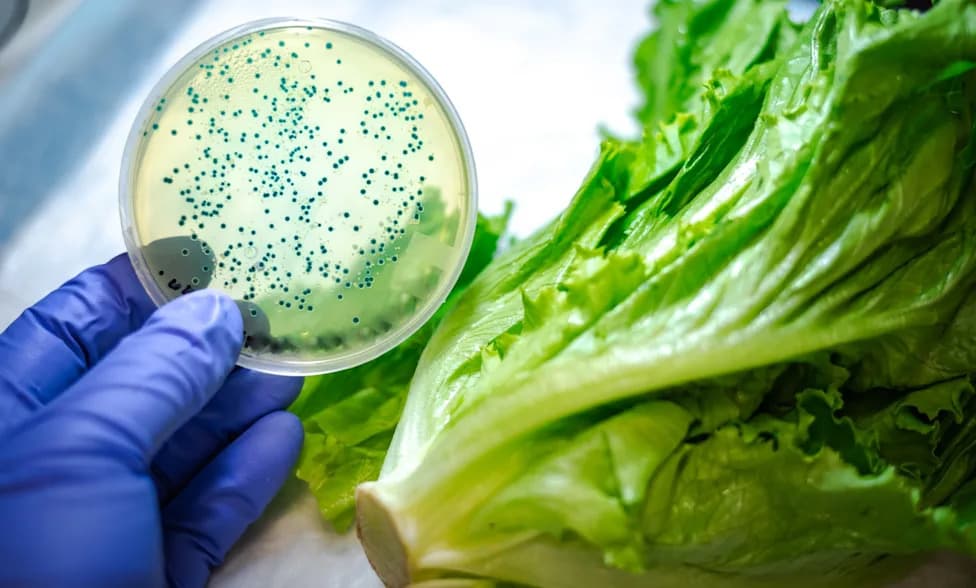
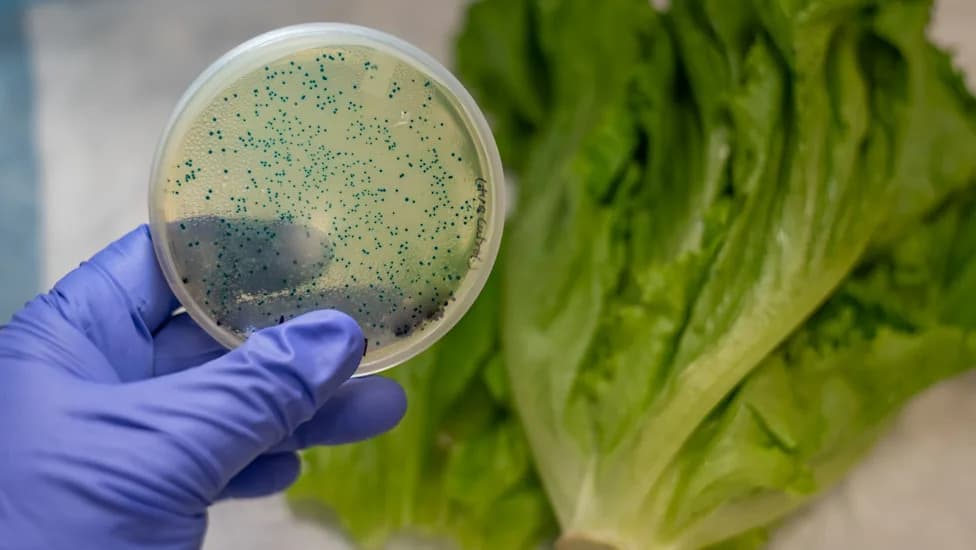
Several of the FDA's active investigations involve fresh produce, while others are linked to eggs, soft cheese, frozen berries, and infant formula.Credit: Iuliia Bondar / Getty Images
The U.S. Food and Drug Administration (FDA) is currently investigating 10 active foodborne-illness outbreaks across the country, a tallied number experts say reflects improved surveillance and an increasingly interconnected food supply.
Overview
Two separate cyclospora outbreaks tied to iceberg lettuce account for the majority of reported illnesses and have reached patients in 41 states. Michigan has reported the highest burden: as of July 30 the Michigan Department of Health and Human Services lists 11,234 illnesses, 193 hospitalizations and two deaths. Ohio follows with 4,013 confirmed cases, per the Ohio Department of Health. The FDA lists two ongoing cyclospora investigations dated July 15 and July 22.
Other Active Investigations And Recalls
Other probes involve pathogens including Salmonella, Listeria monocytogenes, E. coli and Clostridium botulinum. Several investigations are tied to recalled products; others remain without identified sources:
- Salmonella (reported July 23) — 212 cases reported; FDA is conducting traceback and testing but has not disclosed implicated foods or affected states.
- Listeria monocytogenes (reported July 22) — Case count rose from eight to nine; sampling is underway and the source is not yet identified.
- Unspecified outbreak (listed July 8) — 10 cases; cause remains unknown and investigators have not said whether it's linked to the cyclospora activity.
- Salmonella Oranienburg (reported July 8) — Cases rose from 81 to 90; source under investigation.
- E. coli O145:H28 — Frozen Berries (Publix recall, July 29) — Publix recalled Greenwise Organic Frozen Whole Blueberries and Whole Mixed Berries shipped to stores in Alabama, Florida, Georgia, Kentucky, North Carolina, South Carolina, Tennessee and Virginia.
- Clostridium botulinum — Powdered Infant Formula (Nara Organics, June 13) — Nara Organics recalled all lots of its Whole Milk Organic Powdered Infant Formula; three cases reported in California, Washington and Pennsylvania. Infant botulism is a serious condition requiring immediate medical attention.
- Egg Recall — Midwest Poultry Services (June 10; expanded July 22) — Nearly 1.6 million dozen eggs produced in Texas were recalled over potential Salmonella Enteritidis contamination; products were sold at Kroger and Brookshire Grocery locations in Arkansas, Louisiana, Mississippi, New Mexico, Oklahoma and Texas. No illnesses have been reported in connection with the recall.
- Listeria Linked To Soft Cheeses (reported June 3) — An outbreak sickened 12 people across Maryland, New York, Virginia and Illinois; 10 were hospitalized and one person died. Recalls included Clover Hill Dairy and select cheeses sold under La Colonia and Selectos Latanios brands in several states.
Why So Many Investigations?
Experts attribute the high number of active investigations to two main factors: better detection and widespread distribution networks. Modern culture-independent diagnostic tests (CIDTs) make it easier for clinicians and public health agencies to identify and link cases, while a centralized, fast-moving food supply can spread contamination across many states before illnesses are recognized.
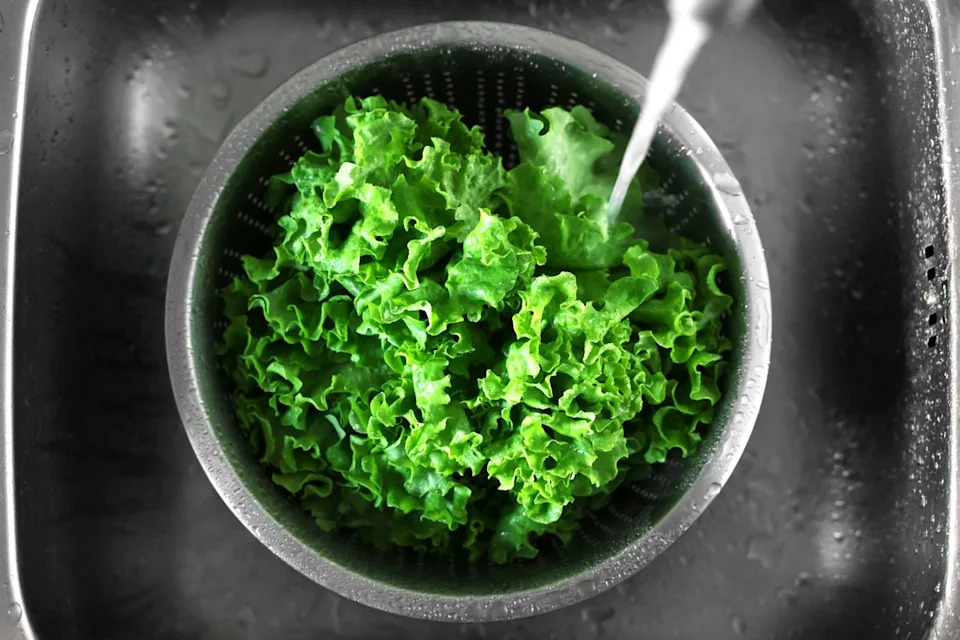
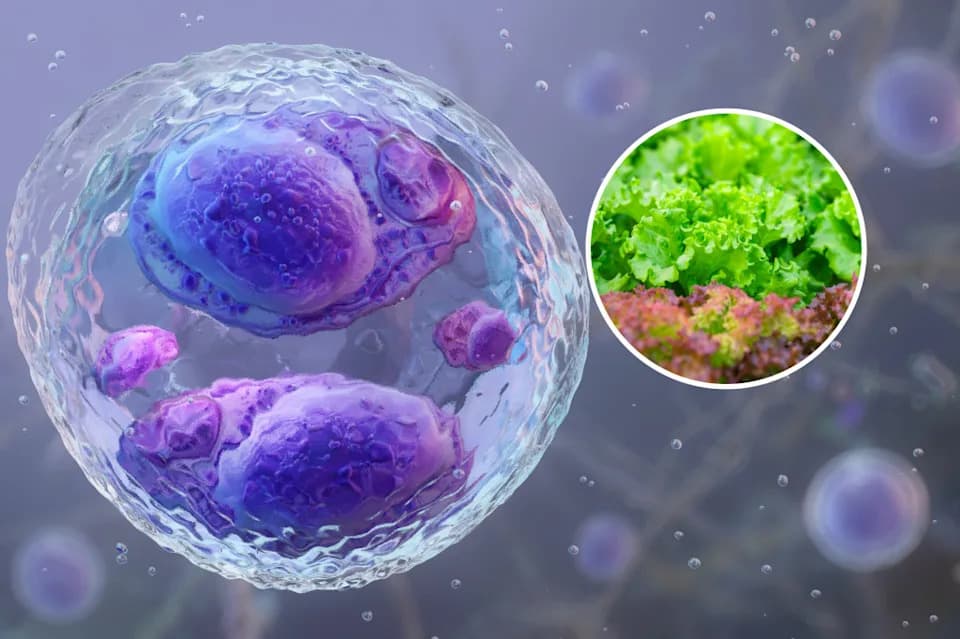
Food safety experts say everyday habits—including washing produce, refrigerating perishables promptly, and following recall notices—can help reduce the risk of foodborne illness.Credit: Liudmila Chernetska / Getty Images
Cyclospora And The Taylor Farms Update
Cyclospora cayetanensis causes cyclosporiasis, which can produce severe, watery diarrhea lasting weeks if untreated. Current cyclospora activity has been linked to iceberg lettuce supplied by Taylor Farms de México; the FDA initially reported a positive Cyclospora test on supplied lettuce and Taylor Farms recalled product, but later described that test result as a "false positive," an update that increased consumer confusion. The outbreak originally centered on lettuce distributed to Taco Bell locations across nine states but has since expanded to reports in 41 states.
Symptoms To Watch For
Common symptoms of the pathogens involved include:
- Cyclospora: explosive watery diarrhea, fatigue, nausea, possible weight loss.
- Salmonella: diarrhea, fever and abdominal cramps.
- Listeria: fever, muscle aches, sometimes gastrointestinal symptoms; can be severe for pregnant people, newborns and the elderly.
- E. coli: severe stomach cramps, diarrhea (often bloody), vomiting; some strains can cause serious complications.
- Clostridium botulinum (infants): constipation, poor feeding, weak cry, difficulty breathing — seek immediate care.
What Consumers Can Do
While consumers cannot control upstream failures in the food supply, simple actions at home reduce risk:
- Practice thorough hand hygiene before and after handling food.
- Rinse fresh produce under running water; follow package instructions for prewashed or ready-to-eat items.
- Refrigerate perishable foods promptly and maintain safe refrigerator temperatures.
- Clean and sanitize refrigerators and food-preparation surfaces; discard spoiled items.
- Follow recall notices and check the FDA and your local health department for up-to-date alerts.
The FDA maintains an active list of ongoing foodborne-illness investigations and recalls. If you are ill and suspect a foodborne infection, contact your healthcare provider and mention recent food exposures so appropriate testing and public-health reporting can occur.
Help us improve.