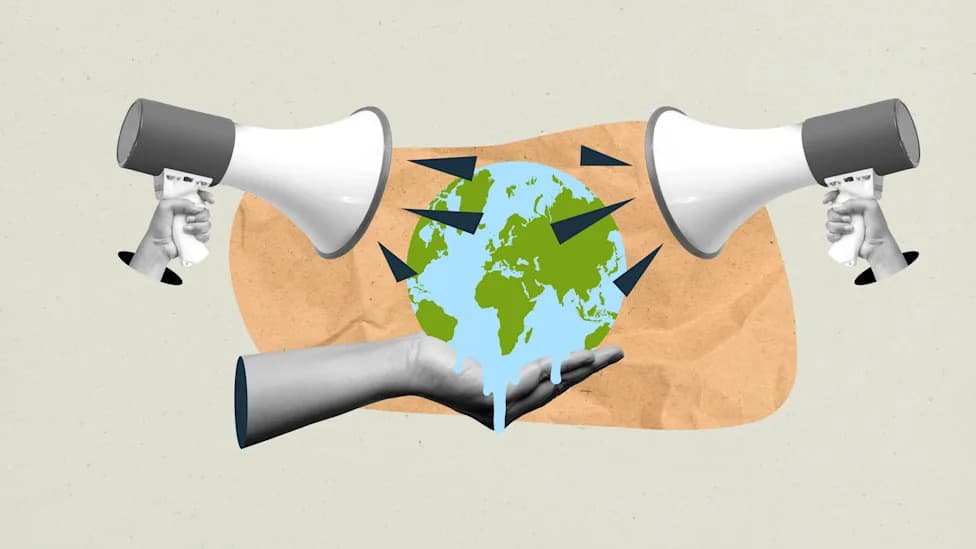
Extreme weather — heat waves, storms, floods and wildfires — disrupts the everyday interactions, places and traditions that keep communities connected. Research in rural Appalachia and other regions shows these disruptions can deepen social isolation, especially among older adults and rural residents without reliable transport or internet. Investing in resilient community hubs (libraries, community centers), communications backups and neighborhood-level supports can preserve social ties and strengthen climate resilience.
When the Weather Breaks Our Bonds: How Heat Waves and Extreme Weather Are Eroding Community Ties
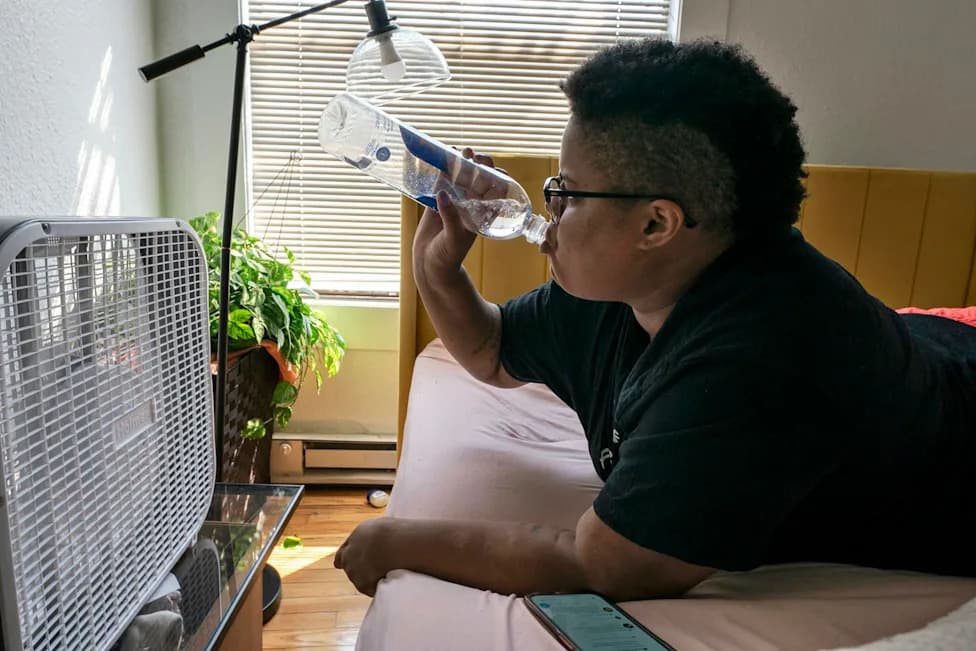
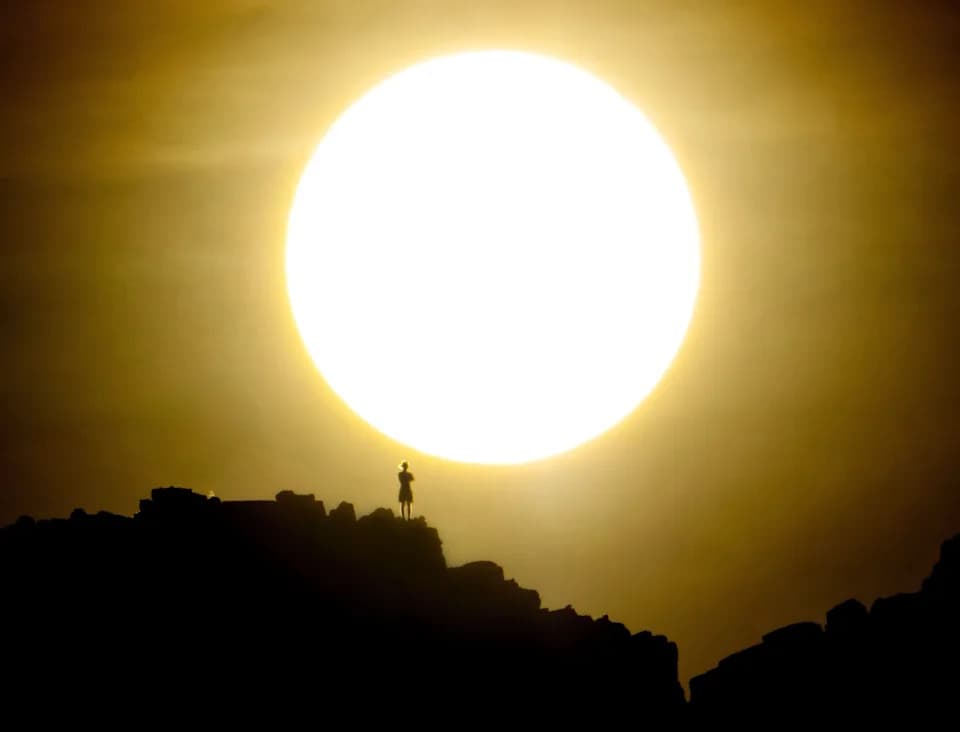
During miserable heat waves, people tend to stay inside if it's cooler there, limiting social connection.AP Photo/Nathan Howard
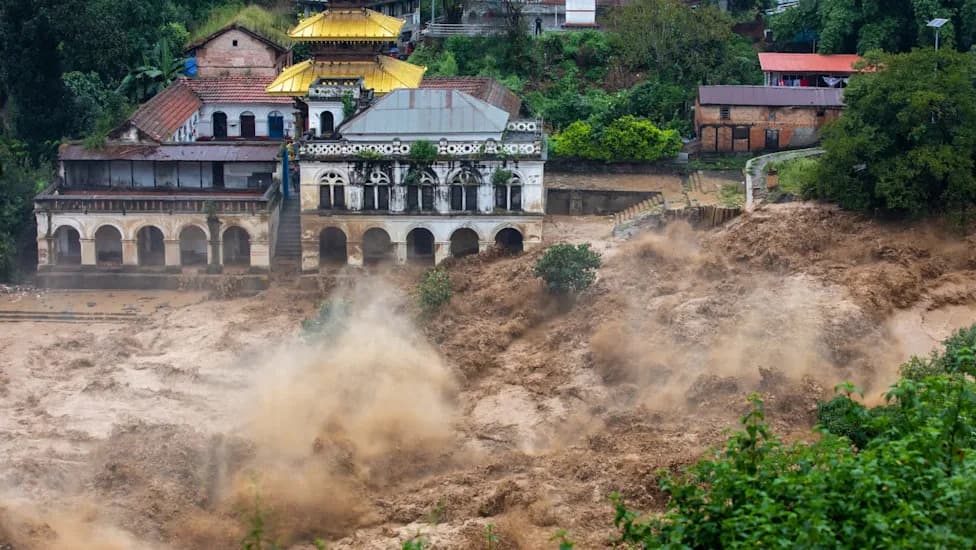
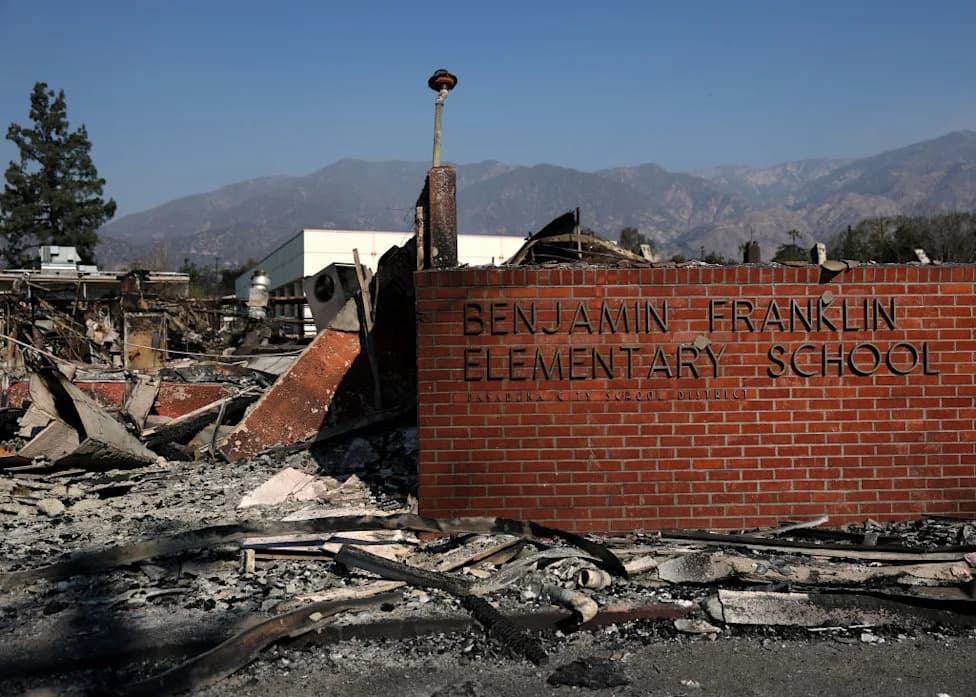
Severe storms, prolonged heat waves and wildfires are doing more than damaging property — they are disrupting the everyday rituals, places and chance encounters that keep communities connected. Flooded parks, canceled festivals and repeated closures push people indoors, interrupt travel and communications, and chip away at traditions that bind generations.
Why Social Connection Matters
Social connection is a cornerstone of mental and physical well-being: it sharpens cognition, reduces stress and can save lives during emergencies by enabling timely information-sharing, mutual aid and collective action. When weather becomes extreme, neighbors share warnings, check on older adults and help coordinate emergency cooling centers when formal systems are overwhelmed.
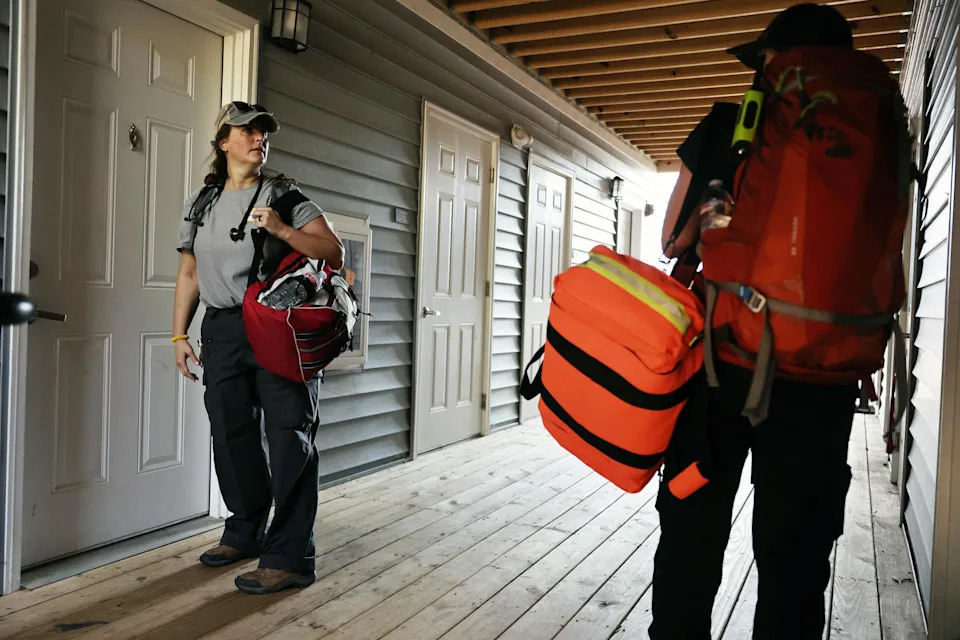
Dr. Khristina Meissner, right, and nurse practitioner Jen Felter check on residents in Swannanoa, N.C., after Hurricane Helene's flooding in October 2024. While the residents' apartments might have survived the storm, flooding made reaching medical care and many other resources, friends and family much harder.Mario Tama/Getty Images
How Extreme Weather Disrupts Social Life
My research as an assistant professor of social work at the University of Tennessee — including fieldwork in rural Appalachia — shows several pathways through which climate-driven weather extremes weaken social ties.
1. People Stay Home to Stay Safe
Dangerous heat sends people indoors near air conditioning or fans. That sensible behavior reduces attendance at community events and informal gatherings. As one 28-year-old social worker told our team, "I don't remember it being this hot growing up. People don't want to leave their house if it's that hot. People don't want to go to community events and be out in the community." Less face-to-face interaction can deepen loneliness over time.
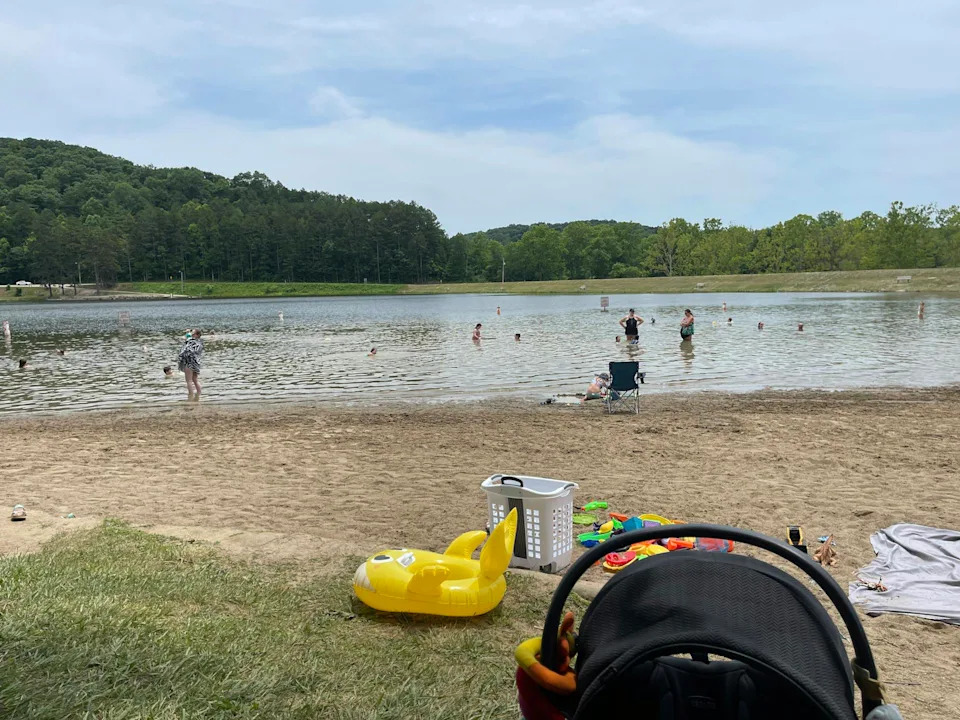
Extreme weather can flood parks and dry up lakes, such as Lake Hope in Vinton County, Ohio. This image was captured by a resident who often visited the lake with her two small children. Like many others, the water levels in Lake Hope dropped significantly during Ohio's record drought in 2024.Doherty, et al., 2026
2. Travel Becomes Risky or Impossible
Severe storms, flooding and wildfire smoke can make roads unsafe or impassable, keeping people from visiting family, attending services or joining casual meetups that foster belonging. These lost encounters — shopping with neighbors, stopping by the park, sharing a meal — accumulate into meaningful social erosion.
3. Communications Fail When We Need Them Most
Storms, floods and heat-related infrastructure failures often trigger prolonged power outages that knock out internet and cellular service. A 74-year-old rural resident told our team, "We're so isolated. We do not have any cellphone service other than through Wi-Fi. So when the power's out, we have no cellphone service … without your phone, you really lose all your connections." When communication channels fail, coordinating aid and maintaining relationships becomes far harder.
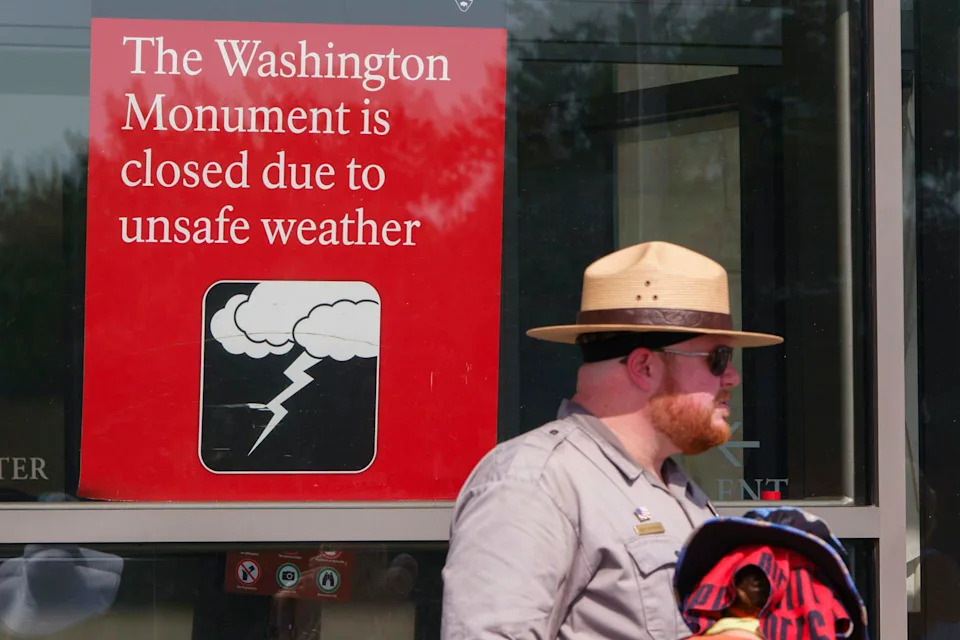
A heat wave, with temperatures over 100 degrees, shut down the Washington Monument and temporarily closed the American State Fair on the National Mall on July 3, 2026, over public health concerns.Kevin Carter/Getty Images
4. Places and Traditions Are Damaged or Lost
Community hubs — lakes, parks, festival grounds and other gathering places — are vulnerable to flood, drought and fire. I witnessed this after Hurricane Irene and Tropical Storm Lee in my hometown of Cherry Valley, New York, when floodwaters breached a dike and emptied a small lake known locally as "the reservoir," eliminating a rare communal place for picnics and swimming. In Appalachia, drought and heat lowered water levels, curtailed seasonal harvests and reduced attendance at long-standing events like the Ohio Pawpaw Festival, undermining intergenerational traditions.
Compounding Hazards and Unequal Impacts
Weather events often compound each other: a storm during a heat wave can bring flooding, power loss and unsafe travel simultaneously, creating cascading disruptions. Those already socially isolated — older adults, people in rural areas, and residents without reliable transportation or internet — tend to be hit hardest and risk becoming even more cut off.
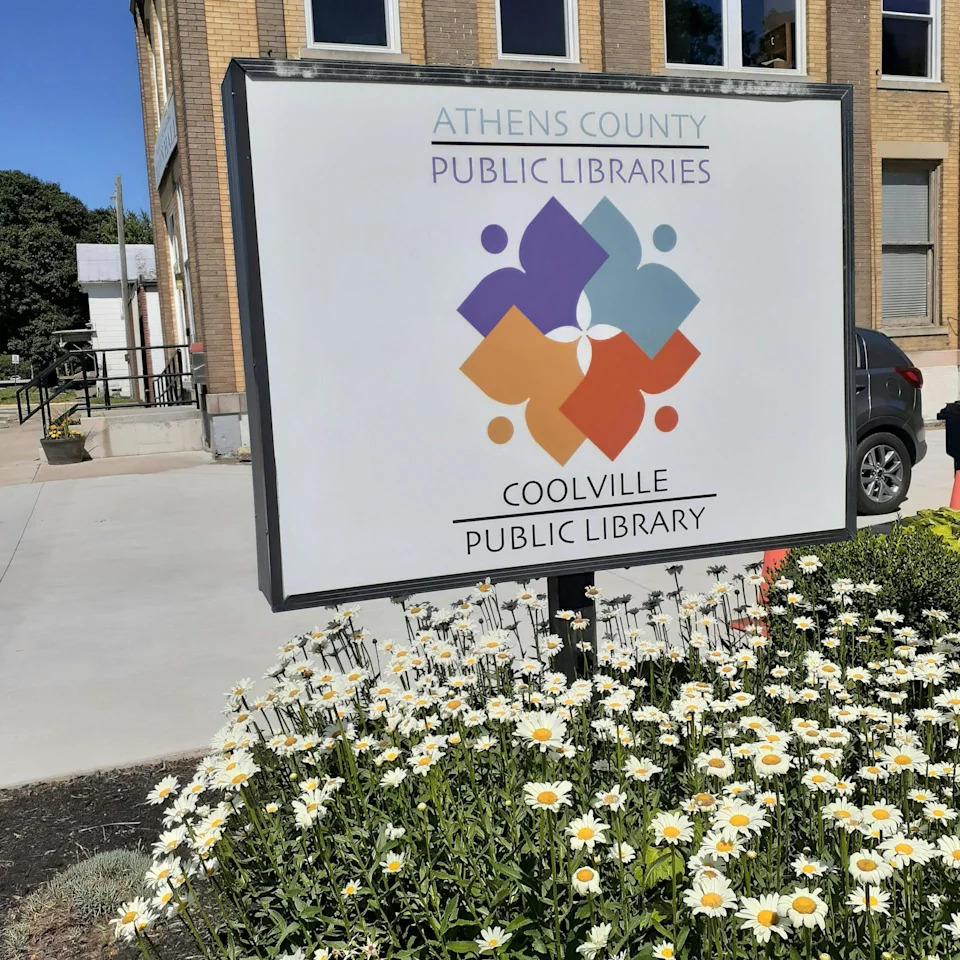
The Athens County library in Coolville, Ohio, is aptly named – it can serve as a cooling center during heat waves. Fiona Doherty,CC BY-ND
What Communities Can Do
Protecting social connection should be central to climate resilience. Practical investments include:
- Community Hubs: Strengthen and fund public libraries, community centers and multiuse spaces that host events year-round and serve as cooling centers, phone-charging sites and internet access points during outages.
- Distributed Resilience: Equip neighborhoods with small-scale resilience resources — shaded public seating, water refill stations, local cooling points — so not all support depends on distant centralized facilities.
- Communications Backups: Prioritize resilient communications (community radio, battery-powered repeaters, public Wi-Fi with generator backup) for vulnerable or remote populations.
- Protect Places and Traditions: Incorporate cultural places into resilience planning (e.g., flood-protection for parks, drought-tolerant landscaping for gathering sites) so rituals and seasonal events can continue.
- Targeted Outreach: Develop programs to check on socially isolated residents during extreme events and build networks of neighborhood volunteers who can share resources and information.
Conclusion
As global temperatures rise and extreme weather becomes more frequent, the social fabric that supports community well-being is increasingly at risk. Investing in places, systems and small-scale infrastructure that preserve face-to-face connections and reliable communication will not only ease loneliness but also bolster communities' ability to respond to and recover from climate shocks.
About the author: Fiona Doherty is an assistant professor of social work at the University of Tennessee who studies how social and environmental crises intersect. Her research includes fieldwork in rural Appalachia and examines how extreme weather affects community connection.
Help us improve.