A Los Angeles‑area angler calmly reached into the mouth of an 8‑foot shark, removed a hook and returned the animal to the Pacific, footage shows. Southern California is seeing an unusual rise in juvenile great white sightings — the highest in a decade — a trend experts link to a strong El Niño, which human‑caused warming can amplify. Authorities urge beachgoers to follow lifeguard guidance, avoid murky water and support monitoring and safety efforts.
Daring Rescue: Los Angeles Angler Reaches Into 8‑Foot Shark’s Mouth to Remove Hook and Releases It
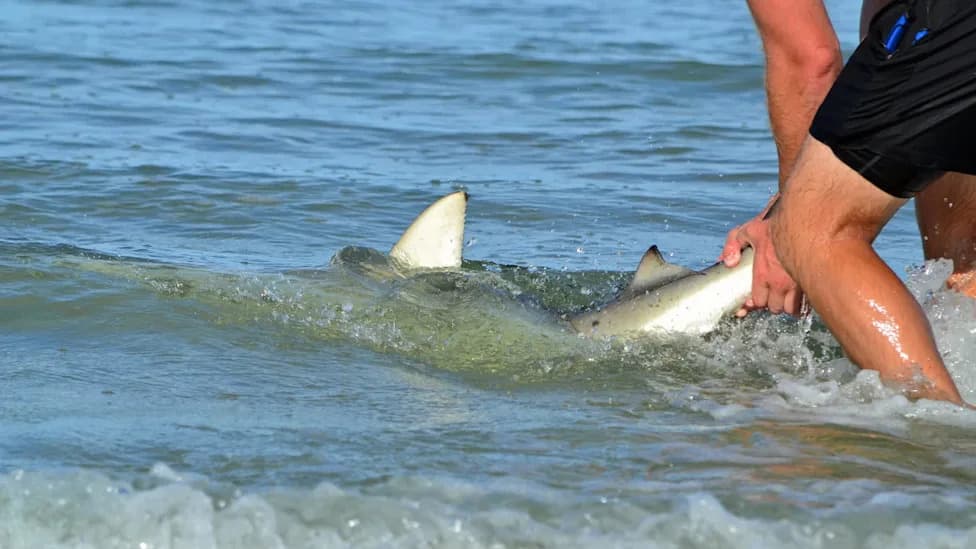
Photo Credit: iStock
A fisherman on a Los Angeles‑area beach startled onlookers when he calmly reached into the mouth of an 8‑foot shark, removed a hook and guided the animal back into the Pacific Ocean. Witnesses recorded the encounter at Sunset Point Beach, and the footage was reported by ABC News.
What Happened
The video shows the shark thrashing on the sand until the man approached, extracted the hook from the animal’s mouth, and led it back into deeper water. Bystanders can be heard reacting in surprise as the angler worked to free the animal.
Why Sharks Are Increasing Along California’s Coast
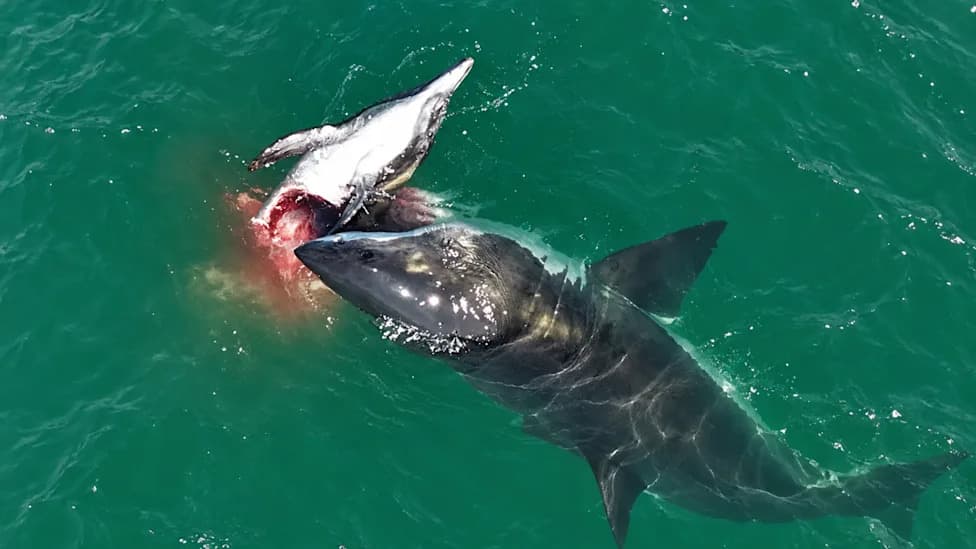
The incident comes as Southern California is experiencing its highest recorded shark numbers in a decade. Researchers report unusually large numbers of juvenile great white sharks along the coast.
“We’re already seeing a high number of white sharks,” said Dr. Chris Lowe, director of the Shark Lab at California State University, Long Beach. “We started seeing baby white sharks in February, which we've never seen before. Usually that happens in April.”
Experts point to El Niño — a climate pattern associated with warmer sea surface temperatures in the Pacific — as a likely driver. El Niño events can shift prey and water conditions, drawing juvenile sharks closer to shore. Forecasters in Australia have warned that this El Niño could be one of the strongest in decades, Reuters reported. The United Nations Institute for Environment and Human Security adds that while El Niño is a natural cycle, human‑caused warming can amplify its global impacts.
Safety and Conservation Advice
The Shark Lab at California State University, Long Beach, recommends that beachgoers stay alert in areas where sharks are known to gather: follow lifeguard guidance, avoid murky water or spots where fishing is active, and keep a safe distance from wildlife so animals have a better chance to recover. Communities can also support monitoring and public education programs that track shark movements and improve beach safety.
Sources: ABC News, The Guardian, Reuters, and the United Nations Institute for Environment and Human Security; statements from the CSU Long Beach Shark Lab.
Help us improve.