In 1942 Britain secretly tested Bacillus anthracis on Gruinard Island to evaluate anthrax as a military weapon. Sheep used in the experiments died and hardy spores contaminated the soil, prompting a government quarantine that lasted decades. Activists in the 1980s exposed the contamination and pressured authorities into a major cleanup—removing topsoil and using formaldehyde—after which the island was declared safe in 1990.
Anthrax Island: How Britain Tested Bacillus Anthracis on Gruinard During WWII
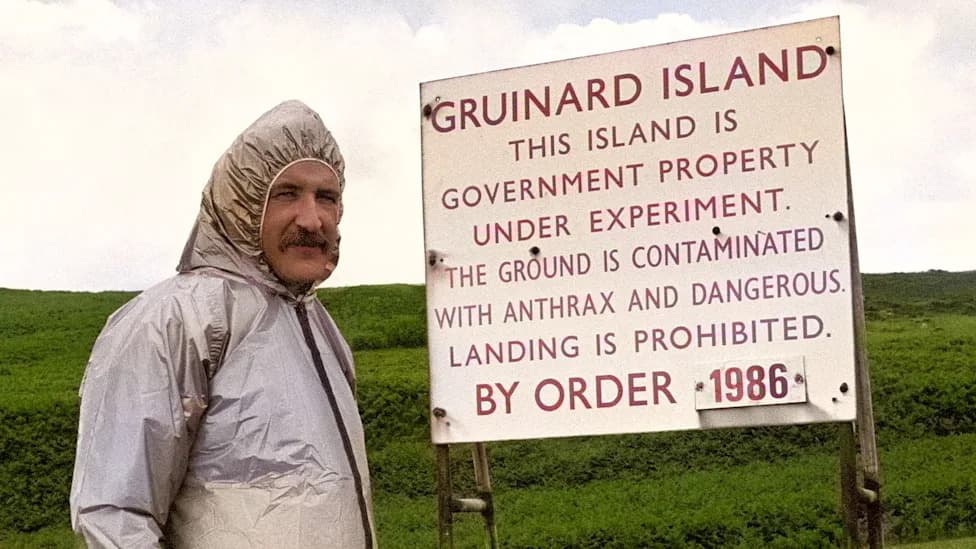
For decades, a remote island in Scotland was contaminated with deadly anthrax.
Gruinard Island, a low, unassuming lump off the coast of Wester Ross in the northwest Scottish Highlands, hides a troubling chapter of wartime science. In 1942, British authorities used the island for secret tests that released Bacillus anthracis, the bacterium that causes anthrax, contaminating the soil for decades and prompting a long government quarantine.
Why Gruinard Was Chosen
Worried that Nazi Germany might deploy biological weapons, Prime Minister Winston Churchill authorised researchers at Porton Down—Britain's military research establishment—to explore whether anthrax could be weaponised. Gruinard was selected because it was uninhabited, accessible by a short boat trip, and isolated enough to limit apparent risk to the mainland.
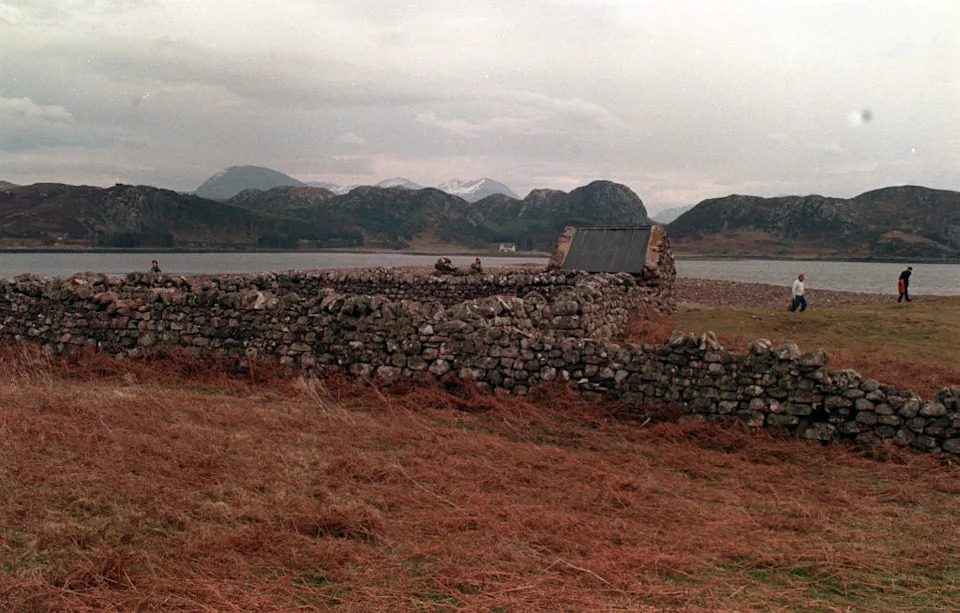
Gruinard Island is a small, oval-shaped island. For centuries, farmers used the island to graze sheep.Image: Getty Images /Chris Bacon – PA Images
The Tests
According to Ministry of Defence footage released years later, scientists placed containers of B. anthracis on the island and exposed grazing sheep brought from the mainland. The animals died; their bodies were burned or buried. Officials compensated farmers but initially concealed the true cause, reportedly telling locals the sheep had been poisoned by a toxin from a nearby Greek shipwreck.
Why Anthrax Was So Dangerous
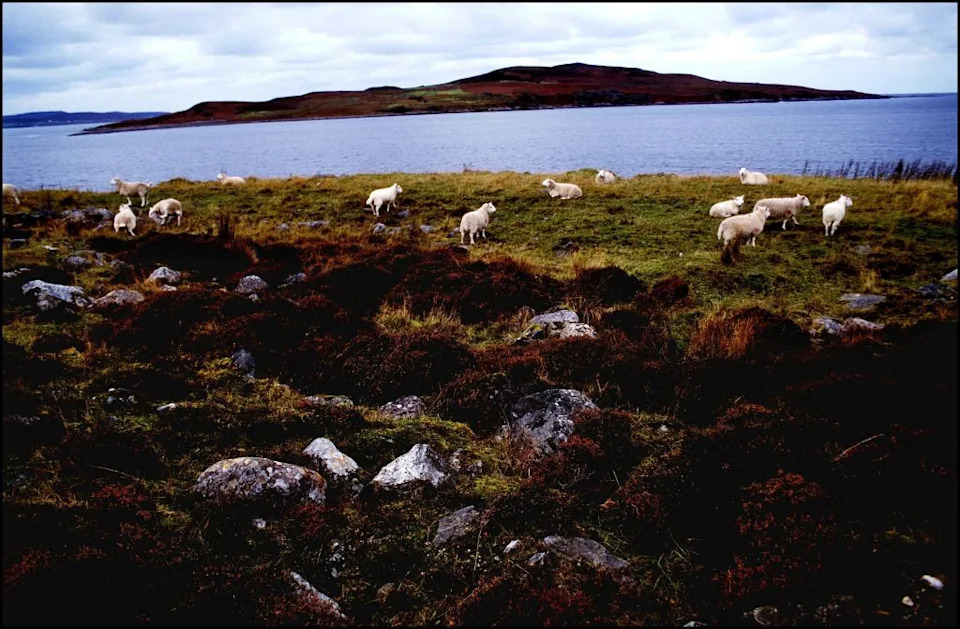
During World War II, the British government tested a deadly bacterium on unsuspecting sheep on Gruinard Island in northwest Scotland.Image: Getty Images /Chip HIRES
B. anthracis survives in soil by forming hardy spores that resist heat, cold, radiation and many disinfectants. Spores can enter people through cuts, be inhaled, or be swallowed; infections range from cutaneous lesions to inhalational anthrax, which can be fatal. As retired microbiologist George C. Stewart observed, infected livestock may show little outward distress before collapsing and releasing contaminated fluids into the ground—seeding more spores.
Decades of Contamination and Secrecy
The resilient spores persisted in Gruinard's soil. Authorities quarantined the island and posted warnings, though explicit mention of a biological hazard did not appear on signs until the late 1960s. Periodic inspections by Porton Down found earlier attempts to decontaminate had been insufficient.
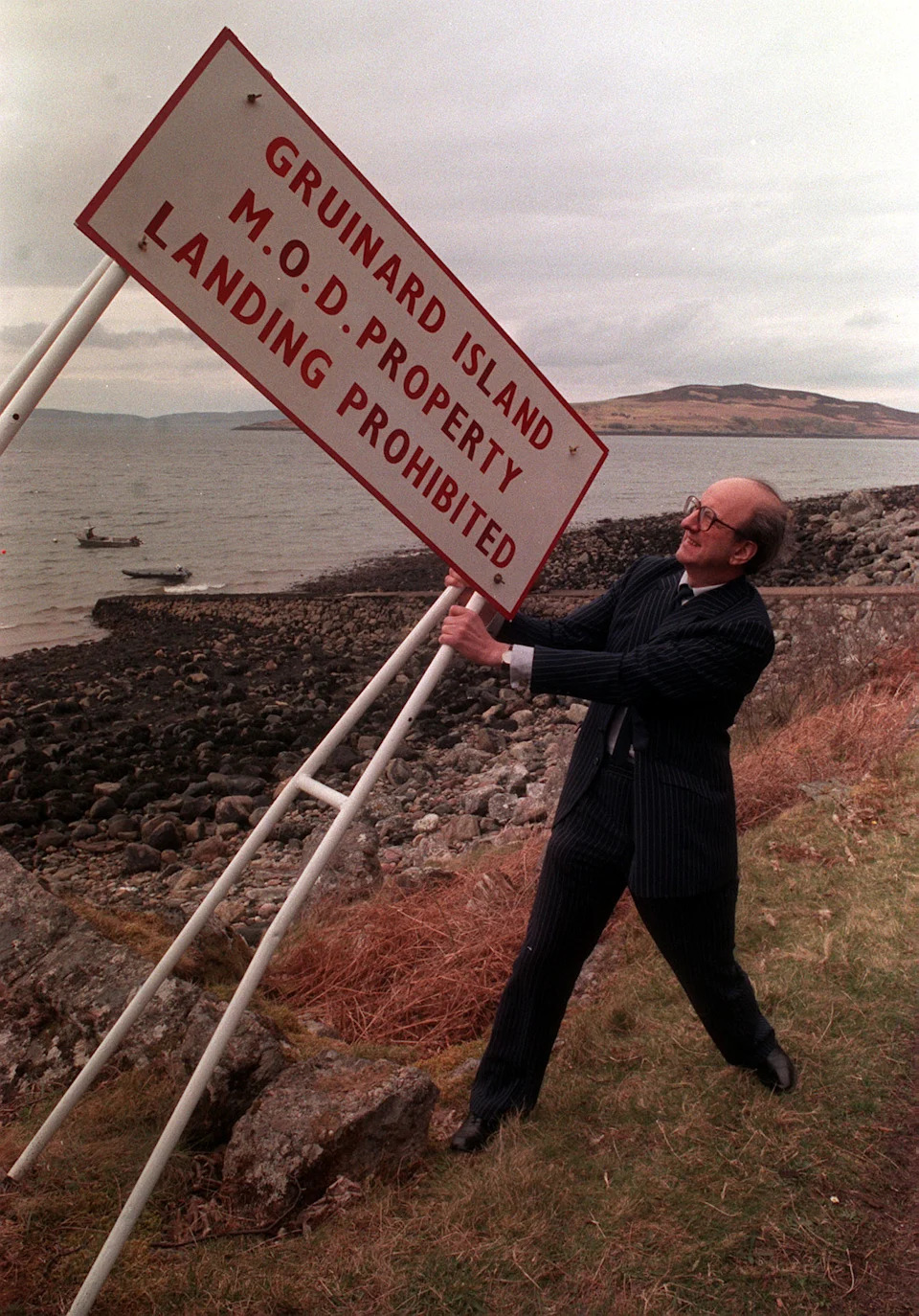
Junior Defense Minister Michael Neubert removes the last warning sign for Gruinard island, off the west coast of Scotland. The British minister declared the island once again safe in the 1990s.Image: Getty Images /Chris Bacon – PA Images
Activism and Public Pressure
In the mid-1980s an activist group calling itself the Dark Harvest Commandos exhumed contaminated soil from Gruinard and publicised the hazard. They left samples at the gates of Porton Down and later at Blackpool Tower during a political conference, forcing media attention and prompting the government to act more decisively.
Remediation and Reopening
The Ministry of Defence mounted a large-scale cleanup: removing topsoil from contaminated areas and repeatedly treating the island with a mixture of seawater and formaldehyde. This harsh but effective approach neutralised remaining spores. In 1990 the MoD declared Gruinard free of anthrax and removed the final warning signs. Junior Defence Minister Michael Neubert later symbolically took down notices, and the island was reopened to the public.
Legacy
Gruinard's story is a striking example of the long environmental and public-health consequences of wartime biological research, and of how activism and public scrutiny can prompt government remediation. Today kayakers and visitors pass through the island's blue waters where deadly spores once lay dormant for decades.
Sources: Ministry of Defence archival footage and public reports; contemporary accounts from Porton Down investigations; commentary by microbiologists George C. Stewart and Monika Ehling-Schulz.
Help us improve.