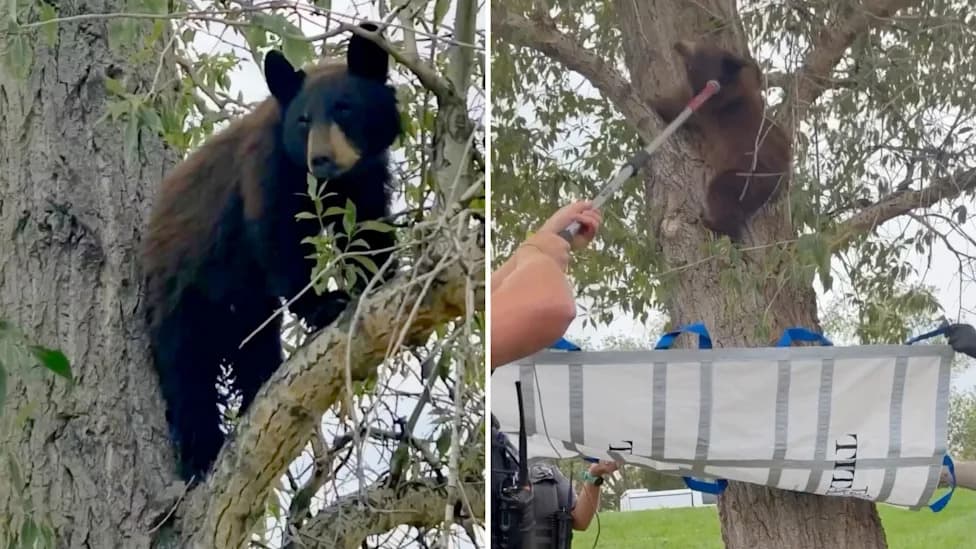
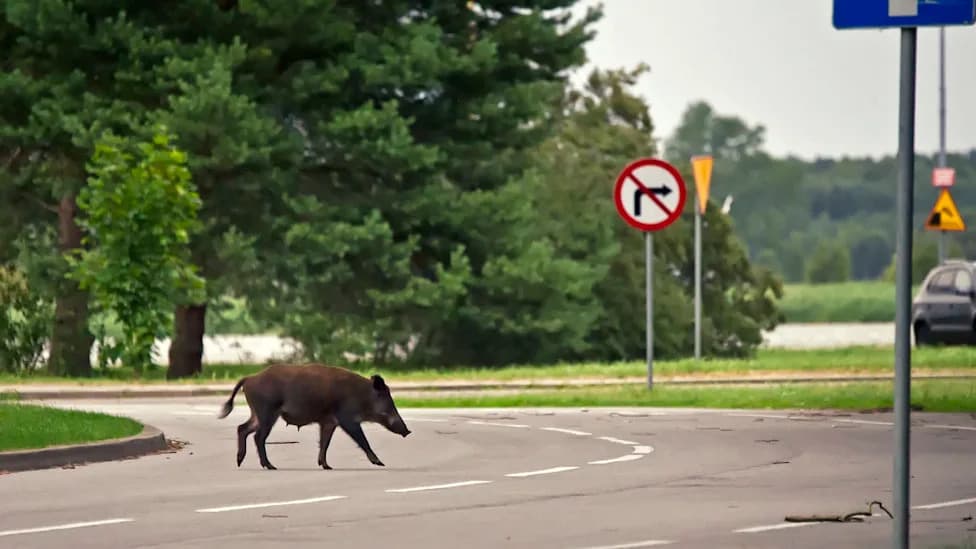
Romania’s Transfăgărășan Highway has become a hotspot for brown-bear sightings as tourists stop to feed and photograph animals, prompting safety concerns and traffic disruptions. Lawmakers propose nearly doubling the national hunting quota to about 900 for 2026–27 to reduce conflicts, but conservationists say expanded hunting alone won’t solve the problem. Experts call for stricter enforcement of feeding bans, better waste management, electric fencing, and public education to prevent bears from becoming food-conditioned. Romania hosts an estimated 10,000–13,000 brown bears and has recorded nearly 30 fatal bear encounters in the last 20 years.
Tourists Feeding Bears on Romania’s Famous Transfăgărășan Sparks Safety Fears as Hunting Quota Nears Doubling
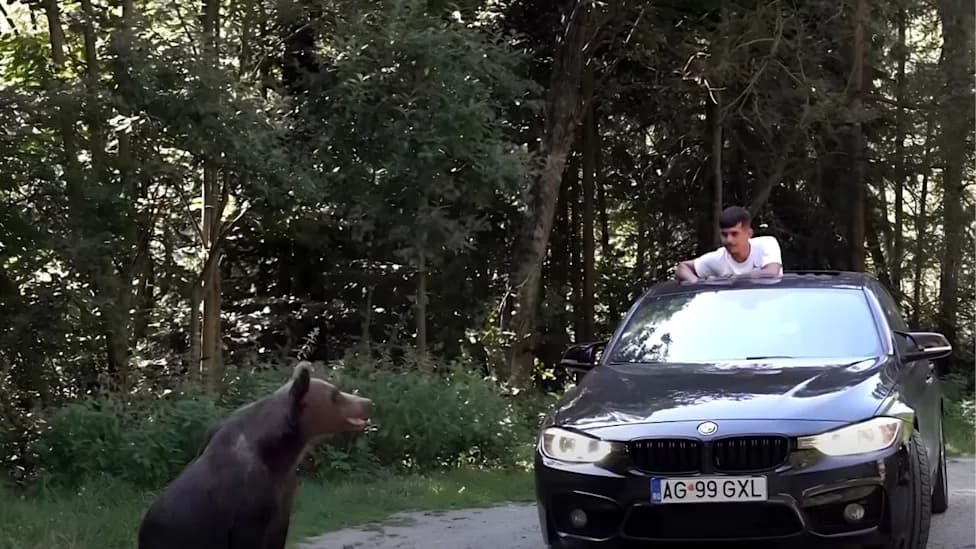
Image Credit: Reuters Facebook.
Romania’s celebrated Transfăgărășan Highway — a winding, high-altitude road through the Carpathians — has become an increasingly common site for brown-bear encounters. Motorists routinely stop along the route to feed and photograph bears, even when signs clearly state that feeding wildlife is illegal.
In one three-hour window in July, at least 20 bears emerged from the forest and approached parked vehicles, according to video shared by Reuters. Several animals walked directly up to cars after learning to expect food from visitors, creating traffic backups and dangerous situations for both people and wildlife.
Government Response
Romanian lawmakers are proposing to nearly double the national bear-hunting quota to roughly 900 animals for 2026–27, saying the increase is intended to reduce the risk of lethal human-bear encounters and control population pressures near populated areas.
Conservation Concerns
Conservationists warn that increasing hunting quotas alone will not fix the problem. They say hunting risks targeting trophy animals deep in the forest while leaving habituated bears — those that approach towns and cars — as the primary safety threats. Since 2021, local officials have had authority to kill bears that repeatedly enter private gardens and homes.
What Experts Recommend
Wildlife advocates and local officials are calling for a multi-pronged approach: stronger enforcement of feeding bans, clear signage and fines for offenders, improved waste and rubbish management (secure bins and regular collection), and expanded use of electric fencing around vulnerable properties. Public education campaigns and better-managed tourist behavior are also cited as essential to prevent bears from becoming food-conditioned.
Scale and Risk
A preliminary DNA-based estimate places Romania’s brown-bear population between 10,000 and 13,000 — the largest in Europe outside Russia. The Environment Ministry reports nearly 30 deaths from bear encounters in Romania over the past two decades. Expanding development, human activity in bear habitat, and changes in food availability are pushing more bears toward roads and settlements.
Video footage shows groups of brown bears beside the Transfăgărășan as drivers slow or stop; many of the animals approach vehicles directly after being fed by people.
Practical Steps For Visitors
If you visit the Transfăgărășan: never feed or approach wildlife, keep a safe distance, secure food and rubbish in closed containers, follow local signage and guidance, and report habituated animals to authorities. Reducing intentional and accidental food sources is the most immediate way to reduce dangerous encounters.
Addressing roadside bear sightings and the broader human–bear conflict will require coordinated policy, enforcement and community-level prevention measures rather than a single solution.
Help us improve.