Gen. Christopher LaNeve, acting Army chief since April, may lack enough Republican votes in the Senate to win permanent confirmation, the Wall Street Journal reports. Republicans including Sen. Joni Ernst have expressed concern that LaNeve has been a four‑star general for only about six months, well short of the 18 months many chiefs have served at that rank. The Pentagon says it supports LaNeve and will work with the White House and Senate on confirmation, but a failed confirmation would mark a significant intraparty rebuke of Defense Secretary Pete Hegseth amid broader criticism over U.S. strategy in Iran.
Hegseth’s Pick for Army Chief May Lack GOP Votes, Highlighting Intraparty Pushback

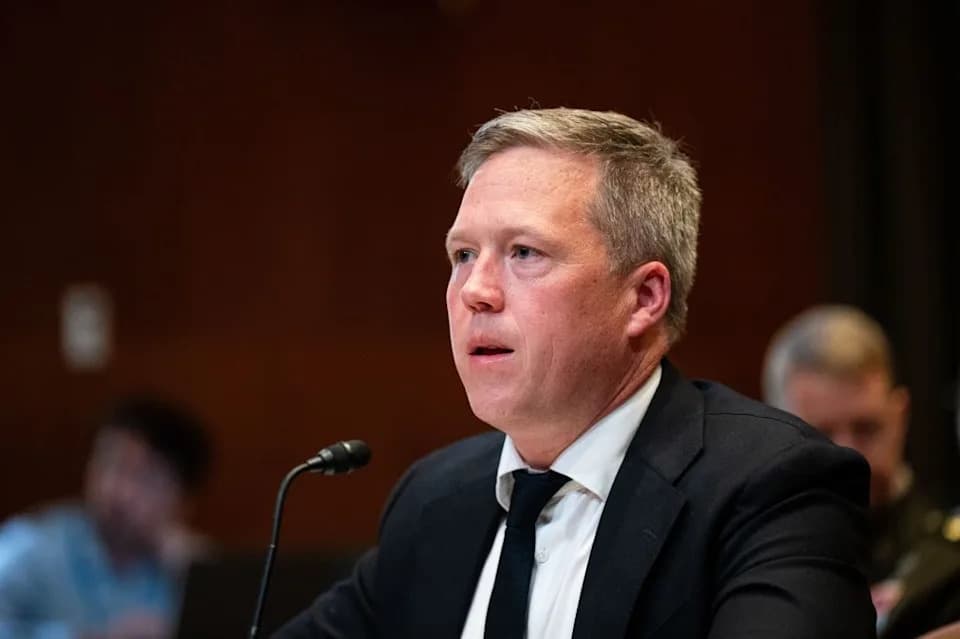
Gen. Christopher LaNeve has been serving as acting Army chief of staff since April but may not have sufficient Republican support in the Senate to secure the role full-time (Getty)
Defense Secretary Pete Hegseth’s preferred nominee for Army chief of staff, Gen. Christopher LaNeve, may not have enough Republican support in the Senate to win permanent confirmation, according to a Wall Street Journal report. LaNeve has served as acting Army chief since April after the dismissal of Gen. Randy George.
Background
Hegseth moved quickly to elevate LaNeve after making leadership changes in the Army. The secretary sought to formally nominate LaNeve in May, but Senate Armed Services Committee Chairman Sen. Roger Wicker (R-Miss.) told him the nominee did not have the votes to secure confirmation.
Senate Concerns
Several Republican senators, including Sen. Joni Ernst (R-Iowa), have expressed unease about LaNeve’s rapid rise. The committee’s concerns center on tenure at grade: LaNeve has been a four-star general for roughly six months, while many recent chiefs of staff spent about 18 months at that rank before assuming the Army’s top uniformed post.
Pentagon Response and Process
Chief Pentagon spokesman Sean Parnell told the Journal that Hegseth and the Department of Defense "stand behind Gen. LaNeve's leadership as Acting Chief of Staff of the Army." Parnell added that the department would "continue to work with the White House and the Senate to nominate and ultimately confirm President Trump's pick to lead the United States Army."

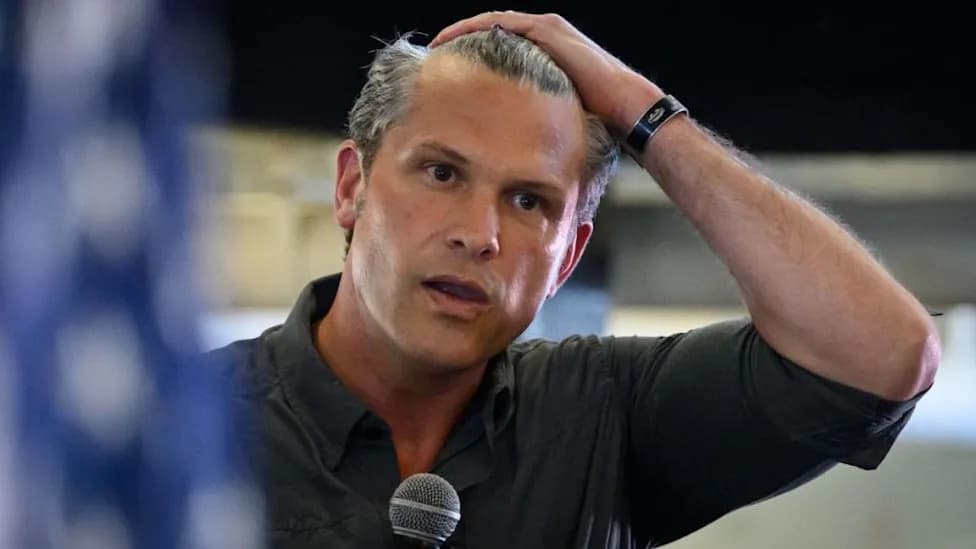
Defense Secretary Pete Hegseth has faced increased opposition from his own side in recent weeks amid widespread unhappiness over the Iran war (AP)
Legally, Hegseth could keep LaNeve serving in an acting capacity indefinitely because no statutory time limit applies to the acting chief role. But a failure to secure Senate confirmation would be a politically significant rejection and an unusual rebuke from members of the secretary's own party.
Wider Political Context
The resistance to LaNeve’s confirmation is happening amid growing criticism of Hegseth within the GOP and on a bipartisan basis. Hegseth faced sharp questioning at a recent Senate Appropriations Committee hearing over a request for an additional $67 billion tied to U.S. operations in Iran, with some senators calling the campaign a "failure" and accusing the administration of negligence. Protesters at the hearing accused officials of having "blood on their hands." Two senior officers later said they believed they had been dismissed after challenging orders, and Sen. Thom Tillis said he lacked confidence in Hegseth's leadership.
Observers also noted LaNeve made a favorable impression on President Trump during a January 2025 video call while commanding U.S. Eighth Army in South Korea. Following that contact, retired Lt. Gen. Keith Kellogg recommended LaNeve as a senior military aide to Hegseth; LaNeve went on to serve as vice chief and then acting chief after successive leadership changes.
As the administration debates whether to expand airstrikes—an approach Hegseth reportedly favors—figures including Vice President JD Vance and Chairman of the Joint Chiefs Dan Caine have questioned what additional strikes would accomplish. The Senate confirmation fight over LaNeve underscores how personnel decisions at the Pentagon are increasingly intertwined with broader policy disputes.
Help us improve.