A BBC investigation found fenbendazole (a veterinary dewormer) and ivermectin (a prescription anti-parasitic) being marketed and sold as unproven cancer treatments, including via online marketplaces and by a stairlift salesman in south Wales. Health charities and oncologists warn there is no clinical evidence these drugs cure cancer and that taking them can harm patients or delay effective care. The MHRA has seized large quantities intended for human use and urges people to consult clinical teams before using unapproved medicines.
BBC Investigation: Animal Dewormer and Scabies Drug Marketed as Unproven Cancer Cures
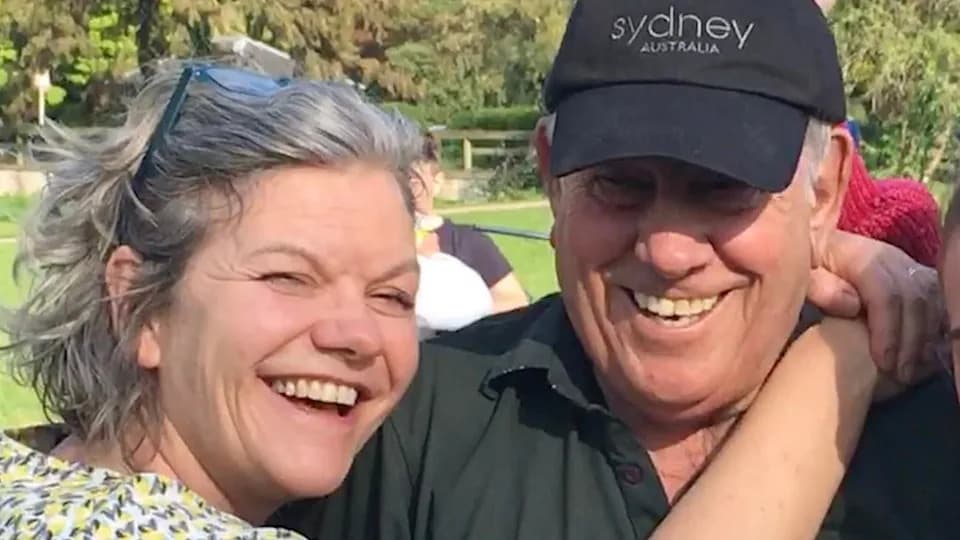
Bob (pictured) had been discussing chair lifts with a salesman when he started talking about the unproven cancer treatment [Rebecca Holder]
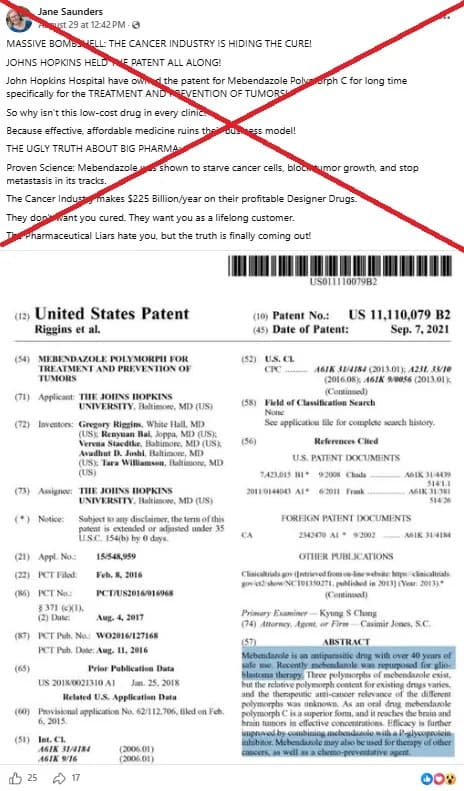
A BBC investigation has found that fenbendazole (an animal dewormer) and ivermectin (an anti-parasitic used to treat scabies) are being promoted and sold as unproven cancer treatments, including via online marketplaces and direct sales in the UK.
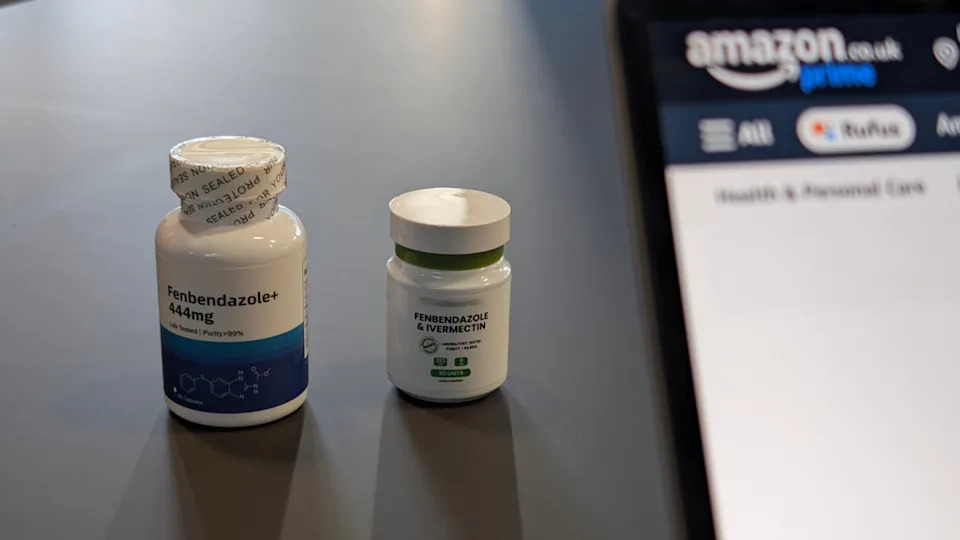
The BBC found fenbendazole and ivermectin on multiple websites offering delivery to UK addresses and successfully made several orders with Amazon [BBC]
The undercover probe discovered a stairlift salesman in south Wales offering the drugs to vulnerable patients and identified multiple online listings — including on Amazon — that offered delivery to UK addresses. Amazon removed listings after being contacted by the BBC.
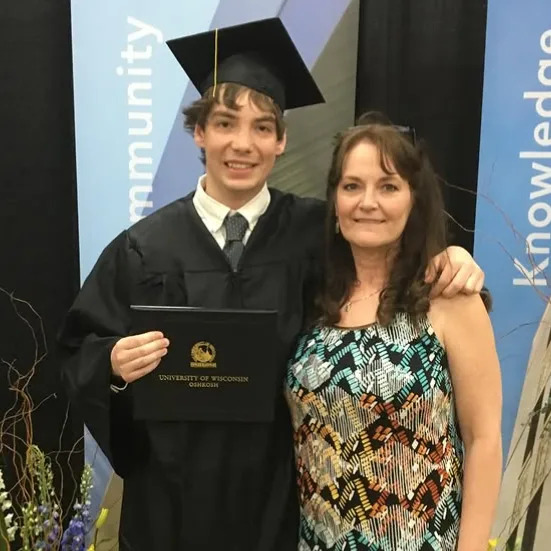
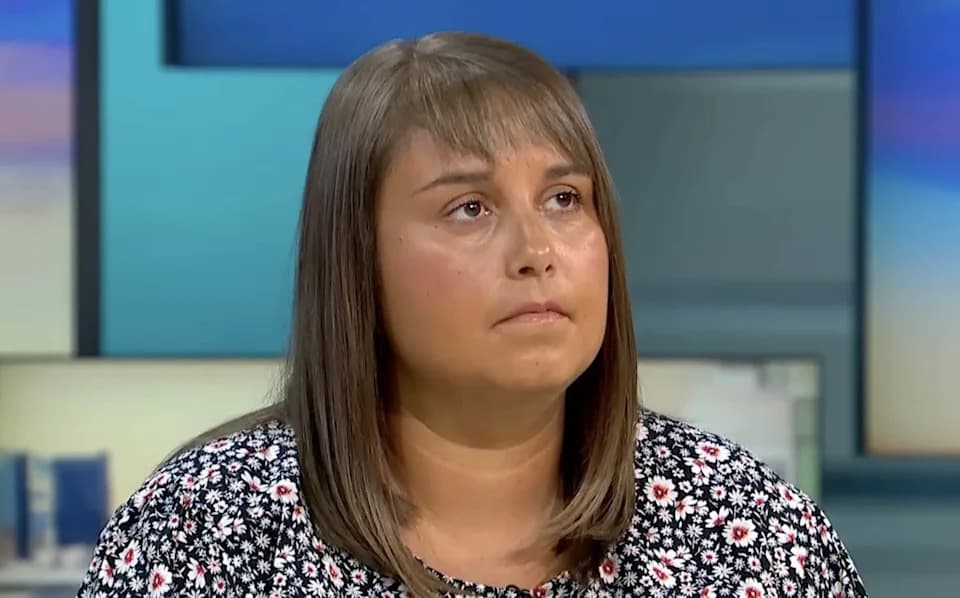
Jared says his mother put her hope into the drugs instead of seeing an oncologist [Jared Wright]
How the Sale Happened
According to the BBC report, a stairlift salesman, Jason Sarver, discussed fenbendazole and ivermectin with a customer whose father had a brain tumour and lung cancer. An undercover reporter posing as a relative was later sold both medicines for £100, which the seller described as a "two to three months' supply." The seller said he was not a doctor and was repeating what he had heard, but nevertheless offered the drugs to patients he met through his work.
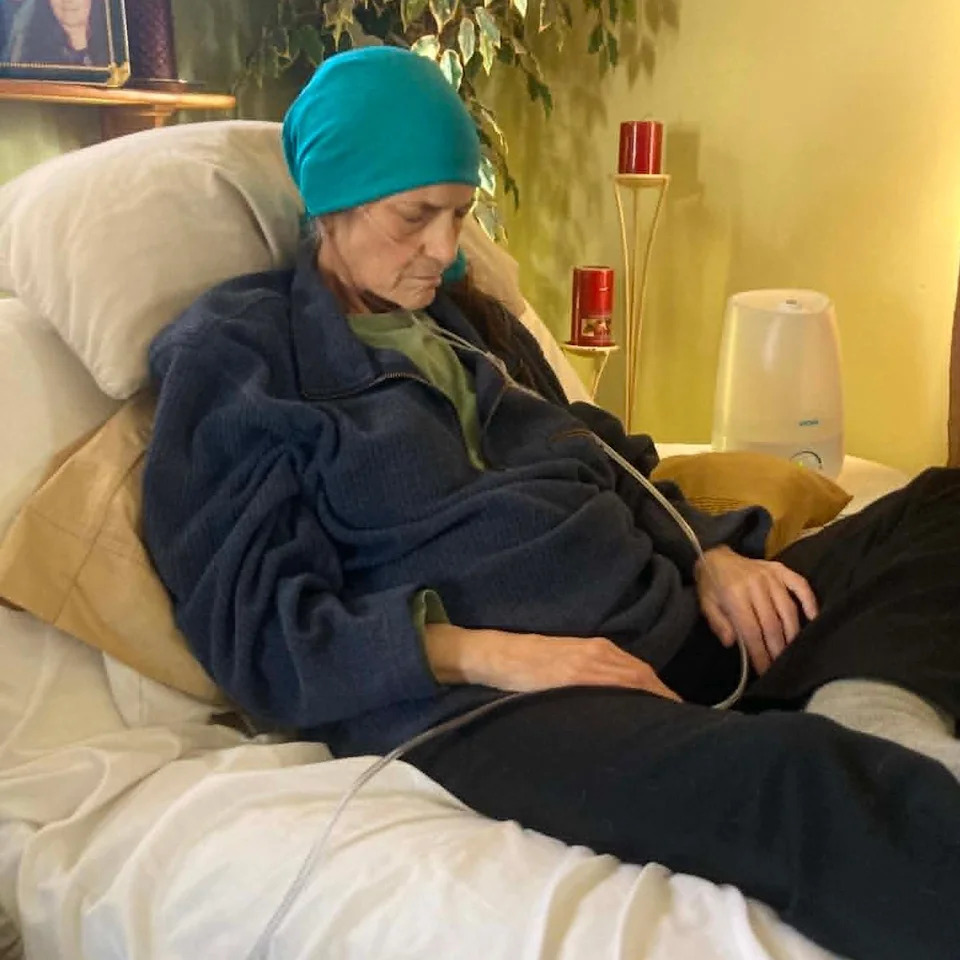
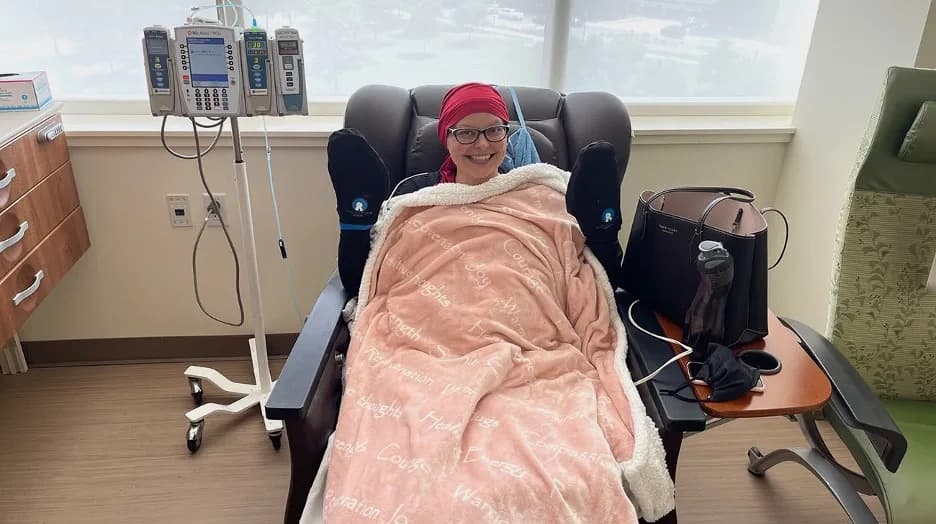
Kelly put her faith in ivermectin and fenbendazole in the hope of a cure [Jared Wright]
What the Drugs Are — And Their Legal Status
- Ivermectin — A prescription-only anti-parasitic in the UK, licensed to treat conditions such as scabies. It is not licensed for cancer treatment, and clinical trials have not shown benefit for Covid-19 despite earlier claims.
- Fenbendazole — A veterinary dewormer not licensed for human use in the UK. Small quantities may be purchased for animals under rules managed by the Veterinary Medicines Directorate, but it is not approved as a cancer therapy.
Evidence, Risks and Expert Warnings
Major cancer charities and clinicians warn there is no reliable clinical evidence that these drugs treat cancer in people. Macmillan Cancer Support described the claims as having "zero real-world clinical evidence." Cancer Research UK noted only preliminary laboratory or animal data exist for fenbendazole, which do not prove human benefit.
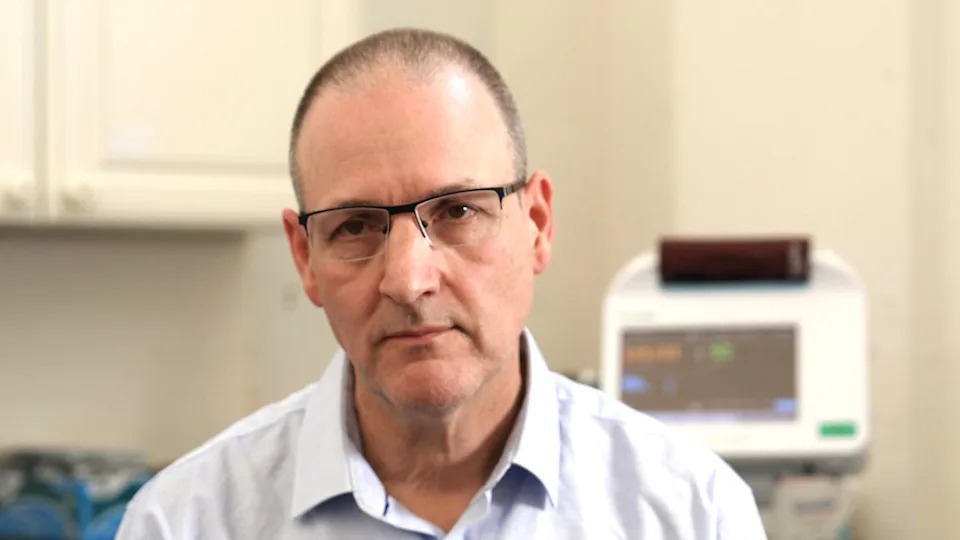
Consultant oncologist Martin Rolles says unproven drugs could make cancer treatment toxic or less effective [BBC]
"We're worried that they're not getting up-to-date and effective and accurate information about what these drugs are capable of," said Professor Richard Simcock, Macmillan's chief medical officer. "If someone is thinking about taking these drugs, we'd really urge them to talk to their clinical team."
Consultant oncologist Martin Rolles warned that unproven medicines can interact with conventional cancer treatments, increasing toxicity or reducing effectiveness, and that drug side effects could prevent patients from receiving proven therapies.
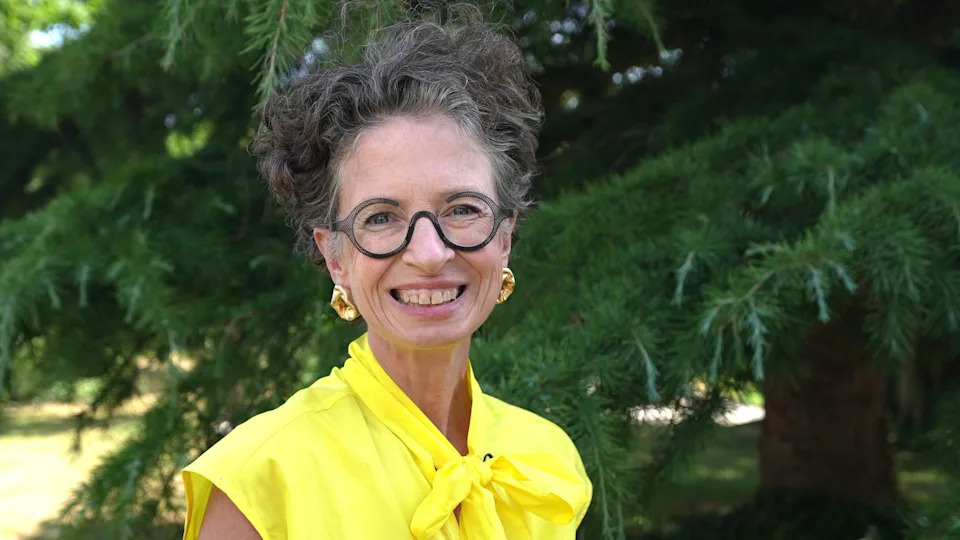
Liz O'Riordan says she has seen people die after believing anecdotes about unproven cancer treatment [BBC]
Real-World Consequences
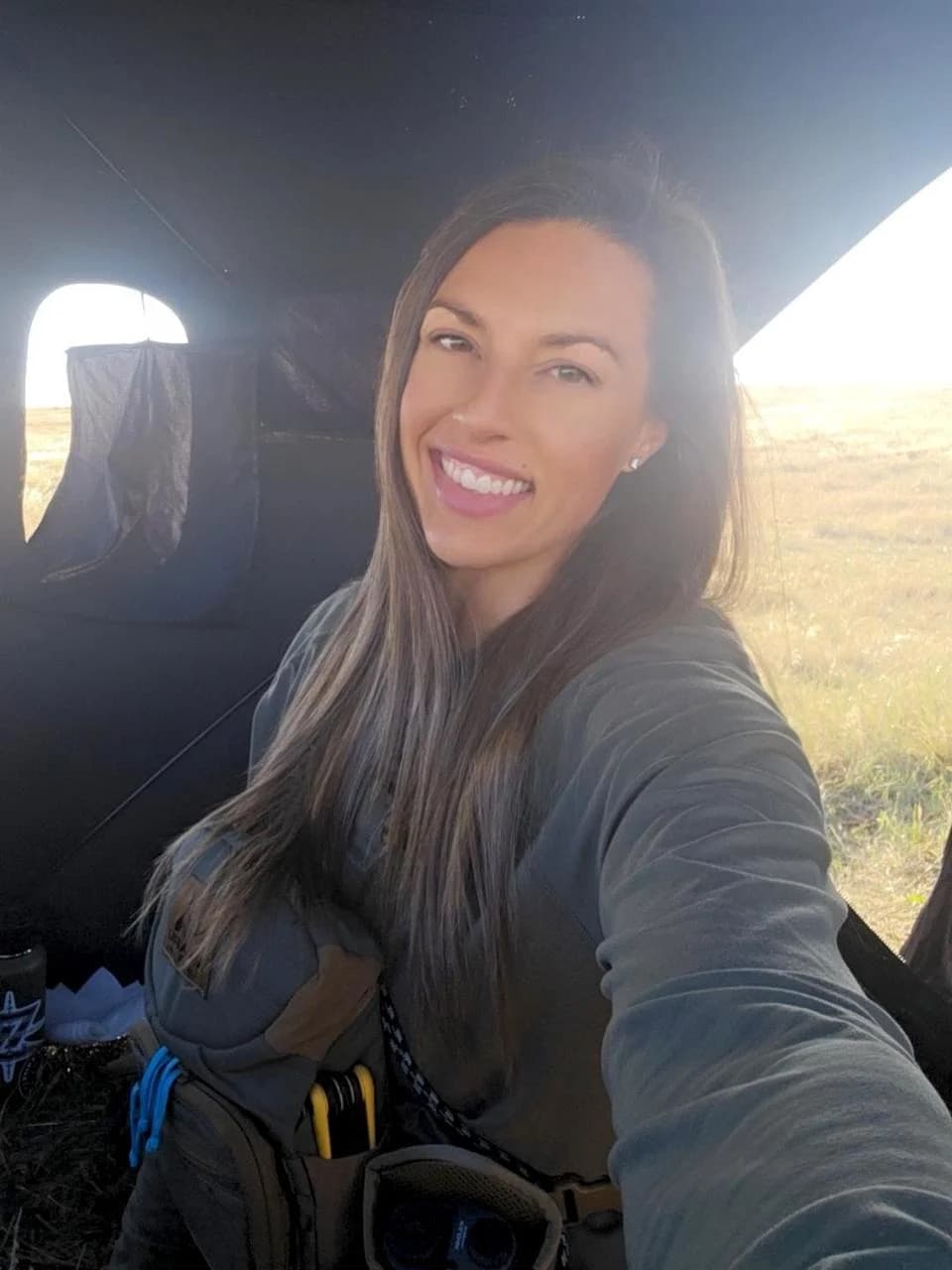
The BBC interviewed a US family who say their mother chose ivermectin and fenbendazole instead of conventional oncology care. Jared Wright told reporters his mother, Kelly, took the drugs after reading online claims and subsequently died; he blamed misinformation and a decision to avoid an oncologist.
The MHRA (Medicines and Healthcare products Regulatory Agency) said supplying prescription-only medicines without authorization is an offence under the Human Medicines Regulations 2012. Where veterinary medicines are supplied for human use or prescription drugs are sold by unqualified sellers, the regulator can take enforcement action, including criminal investigation and prosecution. Since 2024, working with Border Force, the MHRA has seized 27,500 doses of fenbendazole and 124,000 doses of ivermectin intended for human use.
Why Anecdotes Spread
Experts say personal stories and social-media videos — sometimes viewed by thousands or millions — amplify unproven claims. High-profile anecdotes, including remarks on US podcasts, have contributed to the drugs' reputation as "miracle cures," despite lack of clinical proof.
Practical Advice
If you or a loved one is considering these medicines:
- Talk with your oncology team or pharmacist before taking any unapproved medicines.
- Be wary of anecdotal claims and social-media testimonials that lack clinical evidence.
- Report suspicious online sellers to the platform and to your national regulator (for the UK, the MHRA).
The BBC contacted the stairlift salesman named in the investigation for comment; he declined to comment.
Help us improve.