The University of Aberdeen and NHS Grampian are launching a pilot to offer saliva-based BRCA testing to people in Scotland with a grandparent from Westray (Orkney) or Whalsay (Shetland). The £365,000 programme, funded by eight NHS-run charities (Friends Of Anchor provided £137,000), will start in Orkney next year, proceed to Shetland and reach the mainland in 2028. Researchers estimate the Westray BRCA1 variant affects about 1 in 25–50 descendants and the Whalsay BRCA2 variant about 1 in 40; expanded testing aims to enable earlier detection, counselling and preventive care.
Scots With Island Grandparents Offered BRCA Gene Screening in New Scotland-Wide Pilot
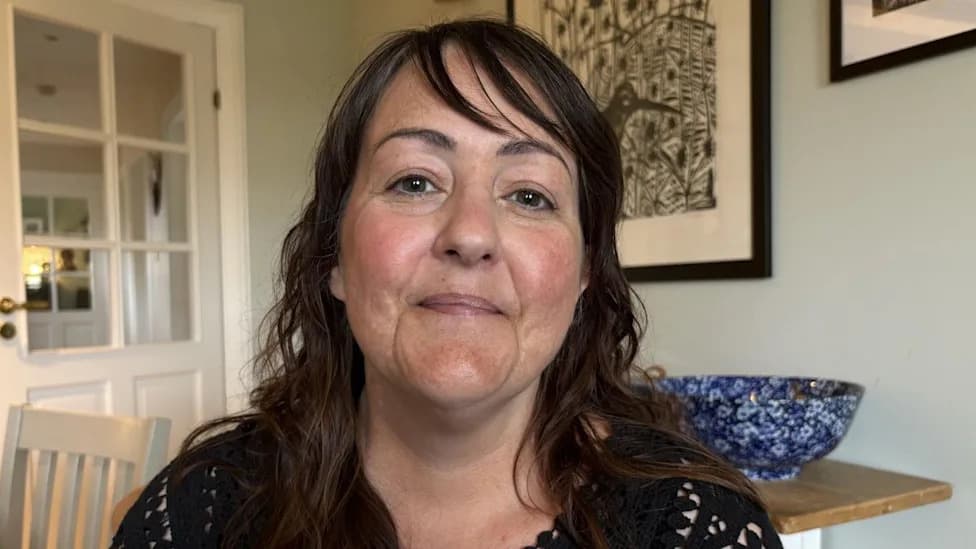
Kelly Davison's maternal family are from Whalsay [BBC]
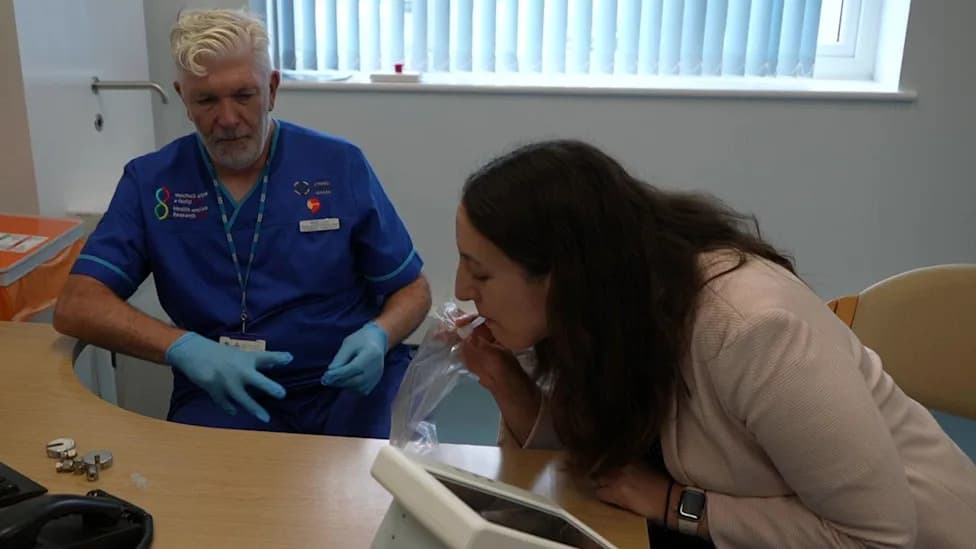
People in Scotland who have a grandparent from Westray (Orkney) or Whalsay (Shetland) will be invited to take a saliva test to screen for BRCA gene variants linked to breast, ovarian and prostate cancer. The pilot, led by the University of Aberdeen and NHS Grampian and funded by a coalition of NHS-run charities, aims to expand access to genetic testing and preventative care.
Why This Matters
Researchers previously identified a BRCA1 variant common among people with Westray ancestry and a distinct BRCA2 variant traced to Whalsay. The Westray BRCA1 change is estimated to affect about 1 in 25–50 descendants and is associated with increased breast and ovarian cancer risk in women. The Whalsay BRCA2 change is thought to be present in about 1 in 40 descendants and is linked to higher risk for women and to breast and prostate cancer in men.
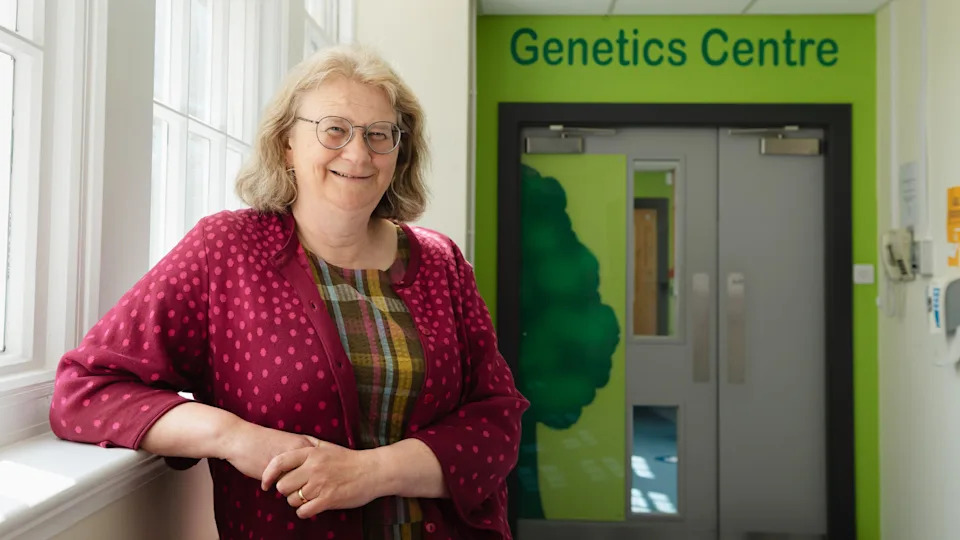
Prof Zosia Miedzybrodzka says the screening could lead to preventative care [Friends of ANCHOR]
Personal Stories
Kelly Davison, whose maternal grandparents were from Whalsay, welcomed the wider testing. Living in Orkney, she said the family history had long concerned her, recalling that her grandmother had breast cancer at 70 and underwent a mastectomy. Kelly added that broader access to testing will benefit many families and help with preventative care decisions.
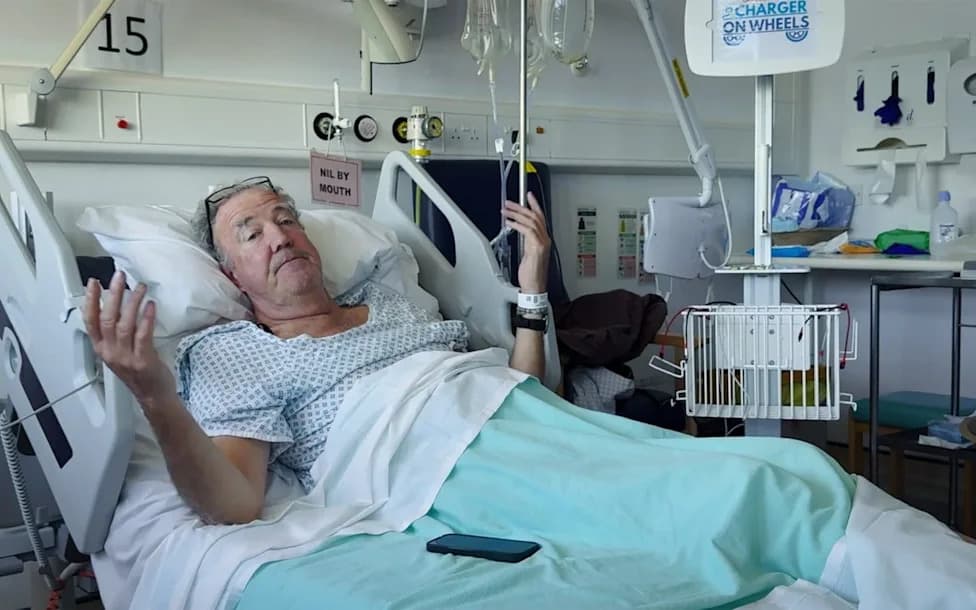
John Arthur Poleson, a fisherman from Whalsay who took part in earlier screening via the Viking Genes project, discovered he carried the BRCA2 variant. After reporting urinary symptoms he was diagnosed with prostate cancer and successfully treated. His experience highlights how testing can prompt earlier medical attention and cascade testing for relatives.
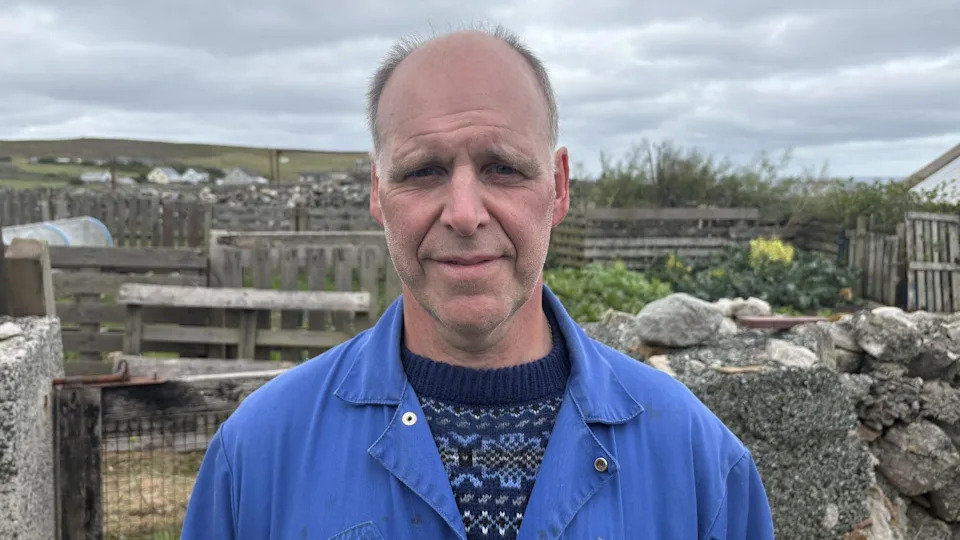
John Arthur Poleson says a test helped to identify his prostate cancer [BBC]
Pilot Details and Rollout
The new pilot is funded with £365,000 from eight NHS-run charities, including a £137,000 contribution from Friends of Anchor for testing in the Northern Isles. Testing will begin in Orkney next year, then move to Shetland, with a mainland Scotland rollout planned for 2028. Anyone in Scotland with a grandparent from Westray or Whalsay will be eligible to request a saliva test under the programme.
What Screening Offers
Expanded testing will allow clinicians to provide genetic counselling, tailored screening and referral into local genetics services. For women found to have BRCA variants, options may include more frequent surveillance and risk-reducing surgery. Men who test positive for the BRCA2 variant will be eligible for two-yearly PSA tests between ages 50 and 65; a male diagnosis can also alert female relatives to their potential increased risk.
Partnerships and Next Steps
The project team includes the University of Aberdeen, NHS Grampian, the North of Scotland Genetic Service and links with initiatives such as Viking Genes and NHS Inform. Organisers describe the funding collaboration as a unique partnership that pools donations to identify people at increased genetic risk and to enable earlier intervention.
It's amazing that testing is getting opened up to this next level. It'll benefit so many people.
Further information: people with questions about eligibility or the pilot timeline should consult NHS Inform or local genetics services once the programme is announced publicly.
Help us improve.