
U.S. Intelligence Activity Increases In Cuba. Sources told Politico the Trump administration has expanded covert agent networks and surveillance flights around Cuba, boosting the CIA's on-island presence. While some officials view the buildup as a potential precursor to larger military options, no formal invasion plans have been reported. The move follows months of economic and diplomatic pressure, including an indictment of Raúl Castro and a U.S. State Department report accusing Cuba of subversion.
Report: U.S. Expands Spy Network in Cuba as Officials Weigh Military Options
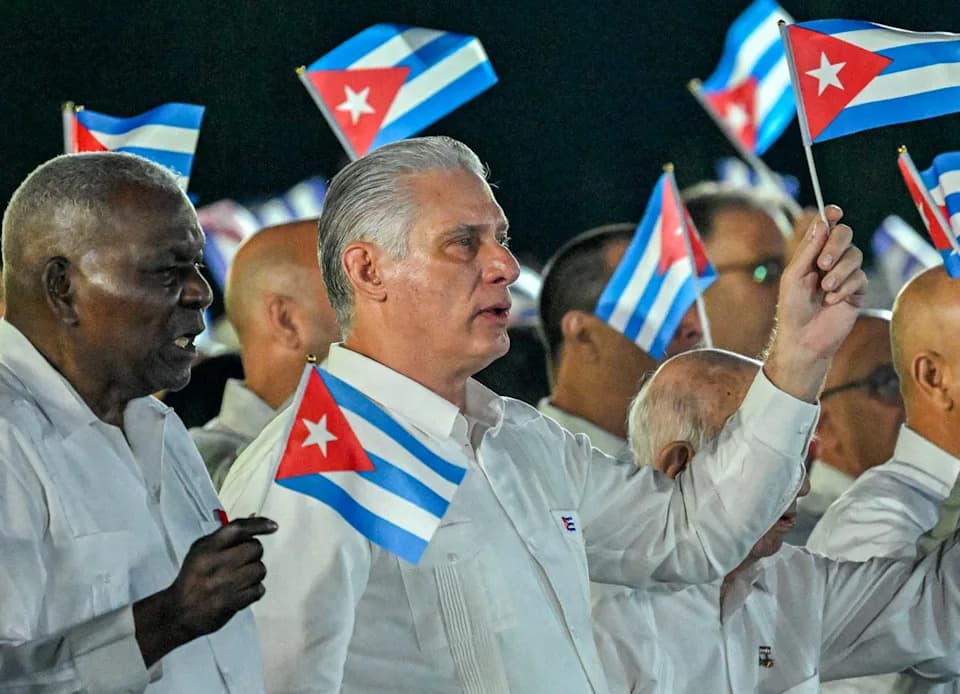
Cuban President Miguel Díaz-Canel has refused to step down or give into US President Donald Trump's demands to change the Cuban government (AFP/Getty)
The United States has stepped up intelligence activity in Cuba, expanding covert agent networks on the island and increasing surveillance flights, according to reporting by Politico. Officials familiar with the matter say the buildup is intended to put pressure on Havana; some view it as a possible prelude to larger military options, though no formal plans have been finalized.
What Officials Say
Sources told Politico that over recent months the Trump administration has deployed additional intelligence personnel to Cuba. One source described the activity as reinforcing the Central Intelligence Agency's "presence" in the country, but provided no further specifics.
Surveillance Flights And Longstanding Operations
Media accounts more than two months earlier, including reporting by CNN, also noted a rise in U.S. surveillance flights around and near Cuba—actions described as a signal to Cuban authorities that Washington was closely monitoring unfolding events. The United States has conducted intelligence operations in Cuba for decades; such methods typically include recruiting local sources for human intelligence and using U.S. military aircraft and drones for aerial surveillance.
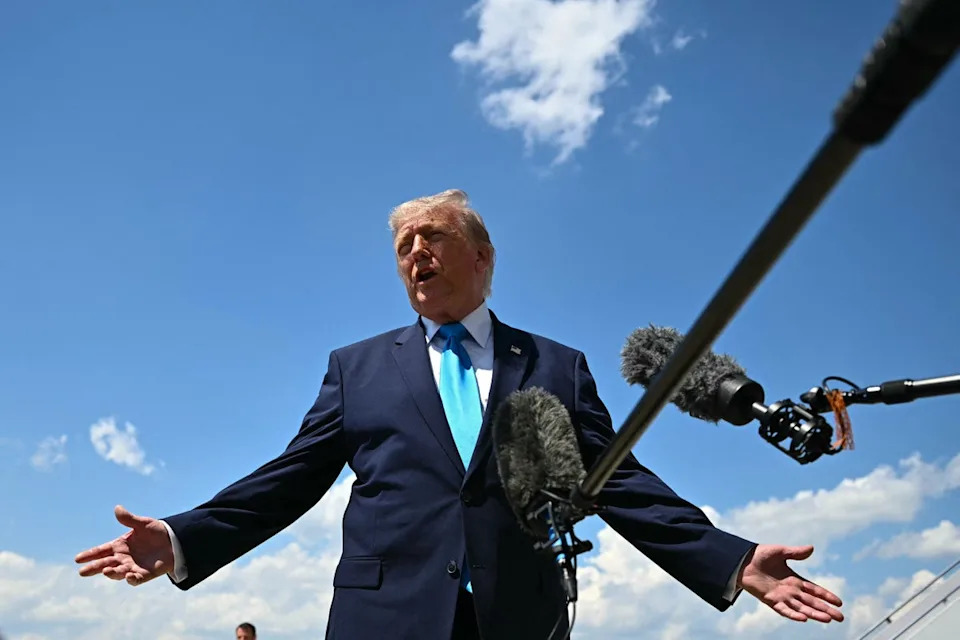
Trump has touted, for months, that Cuba is on the brink of collapse and insinuated that the US is prepared to stage a military intervention to change its government (AFP/Getty)
Context: Economic Pressure And Diplomatic Moves
Cuba has experienced deepening shortages since an effective cutoff of oil supplies earlier this year, a situation that has strained hospitals, caused widespread power outages and disrupted municipal services. The U.S. has pursued legal and diplomatic pressure as well: authorities filed an indictment last month charging former leader Raúl Castro with murder, and the State Department released a report accusing Cuba of a "sustained campaign of subversion" linked to a left-leaning network of individuals and organizations.
Cuban Response: Cuban President Miguel Díaz-Canel has publicly rejected U.S. demands that he step down or change course, accusing Washington of trying to harm ordinary Cubans and refusing to make concessions to placate the U.S.
Operational Constraints And Caveats
Officials caution that the precise scope of recent intelligence collection is difficult to confirm publicly because such operations are deliberately discreet. Politico also reported that CIA and allied intelligence activities have been complicated in some instances by the so-called "Havana syndrome," which has affected personnel and deployments.
The Independent has contacted the CIA and the Office of the Director of National Intelligence for comment but had not received an immediate response. Reporting to date relies on anonymous officials and public signals such as increased flights; there is no public evidence of a finalized plan to mount a military invasion.
Implications
While the deployment of additional intelligence personnel and surveillance assets increases pressure on Havana, it remains unclear whether this activity is preparatory to direct military action or intended primarily as a signaling measure. Analysts say the developments underscore heightened tensions between Washington and Havana, with significant humanitarian and geopolitical risks if the situation escalates.
Help us improve.





















