The Supreme Court's October calendar launches the 2026-27 term with a high-profile Colorado climate lawsuit against oil and gas companies on Oct. 5. Over five days the justices will hear seven cases touching on prolonged immigration detention, interpretation of the Video Privacy Protection Act, ERISA fiduciary duties, veterans’ benefits challenges, environmental review procedures for unexploded ordnance on Guam, and sentencing-guidelines precedent. These matters raise major questions about federal jurisdiction, constitutional protections, and statutory interpretation with broad national implications.
Supreme Court Opens 2026-27 Term With Major Climate, Detention and Privacy Cases
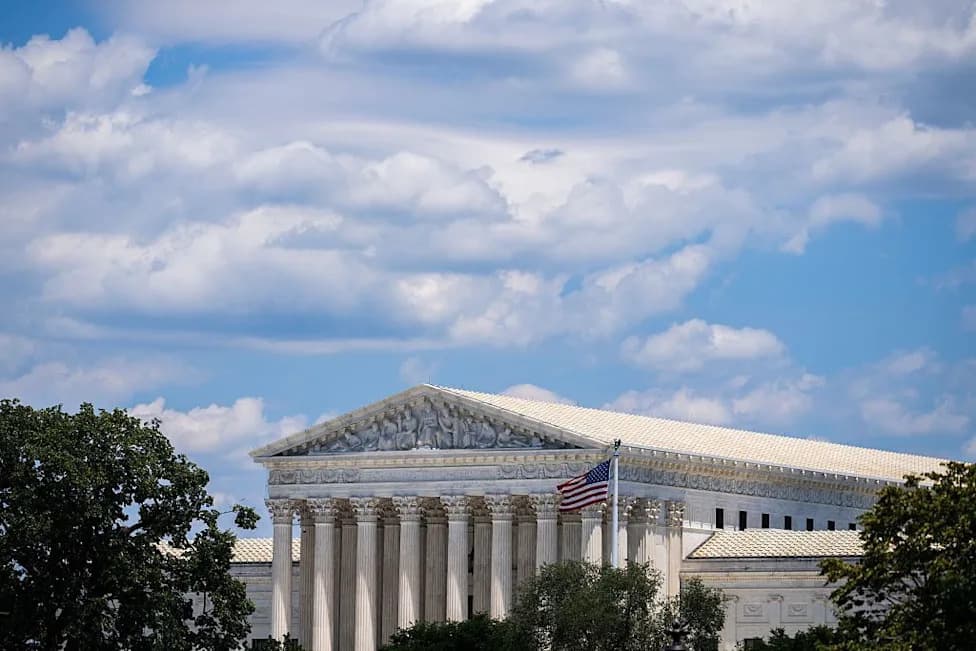
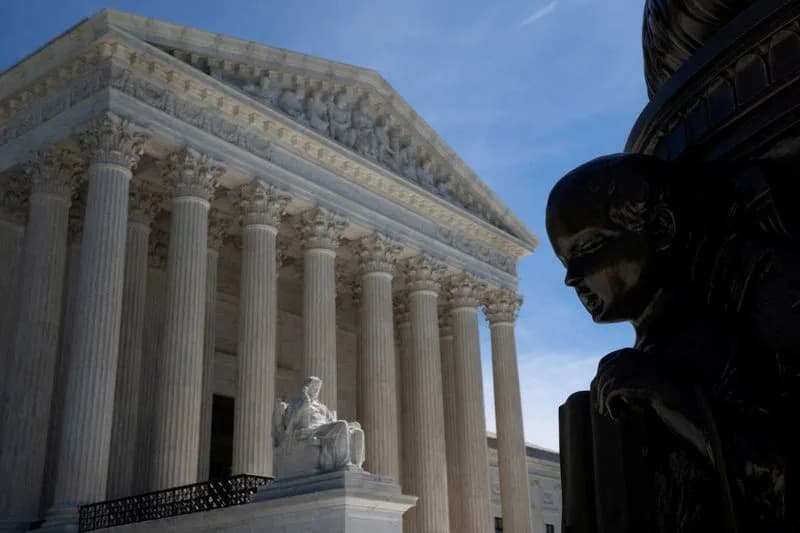
(Tom Williams/CQ-Roll Call, Inc via Getty Images)
The Supreme Court will open its 2026-27 term in October with a slate of seven cases that address high-stakes legal questions ranging from corporate responsibility for climate change to the constitutional limits on immigration detention and the scope of an old privacy statute.
Overview
The court's October argument calendar, released Tuesday, shows Suncor Energy (U.S.A.) v. Commissioners of Boulder County as the first case on Monday, Oct. 5 — the traditional start of the Court's term. Boulder County is seeking millions of dollars from oil and gas companies for alleged contributions to global greenhouse-gas harms. The October sitting will feature seven arguments across five days and includes disputes with broad implications for federal jurisdiction, individual rights, and statutory interpretation.
October Argument Schedule
Suncor Energy (U.S.A.) v. Commissioners of Boulder County (Oct. 5) — Whether federal law preempts state-law claims seeking damages for harms allegedly caused by interstate and international greenhouse-gas emissions affecting the global climate, and whether the Supreme Court has jurisdiction to hear the case.
Johnson v. United States Congress (Oct. 5) — Whether federal district courts may hear constitutional challenges to federal statutes that affect veterans' benefits and what judicial authority applies to such challenges.
Anderson v. Intel Corp. Investment Policy Committee (Oct. 6) — A dispute over the pleading standards required to allege that an ERISA fiduciary breached the duty of prudence based on the alleged underperformance of an investment fund.
Department of the Air Force v. Prutehi Guahan (Oct. 7) — Whether an environmental group may challenge the Air Force's renewal application for a permit to dispose of unexploded ordnance before Guam’s EPA has acted, and whether the Air Force was required to prepare an environmental impact statement prior to submitting the application.
Beaird v. United States (Oct. 13) — Whether a 1993 precedent governing how courts treat commentary to the Sentencing Guidelines continues to bind lower courts.
Genalo v. Black (Oct. 13) — Whether prolonged detention of a noncitizen can become "unreasonably prolonged," creating a constitutional right to a bond hearing; whether a "clear and convincing evidence" standard applies at such a hearing; and whether the case is moot because the detainee was released in 2022.
Salazar v. Paramount Global (Oct. 14) — How to interpret the phrase "goods or services from a video tape service provider" in the Video Privacy Protection Act: whether it covers all goods and services offered by a provider or only its audiovisual goods and services.
Why These Cases Matter
Collectively, these cases could reshape the legal landscape for climate liability, clarify the constitutional protections surrounding extended immigration detention, refine pleading standards in employee-benefits litigation, and update an aging privacy statute to reflect modern media services.
The October arguments will be watched closely by states, municipalities, corporations, advocates and civil-rights groups because the Court's rulings could have nationwide effects on litigation strategy, agency review processes, and individuals' rights.
Help us improve.