Science: A New Golden Age — the White House OSTP report — proposes a major shift in U.S. research policy from investigator-led basic science toward commercialization, large mission-focused teams, and executive-directed priorities. Rather than centering hydrocarbons, the plan elevates nuclear energy alongside AI and quantum technologies as a strategic priority. Critics warn this approach risks politicizing science, diminishing basic research, and reshaping academic independence, even as policy moves such as the ADVANCE Act already push toward faster advanced-nuclear deployment.
White House Roadmap Elevates Nuclear as Cornerstone of a 'New Golden Age' — What It Means for U.S. Science

A new report from the Trump White House lays out what many in the scientific community view as a darker vision for the future of American science. (Photo by Kevin Dietsch/Getty Images)Getty Images
A new White House report from the Office of Science and Technology Policy (OSTP), Science: A New Golden Age, has prompted sharp criticism from many U.S. scientists. The document outlines a sweeping reorientation of American research policy that favors commercialization, large mission-driven teams, and strategic priorities tied closely to national competitiveness and defense.
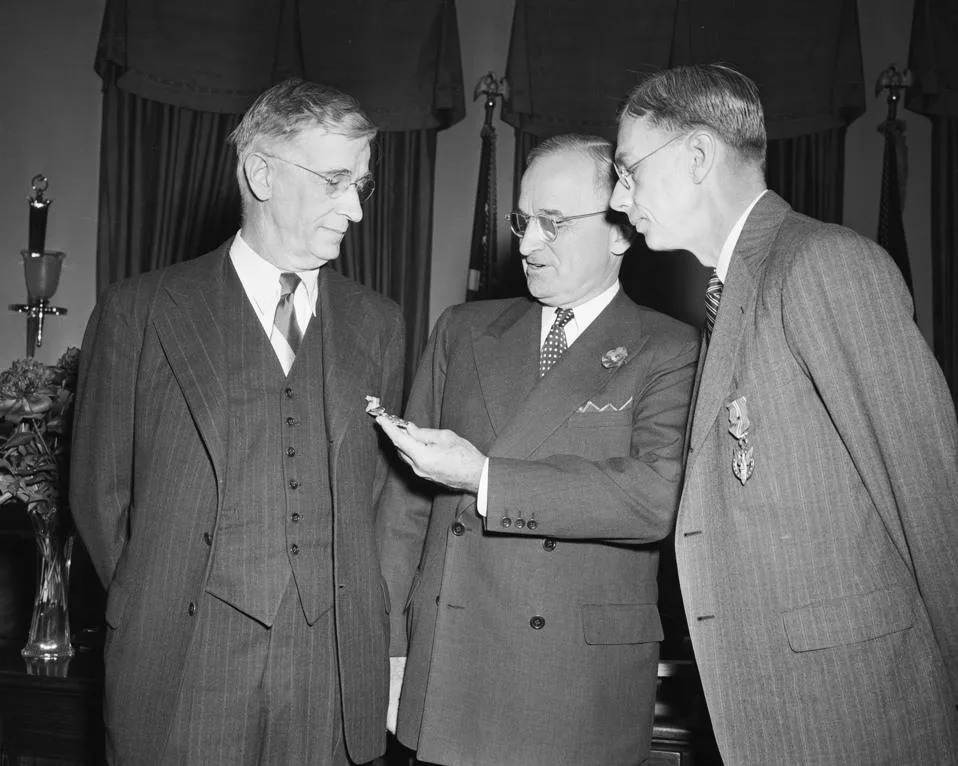
President Truman presenting in 1948 the medal for Merit and Bronze Oak Leaf cluster to Vannevar Bush (left) for his work in atomic research during the war and his report Science: The Endless Frontier (1945). Looking on (right) is James Bryan Conant.
What the Report Proposes
The OSTP plan calls for major changes to how research is funded and evaluated: shifting support away from investigator-led basic research at leading universities, prioritizing big, goal-oriented team grants that target "grand challenges," emphasizing physical sciences over other disciplines, and exploring alternatives to traditional peer review. Science magazine summarized the proposals as a fundamental rewrite of the postwar research compact that has underpinned American innovation for decades.
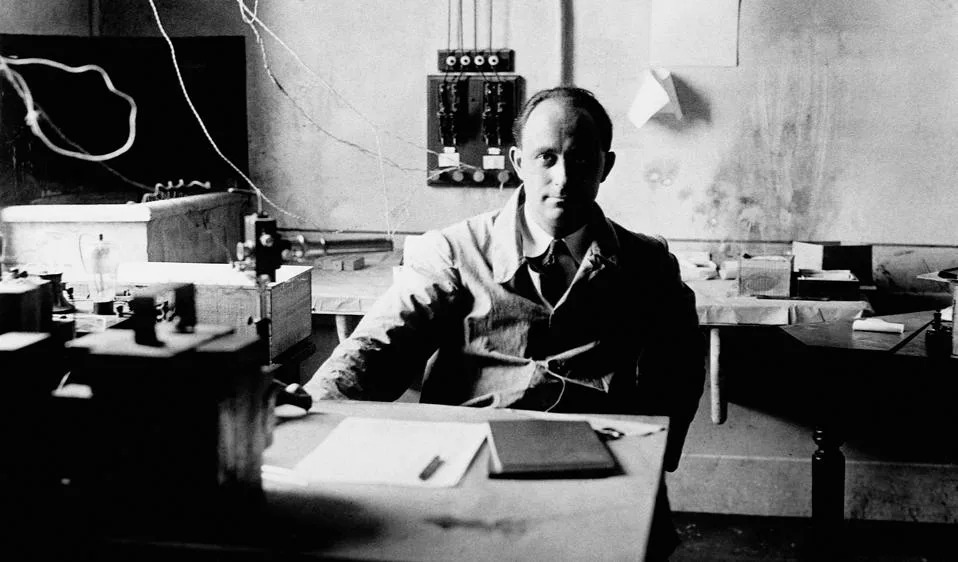
Italian nuclear physicist Enrico Fermi (1901-1954) was the first man to build an atomic reactor. He received the Nobel Prize for physics in 1938. He and his wife, who was Jewish, sailed from the awards ceremony in Stockholm directly to the U.S., to avoid the Fascists. (Photo by © CORBIS/Corbis via Getty Images)
Nuclear, Not Oil, at the Center
Although the administration’s political rhetoric often celebrates shale and other hydrocarbon resources, the OSTP blueprint puts nuclear energy—fission and fusion—at the center of its vision. Nuclear is named alongside artificial intelligence and quantum information science as one of three fields where the U.S. must "secure its position as the unrivaled world leader." Hydrocarbons such as oil, gas, and coal receive only passing mention.
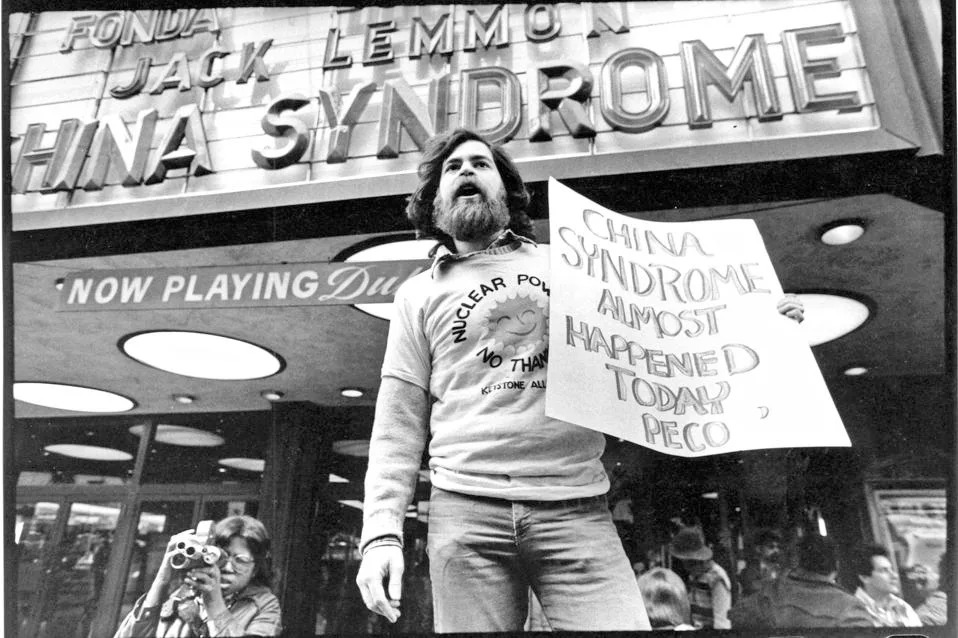
Public opposition was a key reason for increased regulatory measures placed on the nuclear power industry following the accident at Three Mile Island, March 29, 1979. (Photo by Ed Eckstein/Getty Images)
"We built the reactors, trained the engineers, and wrote the safety standards that other nations adopted. Then we regulated the industry into paralysis," the report argues, using nuclear as an example of how regulation allegedly curtailed American technical leadership.
Why Nuclear Plays Heavy Lifting
The report advances four main claims about nuclear's role:
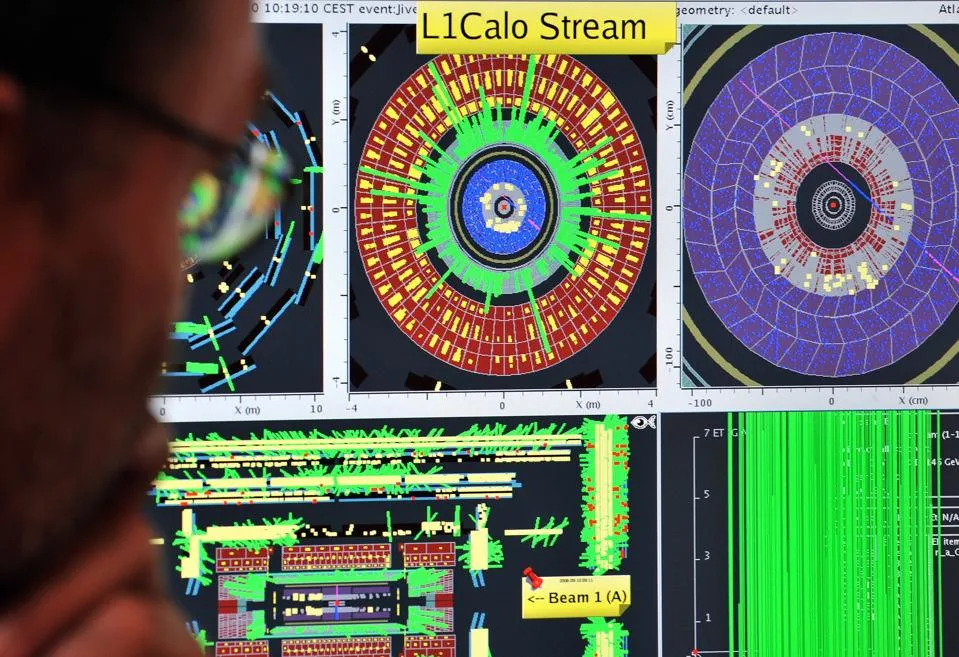
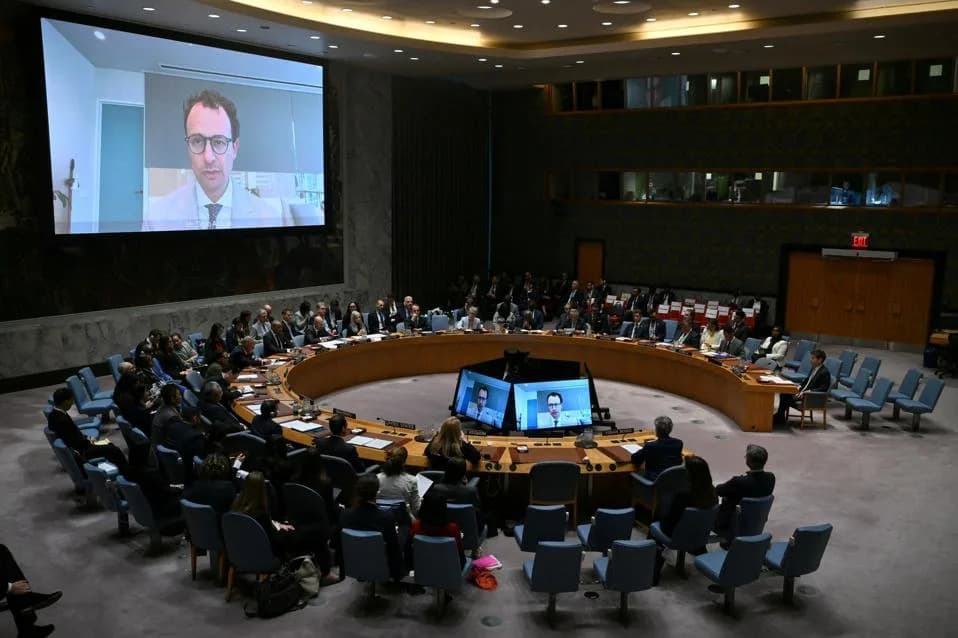
Fundamental inquiry has never ceased to be the core of modern science and source of innovation, whether in the physical or biological disciplines. AFP PHOTO / FABRICE COFFRINI/POOL (Photo credit should read FABRICE COFFRINI/AFP via Getty Images)
- Regulation, not science or technology limits, is the primary constraint on U.S. nuclear progress.
- Nuclear power will supply reliable electricity for energy-intensive infrastructure, including AI data centers and advanced manufacturing.
- The U.S.–China rivalry should be framed as a contest in technological leadership rather than a battle over commodity supplies.
- The plan seeks intellectual continuity with the founding moment of American science policy, while calling for a conversion to a new set of priorities emphasizing commercialization and strategic advantage.
Criticisms and Context
Many scientists object to several aspects of the OSTP vision. Key concerns include:
- A downgrading of investigator-driven basic research, which historically has produced breakthroughs across disciplines.
- Greater political control over science funding and priorities, including proposals that would increase oversight by political appointees and limit international collaboration.
- An emphasis on demonstrable technological products and defense-relevant outcomes at the expense of open-ended discovery.
Some criticisms are also historical and rhetorical. The report’s invocation of the Manhattan Project and the early nuclear era has been questioned for technical accuracy and for downplaying the international and immigrant contributions that were central to those wartime efforts.
Policy Overlap With Prior Actions
The OSTP report amplifies policy approaches that were already emerging. For example, the ADVANCE Act (Accelerating Deployment of Versatile, Advanced Nuclear for Clean Energy), enacted in July 2024, directed the Nuclear Regulatory Commission to streamline licensing, cut fees, modernize safety requirements, and support advanced reactor designs. The new plan accelerates those priorities while foregrounding national-security and economic competition themes and largely avoiding discussion of climate policy as a motivation.
Conclusion
Science: A New Golden Age reframes the role of federal science policy around strategic competitiveness, commercialization, and select technologies—chiefly nuclear, AI, and quantum information. Supporters argue this focus will deliver faster, more visible technological gains and fortify U.S. global leadership. Critics warn the approach risks politicizing research, weakening the foundations of basic science, and subordinating universities' intellectual independence to short-term political goals. If implemented fully, the plan could reshape the research ecosystem in ways that produce winners and losers across disciplines and institutions.
Help us improve.