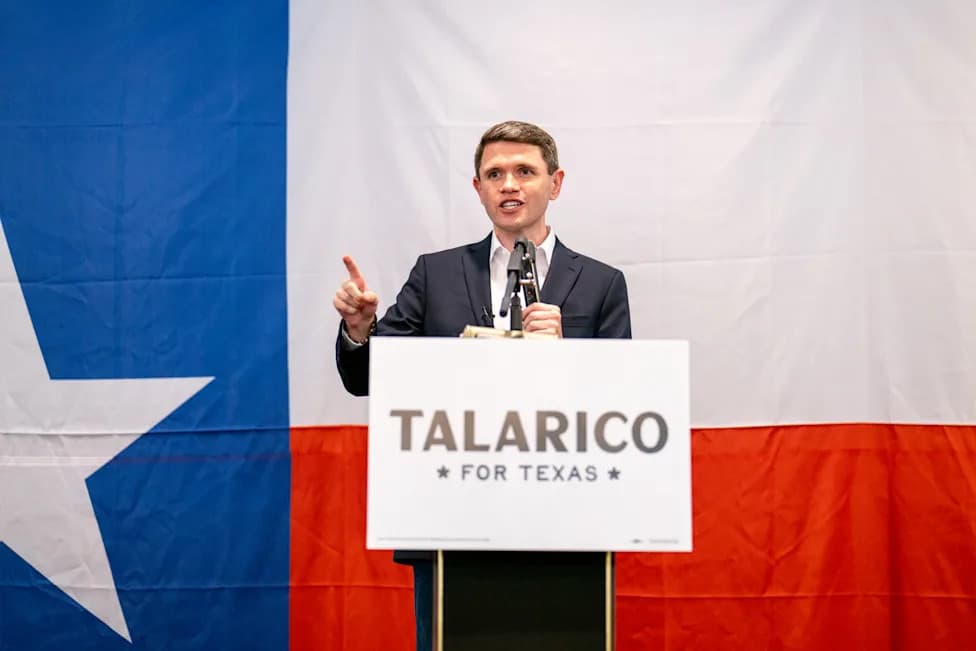
James Talarico spent a border tour listening to residents in West Texas towns such as Alpine, Sanderson and Eagle Pass, using a collapsed well and drought restrictions to highlight urgent local infrastructure needs. He criticized federal spending on a proposed $2 billion wall through Big Bend that could damage the park and local tourism, while advocating a mix of progressive and pragmatic policies: more immigration judges, additional CBP resources and surveillance technology. Talarico’s campaign emphasizes retail politics—face-to-face outreach, humility and concrete local solutions—to win back border communities that shifted right in 2024. The effort seeks to convert everyday concerns about water, health care, jobs and education into broader political traction for Democrats in Texas.
James Talarico Tests Democratic Appeal Along the Texas Border
James Talarico asks if my hand is OK as I try to laugh off the sting. We are parked at the site of a collapsed water well in the rocky outskirts of Alpine, Texas, with the red and ochre cliffs of Big Bend National Park glowing behind us. An hour earlier I had — unintentionally — brushed against a prickly pear leaving a rally in Marfa, and spent the drive digging dozens of brittle spines out of my knuckles while the campaign caravan bumped along a dirt road toward the broken well.
On the Ground in Alpine
Talarico, his staff, and the local officials who joined the visit are dressed for the terrain—long sleeves, jeans, and cowboy boots—to avoid rattlesnakes and the sun. After inspecting the failed well, known locally as Roberts 3, Talarico speaks with Mayor Catherine Eaves, a petite former teacher elected as an Independent in 2022. The well failure pushed Alpine, a town of about 6,000 at the northern edge of Big Bend, into Stage 4 drought restrictions: no personal irrigation, no car washing, no street cleaning, no fountains, and no pool refills. With a small tax base, Alpine often depends on state and federal aid for major infrastructure repairs—and its pleas to Washington have gone largely unanswered.
Instead, the federal government is preparing to spend nearly $2 billion on a border wall that would cut through Big Bend National Park, a move locals say would sever important tourism revenue and damage fragile habitat. Alpine and other communities in the region have become focal points of resistance to that plan.
"It makes zero sense," Eaves tells me. "Everybody in this country should be pissed off. It's our federal taxes ... we're handing it to contractors for something we don't need — whereas, 'Oh, you need drinking water? Figure it out.'"
A Pragmatic Message
Talarico’s Frontera border tour — through Alpine, Del Rio, Eagle Pass and larger land ports such as El Paso, Laredo and McAllen — aims to reframe the conversation away from partisan theater and toward everyday needs. He criticizes both national parties for flattening border communities into single-issue narratives and emphasizes a broader slate of priorities: water, jobs, education, health care, trade and sensible border security.
"We're trying to do the opposite of fearmongering ... We're trying to listen to folks down here about their needs," Talarico says. "Border security is one of them. Immigration is one of them. So are jobs. So is education. So is health care. So is trade."
Policy Balance: Enforcement and Investment
At a press event in Sanderson, Talarico laid out a platform that mixes progressive and pragmatic proposals: opposition to a wall across Big Bend, more immigration judges to reduce case backlogs, and increased funding for Customs and Border Protection agents and surveillance technology. Standing with him were local sheriffs and former Border Patrol agents who stressed the region’s need for resources and federal jobs, even as they decried the human toll of dangerous crossings through desert terrain.
Talarico frames the wall as both environmentally damaging and fiscally wasteful, and says border sheriffs have told him they would prefer surveillance drones like Predator Bs to detect movement rather than a wall that would mar public lands and hurt local businesses.
Why the Tour Matters
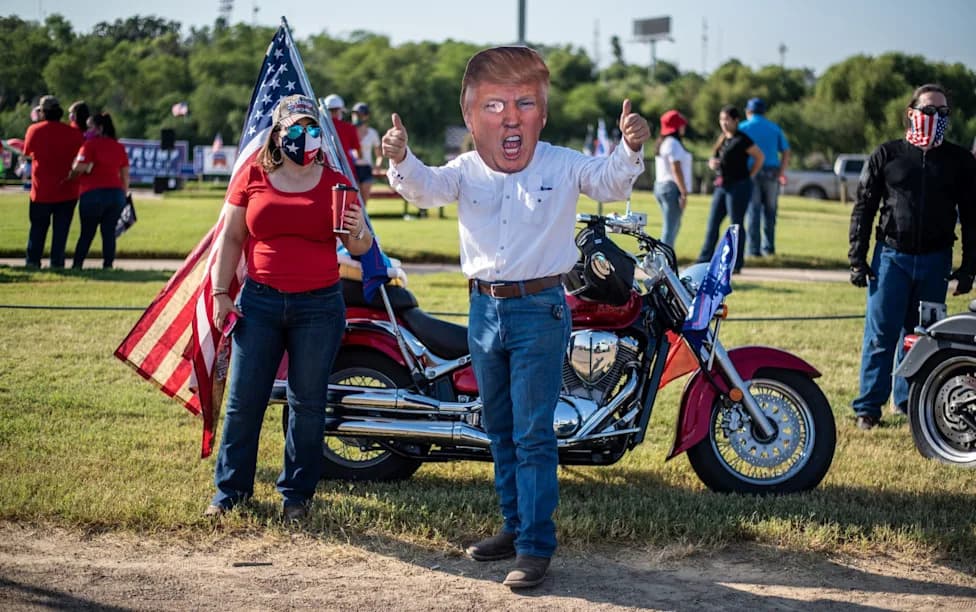
For decades, Texas’s border counties were Democratic strongholds. In 2024 most swung right, and many voters in the region are now skeptical of the Biden administration while also wary of a hardline Republican approach that includes tariffs and tougher deportation policies. Talarico sees those disaffected voters as essential to any Democratic path to statewide victory and argues that the party must stop taking these communities for granted.
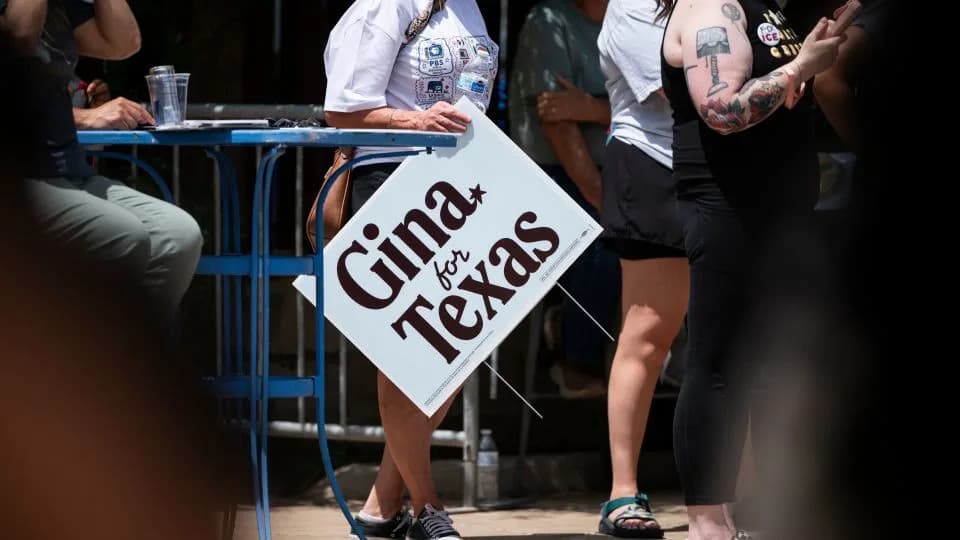
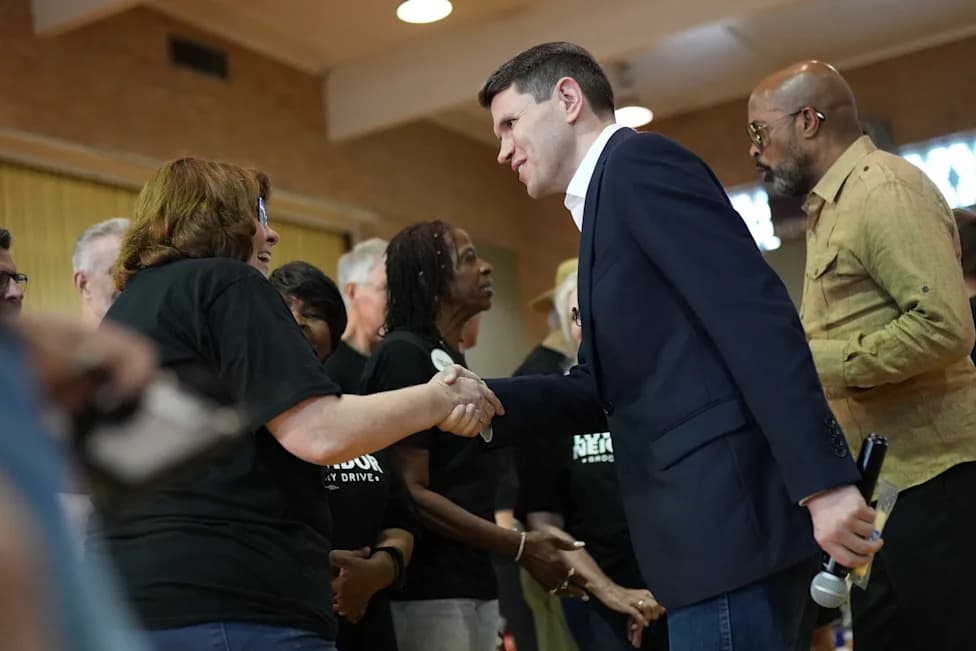
His campaign emphasizes retail politics: showing up, listening, taking photos and shaking hands. In towns where venues overflowed, he stayed to meet those turned away. Voters raise cross-cutting concerns—medical debt, housing affordability, failing infrastructure and education shortfalls—that don't map neatly onto partisan talking points.
"When Democrats get power, too often it's nibbling around the edges," he says, invoking the ambitious Great Society legacy as an example of transformative governance he hopes to revive. The campaign slogan—"top versus bottom, not left versus right"—signals an effort to build a coalition united by material needs rather than ideological purity.
Bottom Line
The borderlands are a place where community and necessity shape politics. If Talarico can slow or reverse the rightward drift of 2024 in these counties by focusing on tangible wins—water systems, jobs, federal investments—he may create a pathway not only back to statewide competitiveness but also to Washington. For now, his campaign is testing whether humility, listening and pragmatic proposals can resonate where national politics have felt distant and abstract.
Reporting from the Texas border region.
Help us improve.