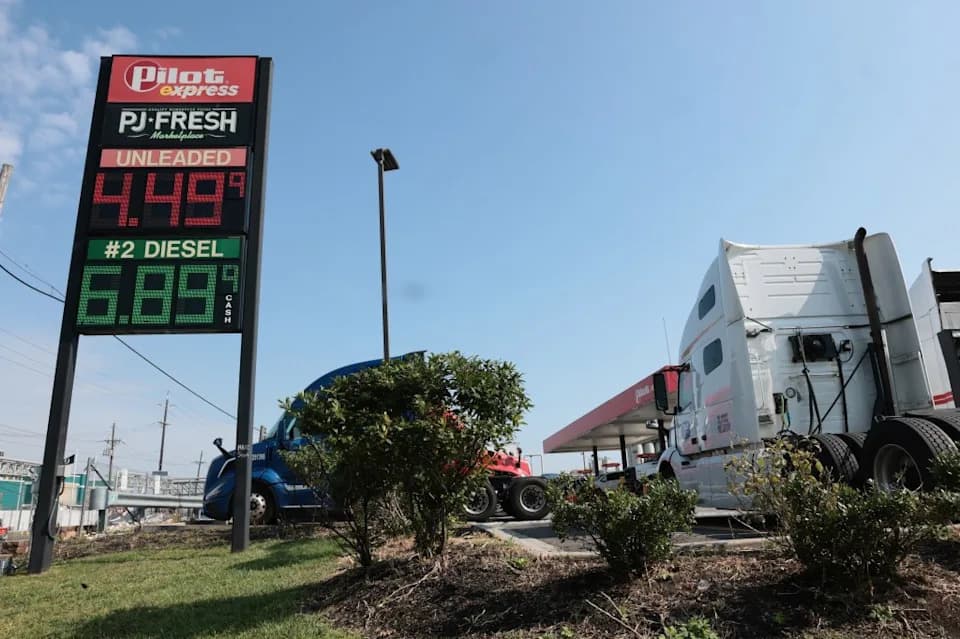
Trump has singled out major oil companies—naming Chevron's CEO—blaming them for soaring gas prices as the national average hits $4.09 per gallon. Critics say his framing oversimplifies complex market and geopolitical drivers that determine pump prices. Other trends: wine and bourbon sales are falling, Nanit's baby monitors are expanding into health tracking (raising privacy and anxiety concerns), nearly 200 private colleges borrowed from restricted endowments in 2025, and Acting AG Todd Blanche withdrew a $1.8 billion victims' fund tied to an IRS deal.
Blame Game: Trump Targets Big Oil as Gas Tops $4.09 — A Simplified Explanation
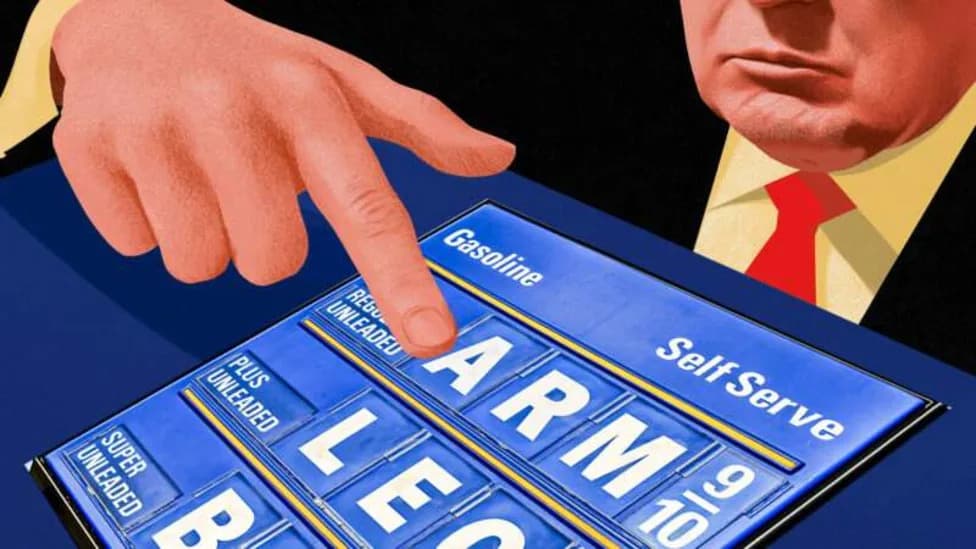
Illustration: Adani Samat/Midjourney/Heather Craig/Dreamstime.com
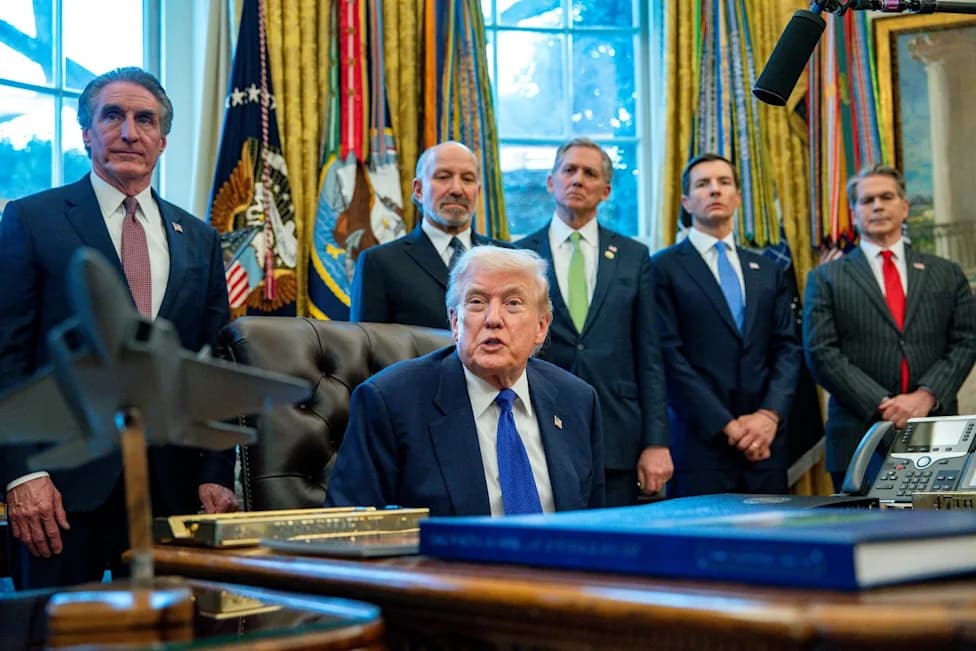
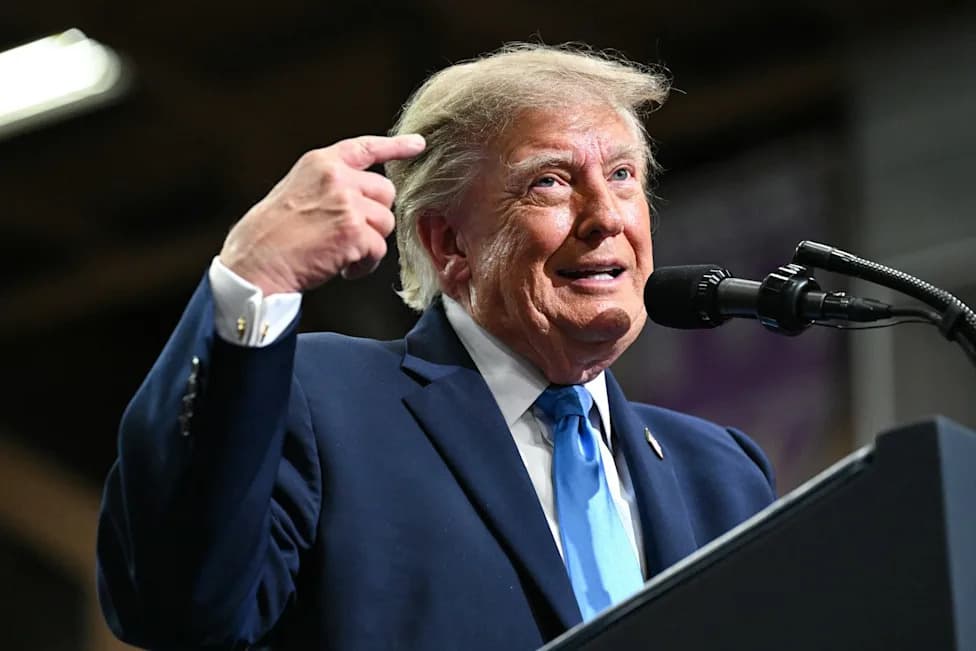
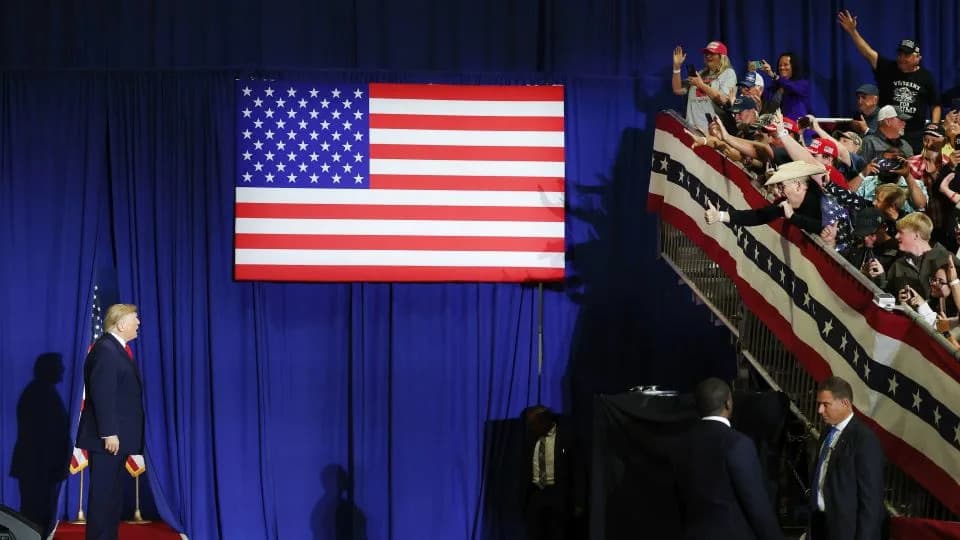
President Donald Trump spent part of a West Coast campaign swing blaming major oil companies for rising gasoline prices, a claim that simplifies complex market and geopolitical dynamics and recasts economic pain as corporate greed.
On Truth Social, Mr. Trump criticized Chevron and its CEO, Mike Wirth, arguing that the oil industry owes its resurgence to his administration and demanding lower retail prices for consumers. His post read in part:
“Mike Wirth, Chairman and CEO of Chevron, just gave, in an interview with the fabulous Maria Bartiromo, all of the reasons that his company is doing so well... The only thing he conveniently forgot to mention is that, without the genius, foresight, strength, and stability, of the TRUMP Administration, the Oil Industry, and our Country itself, would be DEAD!... get your consumer (retail!) Oil Prices DOWN, NOW!”
Trump's Claims Versus Market Reality
That rhetoric ignores how pump prices are set. Retail gasoline prices reflect crude oil costs, refining and distribution margins, seasonal demand, local taxes, and global disruptions such as the war in the Middle East. While executives and companies are legitimate targets for political criticism, a president cannot simply order down retail prices without broader policy tools or market responses. Portraying the issue as solely corporate profiteering is misleading.
Politics, Timing, and Voters
Political operatives know timing matters. Republican pollster Frank Luntz told Politico that “Labor Day is the point where gas prices are baked into the election,” meaning summer travel costs can shape voters' impressions of their household finances. Even allies in Congress have signaled urgency about the broader geopolitical situation: “We got to wrap it up,” Speaker Mike Johnson said about the war, underscoring how foreign policy and timing intersect with domestic politics.
Other Economic and Cultural Ripples
Across sectors, shifting spending patterns are reshaping local culture and consumer markets. In New York City, wine-shop owners are reporting weaker sales—partly attributed to reduced drinking and the popularity of certain weight-loss medications—threatening one of the city's remnants of mom-and-pop retail. Similar declines in bourbon sales are affecting Louisville's cultural life.
On the tech front, baby-monitor maker Nanit is expanding features beyond sleep tracking to include health-monitoring capabilities such as cough detection and ambient tracking of developmental cues. While these tools may help some parents and pediatricians, they also risk increasing parental anxiety and raise privacy questions about ambient surveillance of children.
Higher Education Under Strain
Colleges are feeling acute budget pressure. The Wall Street Journal reports that many private institutions are cutting programs, laying off faculty and, increasingly, tapping restricted endowment funds intended for specific donor-designated purposes to meet operating costs. Perspective Data Science estimates that nearly 200 private colleges borrowed from restricted endowments in 2025, up from 131 in 2021—an alarming trend for donors and institutions alike.
Developments In Washington
In a separate development, Acting Attorney General Todd Blanche formally withdrew a proposed $1.8 billion fund that had been part of a controversial IRS agreement tied to claims of politically motivated prosecutions. Blanche also clarified that another element of the deal—protections for the president and certain family members against some past tax claims—does not eliminate the possibility of future IRS audits, a change that helped secure support for his nomination from previously skeptical lawmakers.
Bottom Line
Blaming corporations for high gas prices is politically potent but incomplete. Prices at the pump are driven by multiple factors—global supply and demand, geopolitical risk, refining constraints, and taxes—none of which are fixed by a single tweet or declaration. Meanwhile, shifting consumer habits, new surveillance features in baby tech, fiscal stress in higher education, and legal adjustments in Washington are all part of a broader economic and cultural landscape that will shape voters' perceptions this election season.
Help us improve.