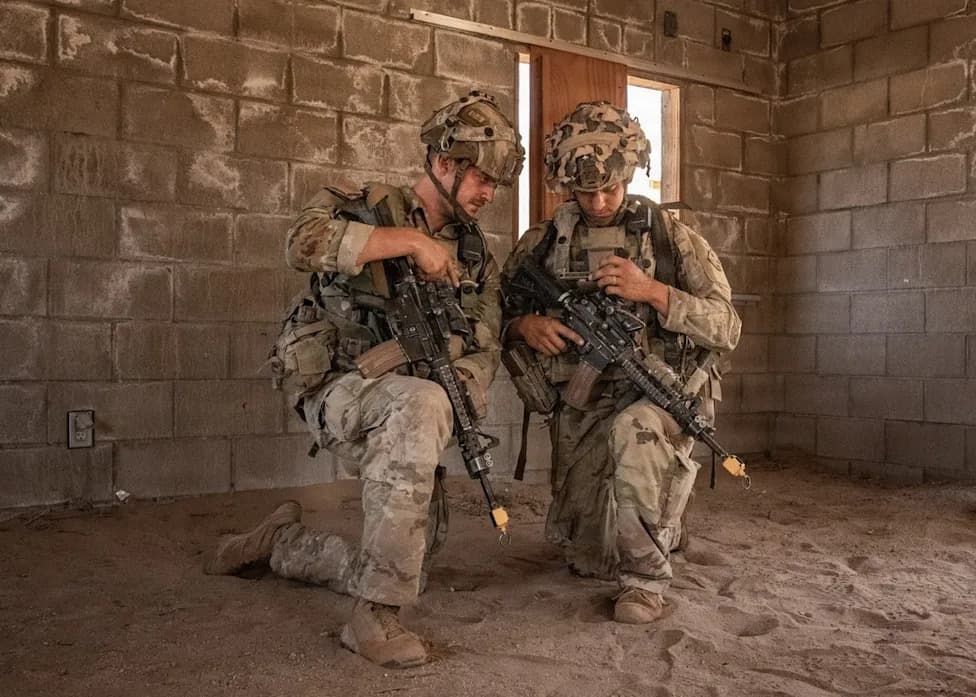
The U.S. Army says its Next Generation Command and Control (NGC2) system is "ready to scale" after an extended prototyping effort that culminated in Project Convergence–Capstone 6 at Fort Irwin, California, in July.
Division-Scale Prototype Put Under Realistic Stress
Maj. Gen. Patrick Ellis, commanding general of the 4th Infantry Division, described the prototype as "functional but not optimized," noting the service will spend the next year refining tactics and integrating lessons across the force. The 10-day exercise tested the full NGC2 stack at division scale under harsh conditions and against a dedicated opposing force.
"The dedicated opposing force and the unrelenting Fort Irwin conditions afforded us a great opportunity to stress the full NGC2 stack at PCC6," Ellis said. "I'm proud to have delivered a prototype at the division scale."
Scope and Purpose of the Test
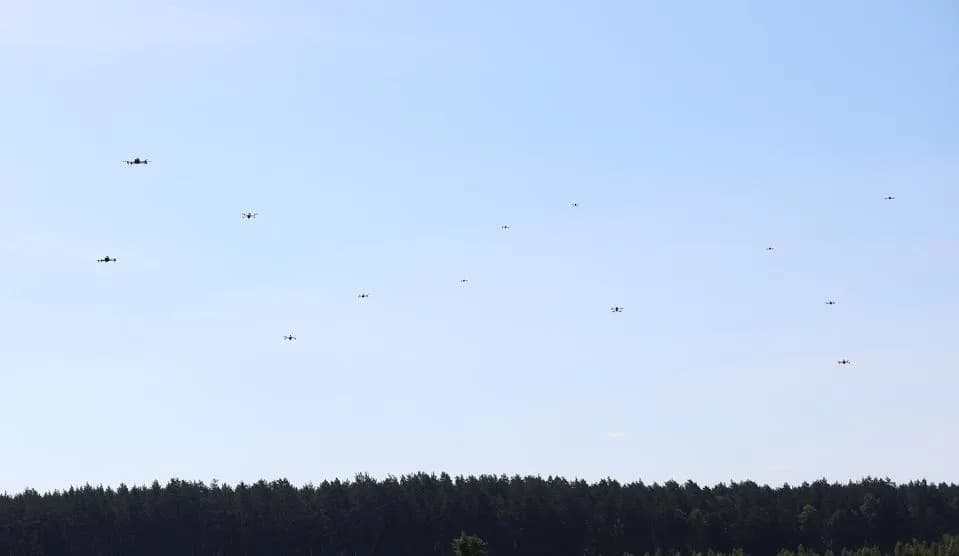
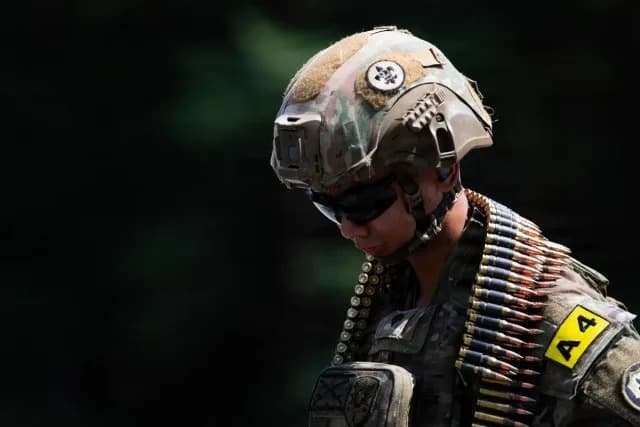
Project Convergence–Capstone 6 involved roughly 10,000 participants from U.S. and allied forces alongside industry partners. Planners evaluated about 90 distinct technologies across realistic, complex scenarios to validate NGC2 hardware, software and integration.
What NGC2 Will Do
NGC2 is intended to replace the Army’s patchwork of legacy command-and-control systems that separately manage fires, logistics and airspace. The new architecture is designed to:
- Unify battlefield data across functions to speed decision-making and maneuver;
- Enable modern warfighting applications and artificial intelligence from soldier to corps levels;
- Provide resilient communications across vast distances to support dispersion and survivability.
Leadership Emphasis And Funding
Senior Army leaders stressed the need to field the capability quickly. Secretary of the Army Dan Driscoll underscored the operational advantage of speed: "The side that can sense a target, process the data, and deliver a kinetic effect the fastest, wins."
In its proposed 2027 budget the Army requested $904 million in research and development funding to scale and mature NGC2, including improvements to communications and networking. Industry partner Anduril Industries developed the initial prototype the year before for $99.6 million and continues to lead portions of the effort.
Next Steps
The Army said I Corps headquarters at Joint Base Lewis-McChord, Washington—which oversees tens of thousands of soldiers in the Indo-Pacific—will be the next organization to receive NGC2 capabilities as the service transitions from prototyping to fielding.