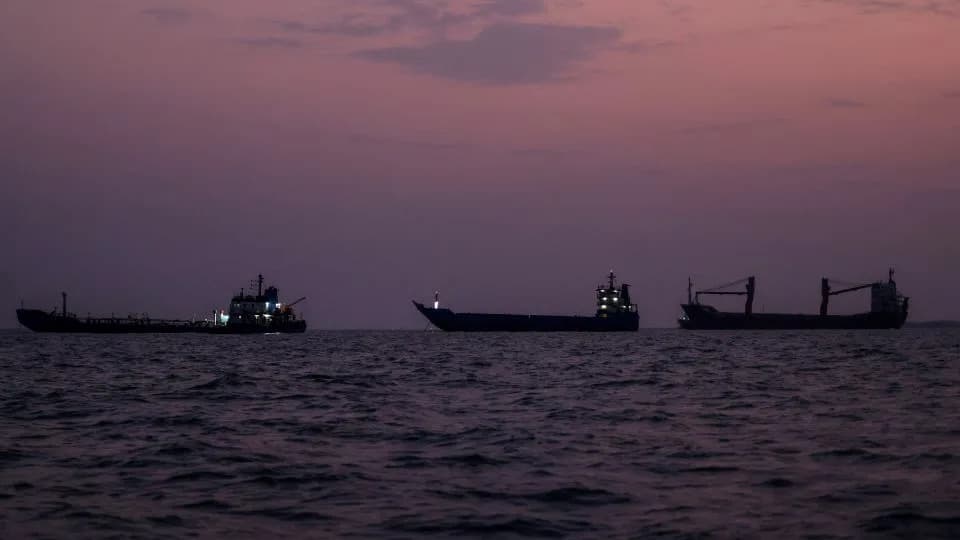
Maritime traffic through key Middle East chokepoints remained subdued as Qatar- and Pakistan-led mediation between the United States and Iran continued. Kpler reported only nine vessels passed through the Strait of Hormuz on Monday versus an average of about 16 per day last week. A vessel was fired on off Oman's coast overnight into Tuesday, and talks are described as in "very progressive stages" but have not yet produced an agreement. Attacks by Yemen's Houthi movement also reduced Bab al-Mandab transits to 25 on Monday, down from 42 on Friday.
Maritime Traffic Remains Subdued as Qatar and Pakistan Mediate US–Iran Talks Over Strait of Hormuz
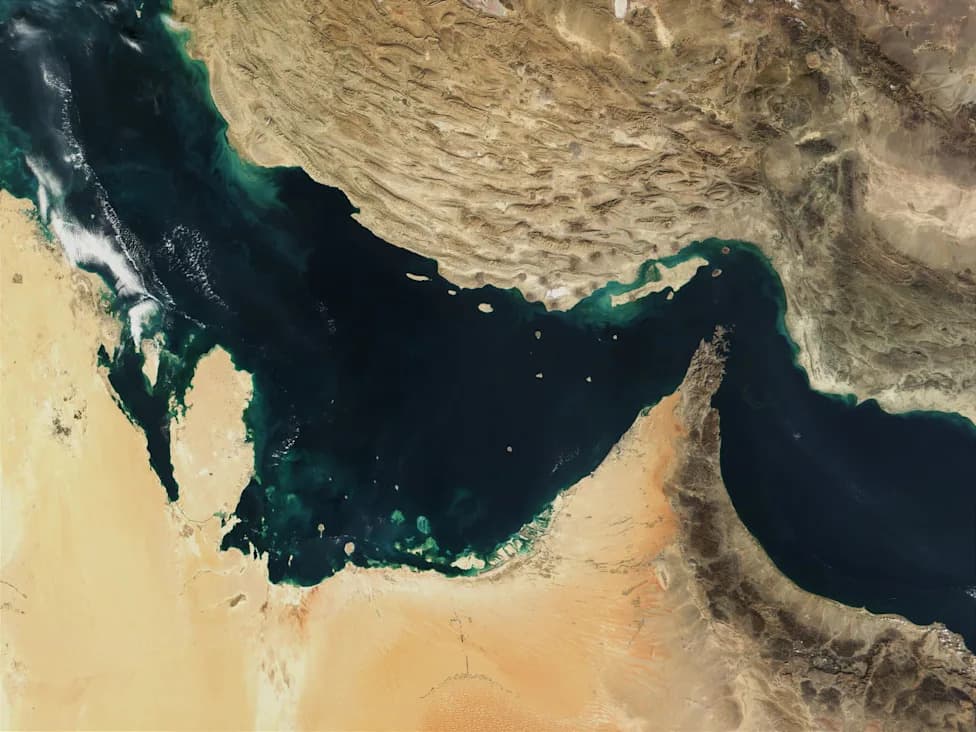
FILE PHOTO - An undated handout satellite picture provided by the National Aeronautics and Space Administration (NASA) the Arabian Gulf (Persian Gulf), the Strait of Hormuz, and the Gulf of Oman. Iran's Revolutionary Guard announced it impounded a "foreign" vessel on July 31 that had been attempting to smuggle oil to the Gulf states. (is associated with: «Shipping through Hormuz remains subdued as Iran-US mediation continues») -/The Visible Earth/NASA/dpa
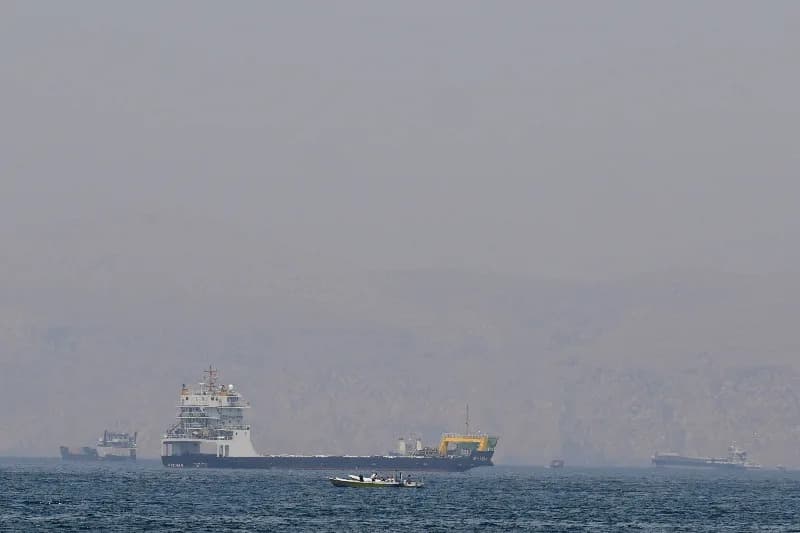
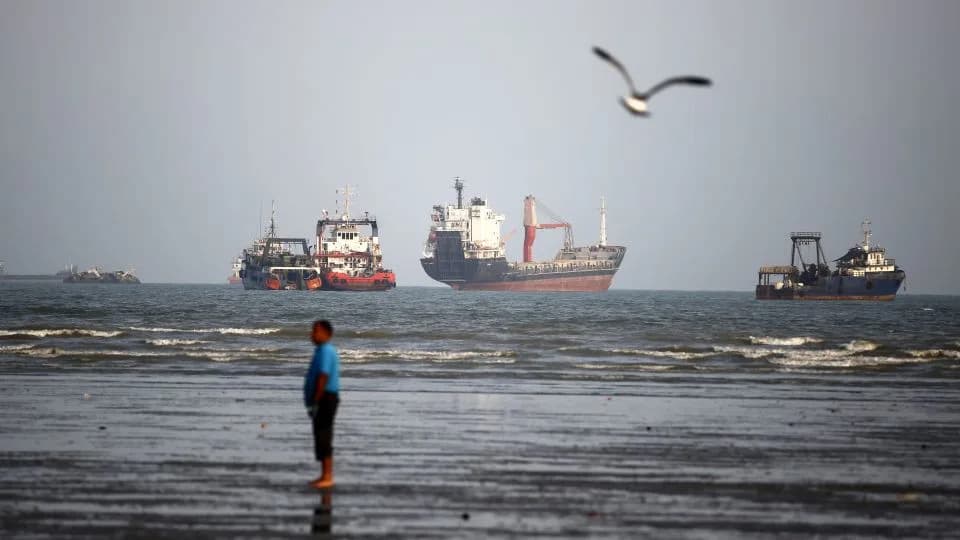
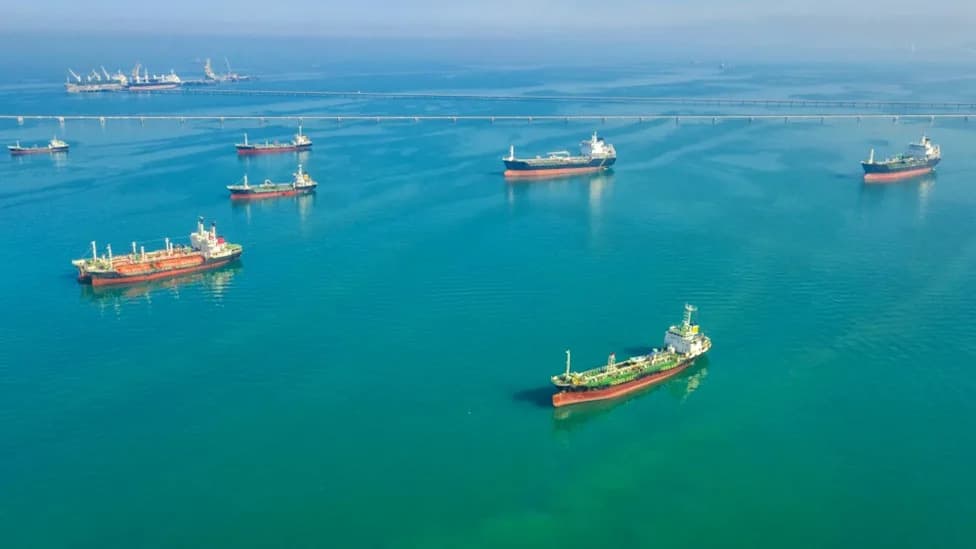
Maritime traffic through two of the Middle East's most critical chokepoints remained constrained on Tuesday as diplomatic efforts continued to ease tensions between the United States and Iran.
Data provided to dpa by maritime analytics firm Kpler showed that only nine vessels transited the Strait of Hormuz on Monday, compared with an average of roughly 16 daily passages last week. The reduced traffic underscores the cautious posture of commercial shipping in the face of heightened regional risk.
Overnight into Tuesday, a vessel came under fire off the coast of Oman, highlighting how precarious security conditions remain for ships operating in the area.
Qatar, which is leading mediation efforts together with Pakistan, said talks aimed at resolving the dispute were ongoing but that no agreement had yet been reached. Majed al-Ansari, a Qatari Foreign Ministry spokesman, told reporters in Doha that the diplomatic process had reached "very progressive stages."
"The mediators are working to bridge differences between the two sides and are continuously exchanging draft proposals," al-Ansari said.
Al-Ansari added that there was still no accord on reopening the Strait of Hormuz but cautioned the situation could change quickly. He stressed that preventing further escalation and restoring access to the strategic waterway were immediate priorities.
Dimitris Ampatzidis, a risk analyst at Kpler, said a formal agreement between the United States and Iran could rapidly increase shipping through Hormuz, though a sustained recovery in volumes would likely take longer to materialize as operators and insurers rebuild confidence.
Traffic through the Bab al-Mandab Strait, at the southern entrance to the Red Sea, also remained depressed amid ongoing attacks and threats from Yemen's Iran-aligned Houthi movement. Kpler recorded 25 vessel transits through Bab al-Mandab on Monday, down from 42 recorded on Friday.
Until a diplomatic settlement reduces the security risks, shippers may continue to reroute, delay sailings or face higher insurance and operational costs—keeping pressure on regional transit levels and potentially on global supply chains.
Help us improve.