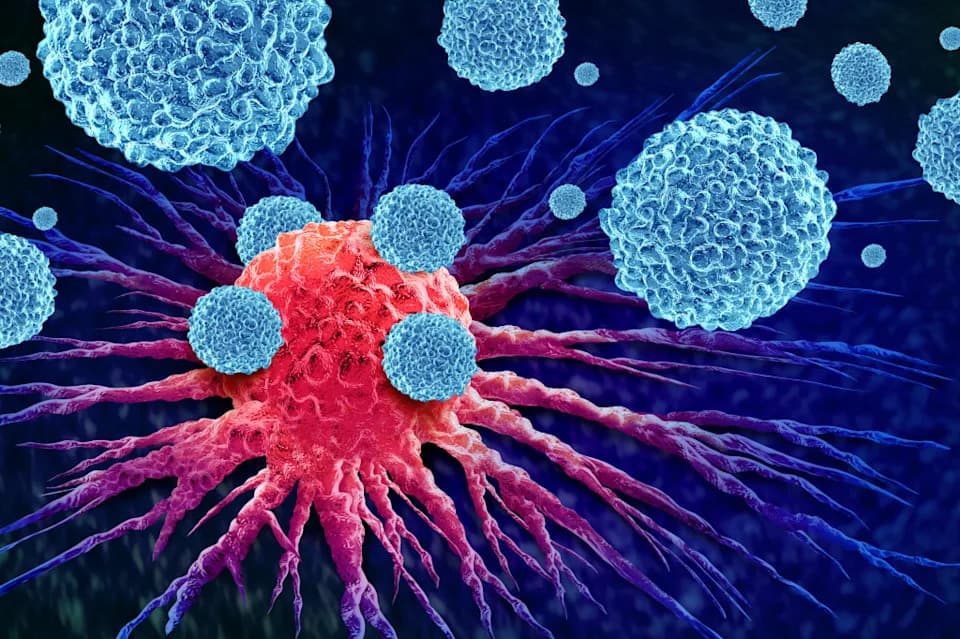
Study finds current NICE guidance may miss many at-risk women under 50. Using the multifactorial BOADICEA tool, researchers estimate 26.5% of under-50s would be classed above-average risk and 34.8% of those who develop breast cancer within 10 years would be identified, versus just 1.4% referred (capturing 4.4% of future cases) under current rules. Experts say broader assessment could improve detection but may increase workload and anxiety, so policy change requires careful evaluation.
Study: NHS Screening Rules May Miss Most At-Risk Women Under 50 — BOADICEA Flags Many More
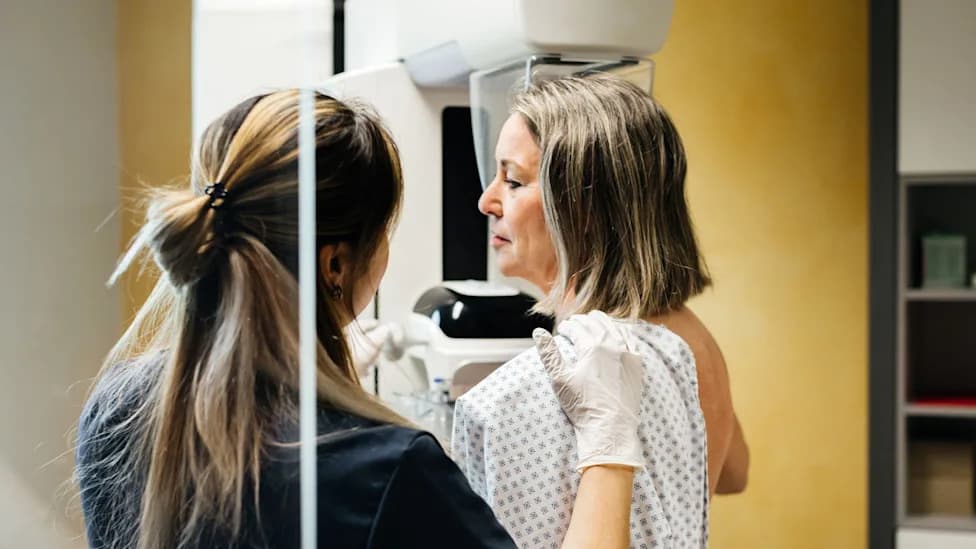
A nurse provides assistance to a patient undergoing a mammogram in a modern medical facility [Getty]
Researchers warn that current NHS eligibility rules for breast cancer screening in women under 50 are too narrow and may miss a large proportion of younger women at increased risk.
Study Overview
A team from the University of Cambridge and the Institute of Cancer Research analysed how well existing guidance identifies younger women at elevated risk of developing breast cancer. Their paper, published in the British Journal of Cancer, compared the National Institute for Health and Care Excellence (NICE) referral criteria with a multifactorial risk tool called BOADICEA, which combines family history, genetic information, reproductive history and lifestyle factors to calculate individualized risk.
Key Findings
The researchers estimate that if every woman under 50 were assessed using a multifactorial tool like BOADICEA:
- About 26.5% would be classified as above-average risk and referred for further assessment.
- That approach would identify approximately 34.8% of women under 50 who go on to develop breast cancer within 10 years.
- By contrast, current NICE criteria would refer only about 1.4% of women under 50 and would capture just 4.4% of those who later develop breast cancer.
A major reason for the gap is that roughly 73% of women under 50 who develop breast cancer within a decade have no family history — the principal trigger in the NICE guidance.
Context and Risks
Breast cancer remains a leading cause of cancer death in UK women under 50. Around one in seven women will develop breast cancer in their lifetime, yet only 5–10% of cases are linked to inherited genes. Most cases (about 96%) occur in women over 40, and roughly 25% of cases occur in women aged 75 and over. Men can also develop breast cancer, with around 420 new male cases per year in the UK.
Known modifiable risk factors include alcohol consumption and obesity; hormonal treatments such as combined oral contraceptives and HRT are associated with a smaller increased risk.
Implications
Lead author Dr Juliet Usher-Smith urged the NHS to review referral thresholds in light of these findings but acknowledged that wider use of multifactorial assessment would increase clinical workload and could cause some women unnecessary tests and anxiety. Dr Sowmiya Moorthie of Cancer Research UK — which funded the study — said any change must be accessible, equitable and mindful of the potential distress from extra referrals.
Dr Juliet Usher-Smith: 'Broader assessment could help identify younger women at risk, but implementation must balance resource demands and patient wellbeing.'
Official Response
NICE said it welcomed the research and recognised the potential of multifactorial risk tools but that current evidence does not yet justify a change to national screening guidance. The NHS breast screening programme continues to be reviewed regularly by the UK National Screening Committee.
What Women Should Do
Health officials encourage all women to know what is normal for their breasts and to consult a doctor about any changes. Women concerned about their risk should discuss family history, lifestyle factors and whether risk assessment is appropriate with their GP.
Help us improve.