Unusually high summer temperatures have pushed blackberries in Suffolk to ripen much earlier than normal, with the first ripe berry recorded on 26 June and foragers reporting up to 2 lb (0.9 kg) gathered in early July. Experts say drought stress is prompting hedgerow plants to accelerate fruiting as a survival response. Farmers warn this could deprive migratory and wintering birds of important food supplies, though some species (notably oaks) have shown beneficial recruitment after strong seed years.
‘Panic’ In The Hedgerows: Suffolk Blackberries Ripen Early After Extreme Heat
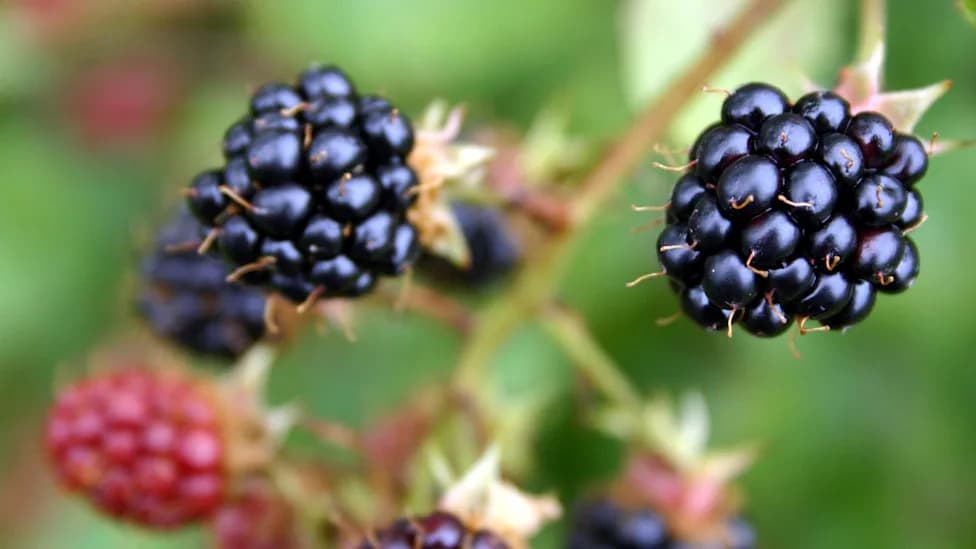
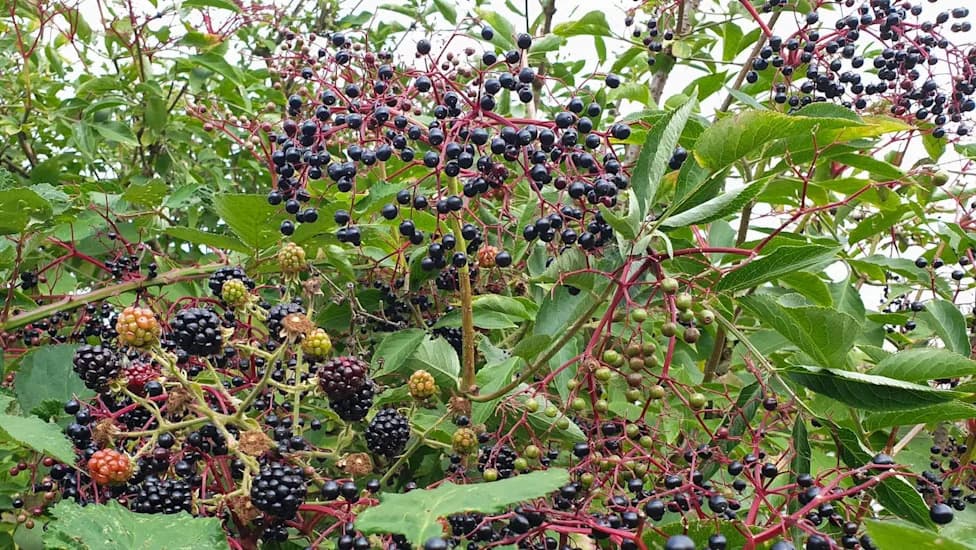
The fruit usually ripens for picking in the late summer and early autumn [Barnaby Perkins / BBC]
Blackberries that are usually picked in late summer and early autumn are ripening much earlier this year across Suffolk after an intense spell of hot, dry weather. Foragers and conservation groups are watching closely as hedgerow plants respond to drought conditions, with potential knock-on effects for wildlife.
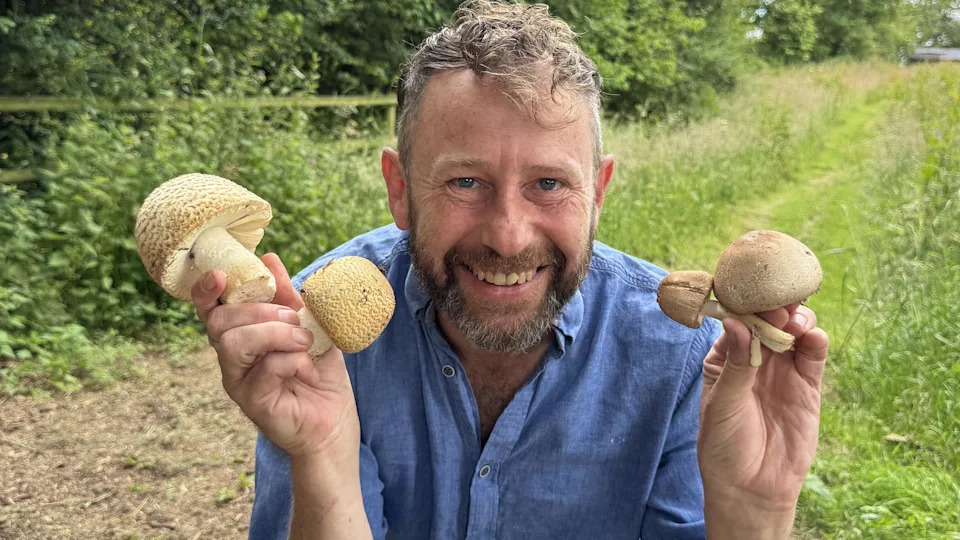
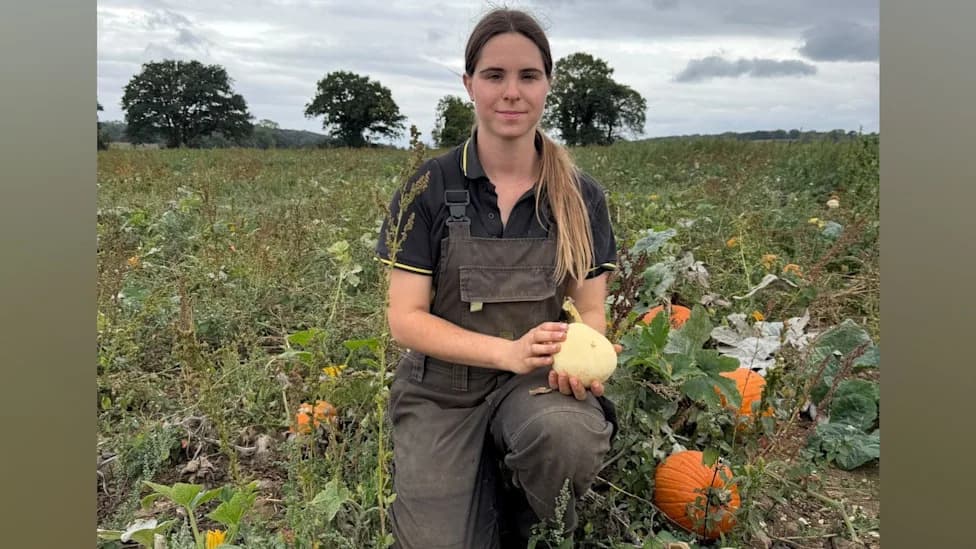
Marlow Renton has been teaching foraging for 15 years [Supplied]
What Has Been Observed
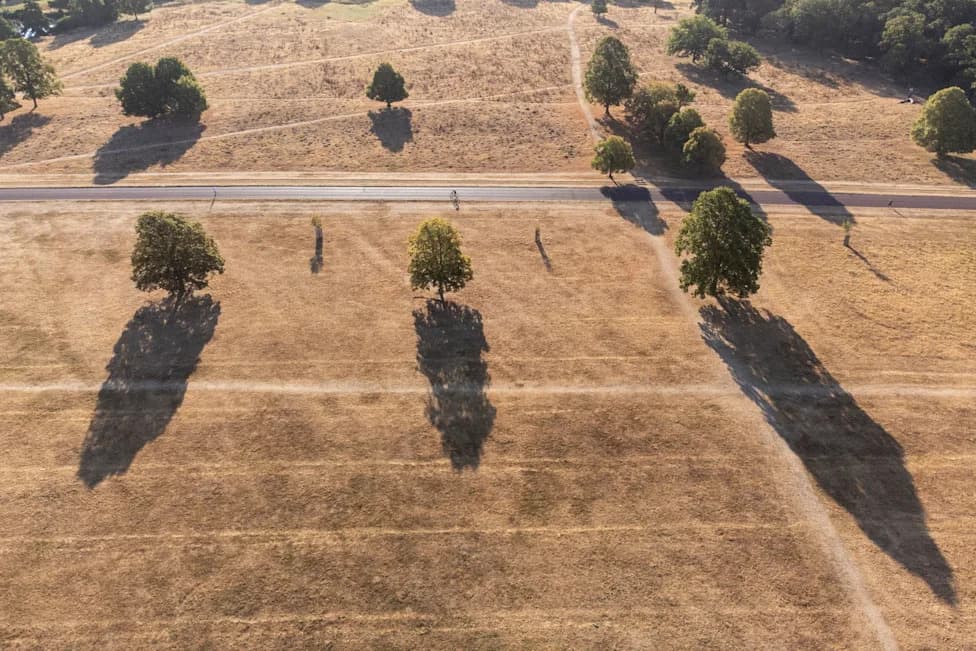
The Woodland Trust recorded the first fully ripe blackberry on 26 June, and local foragers reported gathering up to 2 lb (0.9 kg) of fruit in early July. Suffolk recorded temperatures as high as 37.3°C in June, and the county was officially declared in drought on 29 July.
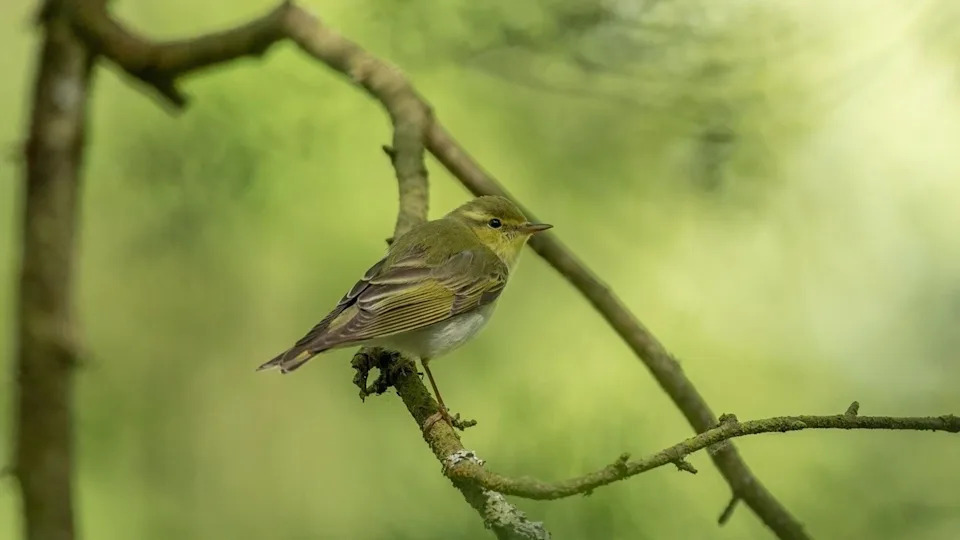
Wood warblers, which can bespotted in localised areasof Suffolk and Essex, feed on blackberries before migrating to sub-Saharan Africa in autumn [RSPB/PA]
Why Plants Are Ripening Early
Foraging instructor and Wild Food UK co‑founder Marlow Renton—who has taught foraging for 15 years—says this season (and last) have produced some of the earliest ripe blackberries he has seen. Botanists and local experts explain that prolonged heat and limited water supply cause plants to accelerate fruiting: effectively a stress response to ensure reproduction before resources run out.
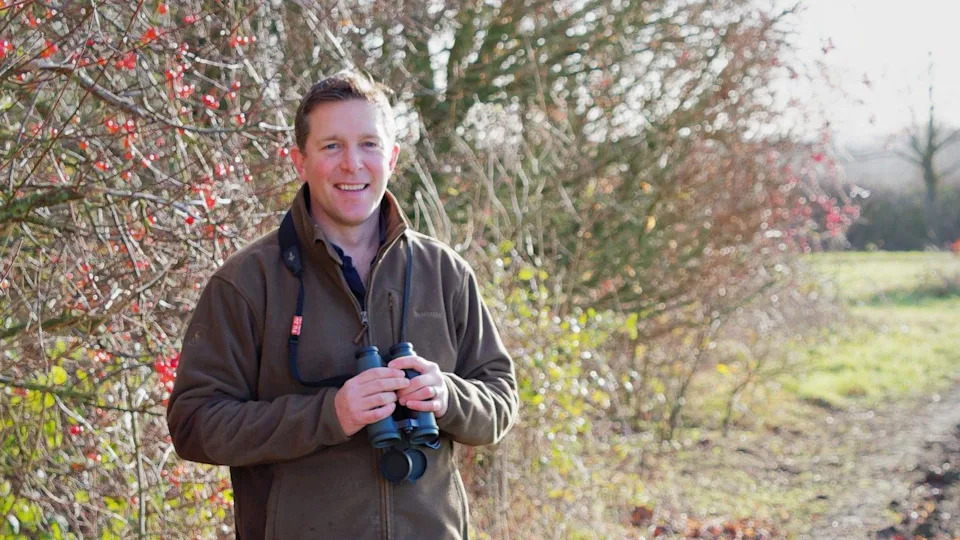
Patrick Barker says the family's Lodge Farm aims to provide a sustainable environment that benefits wildlife [Supplied]
“In very dry conditions, hedgerow plants and trees get to a point where they start to panic that they are either going to run out of water or die, so they put out fruit as early as they can,” said farmer Patrick Barker.
Impacts On Wildlife
Experts warn that early fruiting and subsequent fruit loss could reduce autumn and winter food supplies for birds and other wildlife. Migratory species that stop in UK hedgerows to fatten up—such as some warblers and thrushes—may have to work harder to find adequate food if the usual bounty is gone or diminished by the time they arrive.
Local Voices And A Note Of Caution
Barker, who manages roughly 48 km (30 miles) of hedgerow, has noticed an unusual overlap of flowers and ripe fruit on the same plants this season—hawthorn haws, plums, apples and blackberries all appearing simultaneously. Renton also points to a positive sign: a strong acorn crop last year has coincided with an unusually high number of young oak seedlings this year, showing that some species can benefit from variable conditions.
Conservation groups, farmers and foragers say they will continue to monitor how shifts in flowering and fruiting times affect hedgerow ecosystems and the wildlife that depends on them as the region adapts to hotter, drier summers.
Help us improve.