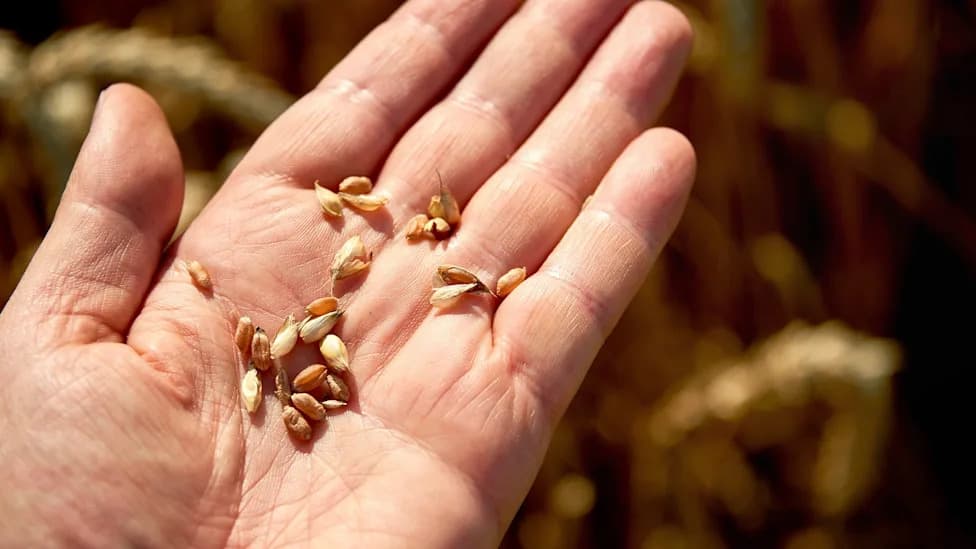
Summer 2026 — the UK's hottest on record with five heatwaves and 40 days above 30°C — has left many pumpkin crops smaller and ripening earlier. Some farms, like Rookery Farm, report yields down about 50–60%, while others salvaged crops through organic and regenerative methods but still saw reduced volumes. The NFU and Defra called the season exceptionally challenging and urged investment in resilience. The RHS says pumpkins generally tolerate heat but advises mulching, targeted watering and other practical steps.
UK Pumpkin Harvest Squeezed by Record Heat: Smaller Fruits, Earlier Ripening and Strained Yields
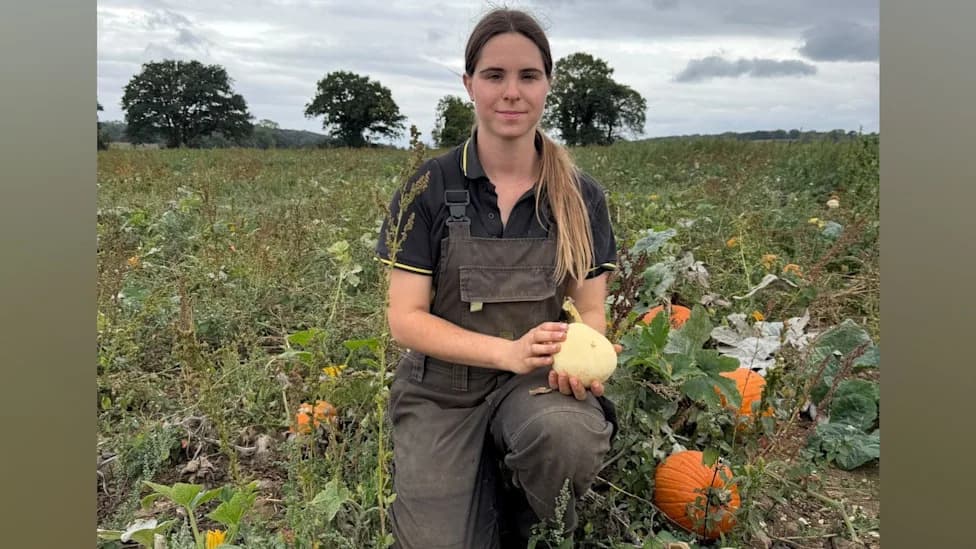
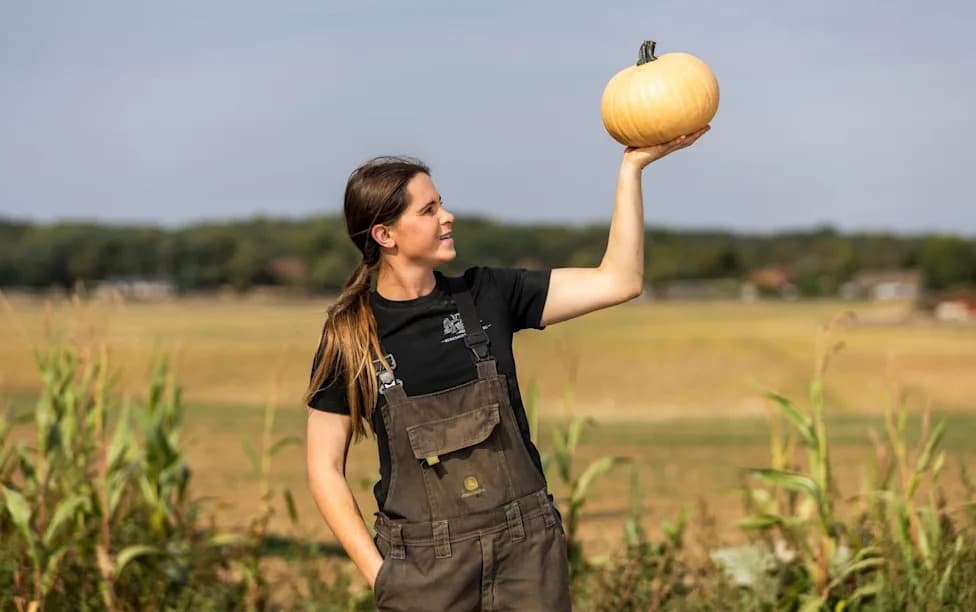
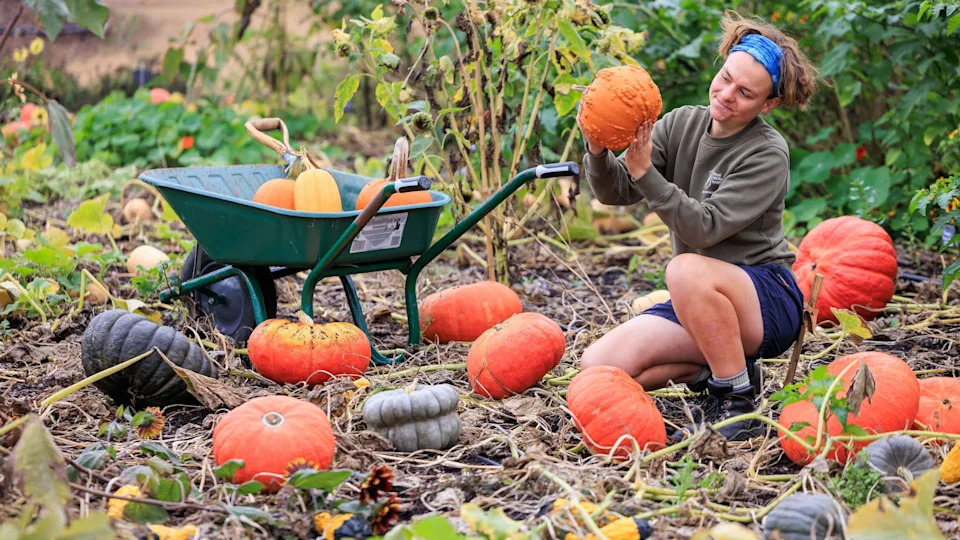
Eleanor Gilbert says she has seen fewer and smaller pumpkins in her harvest [Berkshirefarmgirl]
Pumpkins — central to Halloween traditions from jack-o'-lanterns to pies — have been visibly affected by the UK’s record-hot summer. With five widespread heatwaves and 40 days above 30°C (86°F) in 2026, growers report smaller fruits, earlier ripening and lost yield as drought conditions took hold across key growing areas.
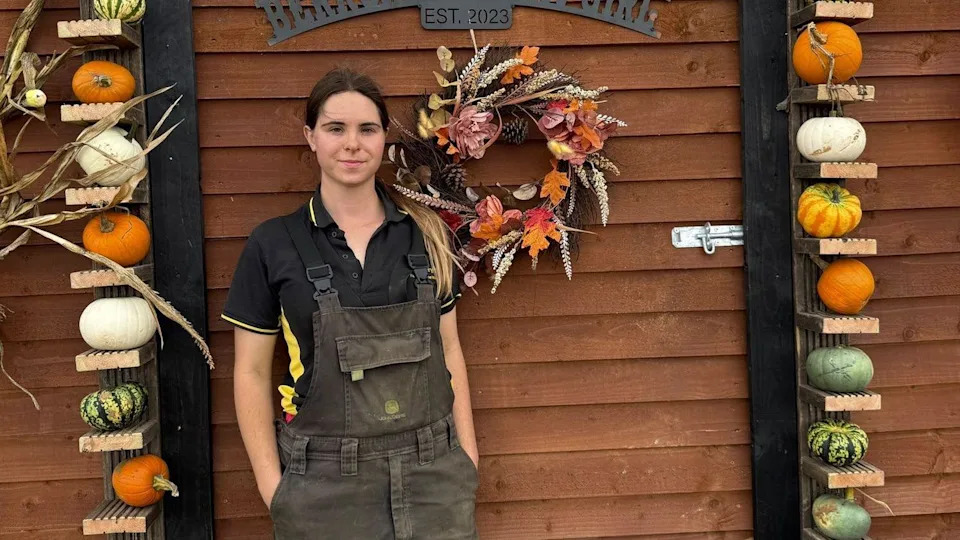
This year's event features a display showing the effect of the drought on pumpkin sizes [Berkshirefarmgirl]
Smaller, Earlier Crops
Eleanor Gilbert, 24, who runs Rookery Farm on the Hampshire–Berkshire border, said this season’s pumpkins are down by roughly 50–60% compared with previous years. "They're a lot smaller in size — pumpkins are around 90% water, and if they have had no water, they just haven't grown," she said. She also described pollination worries, with some flowers re-blooming late and bees possibly less active during extreme heat.
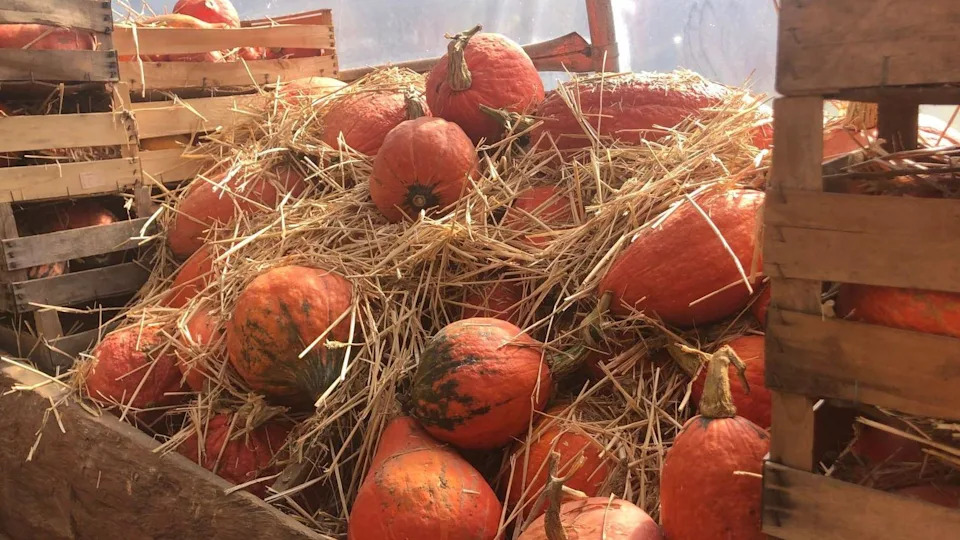
Greg Klaes grows culinary pumpkins and squashes for the high-end restaurant sector [Greg Klaes]
Farms Diversify To Make Up Shortfalls
Like many farms this year, Rookery Farm has pivoted to pumpkin-picking events such as its Pumpkin Patch & Big Bale Play to offset lost wholesale income. Gilbert warned visitors to expect "more bare patches and more weeds" — an authentic reflection of the drought's impact on farm life.
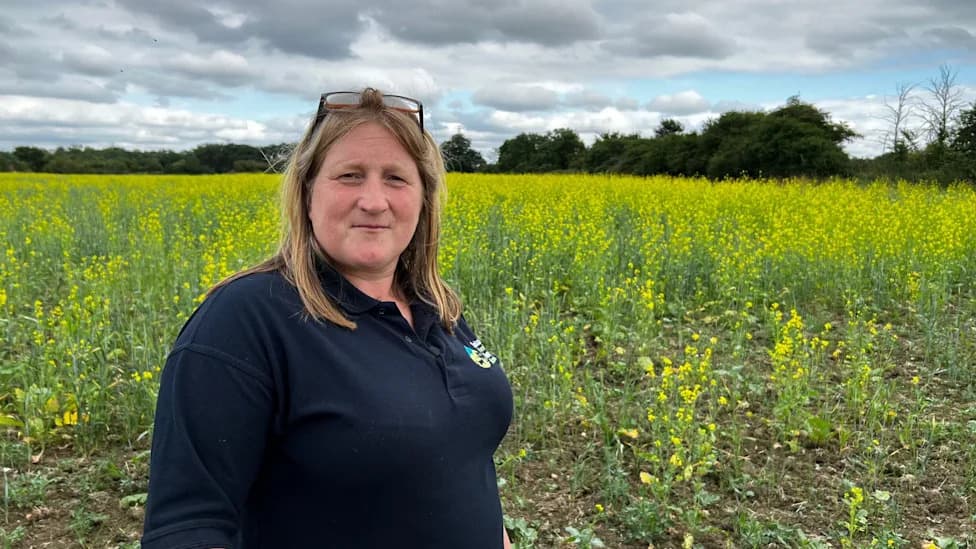
Liz Mooney, RHS Garden Wisley horticulturist, assessed this year's pumpkin crop [RHS]
Mixed Outcomes Across Producers
Not all growers fared the same. Greg Klaes, who supplies culinary pumpkins and squashes to high-end London restaurants, managed to harvest about 10 tonnes despite adverse conditions. He attributes the relative success to organic and regenerative practices, though he estimated his yields were still about half of what he had expected and said he is planning irrigation for next year.

Nick Folkes carves pumpkins for parties and corporate events [Nick Folkes]
Industry and Government Response
The National Farmers' Union described the season as "exceptionally challenging" for pumpkin growers. Martin Emmett, chair of the NFU's Horticulture and Potatoes Board, warned that the prolonged hot, dry spell affected crops from establishment through to harvest and called for investment to build resilience in British horticulture. Defra acknowledged a "difficult summer," noting farmers innovated to save water and that government work continues to strengthen domestic food production.
RHS Observations And Practical Advice
The Royal Horticultural Society reported that pumpkins at RHS Wisley matured earlier and were smaller than typical but generally well coloured and sound in quality. The RHS reminded growers that pumpkins are relatively heat-tolerant but offered practical tips to improve outcomes:
- Add compost or well-rotted manure before planting and use a 3–5 cm mulch layer.
- Sow on level ground; in sandy soils use shallow trenches and consider making a small pond for watering.
- Water at the base of plants to reduce the risk of powdery mildew.
- Use seaweed fertiliser on poor soils and consider mini varieties (eg, Munchkin, Jill Be Little) where space or water is limited.
- Harvest before frost once the neck is dry, the skin is hard and the fruit sounds hollow when tapped.
Impact On Carving And Events
Professional carver Nick Folkes said smaller supermarket and field pumpkins this year will constrain larger, detailed designs. "You are constricted in the size of design — it tends to be more fiddly," he said, recommending sharper, smaller knives for typical household carving.
Outlook
Overall, the year's harvest is mixed: where water management, soil health and regenerative practices were in place, growers salvaged useful crops; elsewhere, smaller fruits, earlier ripening and lower yields are the visible marks of an unusually hot, dry season. Industry voices urge investment in irrigation, soil improvement and resilient practices to protect future harvests.
Help us improve.