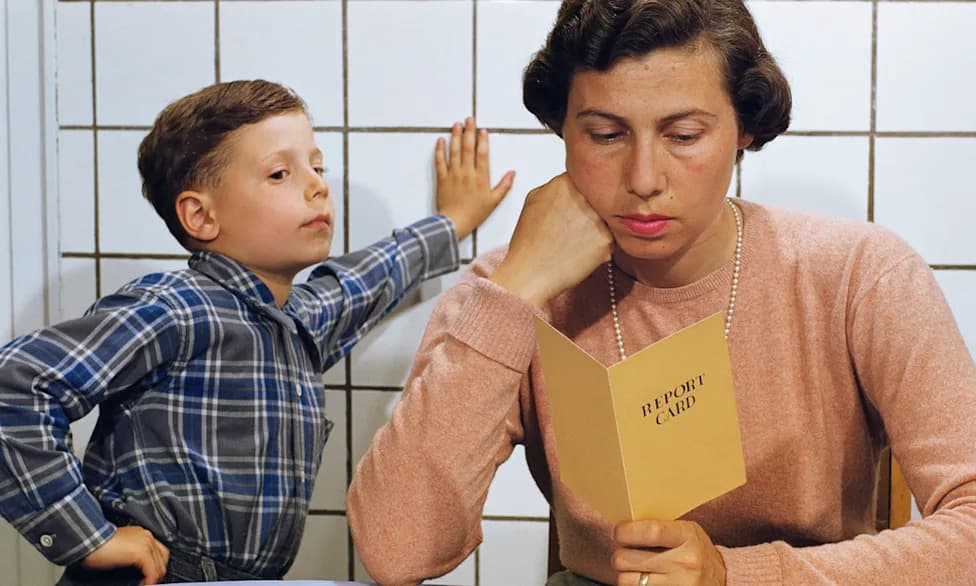
Diane Tirado, an eighth-grade teacher in Port St. Lucie, Florida, was fired after she entered zeros for students who did not turn in an Explorer notebook project. Westgate K-8 enforces a "no-zero" policy that sets the lowest recorded grade at 50, a rule Tirado publicly opposed. The school cited performance and professionalism concerns and noted an investigation is underway; Tirado says she may take legal action. The episode has renewed debate over whether zeros teach accountability or needlessly derail student progress.
Florida Teacher Fired After Assigning Zeros Triggers Debate Over 'No-Zero' Grading Policy
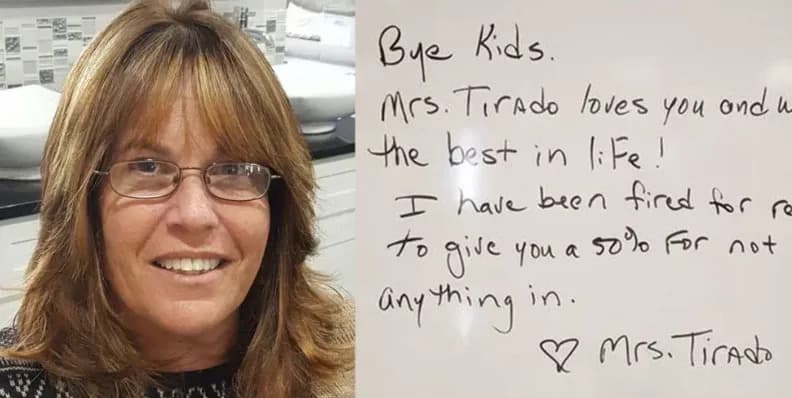
Left: Teacher Diane Tirado. Right: The note she left for students after being fired.
Diane Tirado, an eighth-grade history teacher at Westgate K-8 School in Port St. Lucie, Florida, was dismissed after recording zeros for students who failed to submit an Explorer notebook assignment. The incident has reignited a nationwide discussion about "no-zero" grading policies and how schools balance accountability with opportunities for recovery.
What Happened
Tirado gave students two weeks to complete an Explorer notebook project. Several students submitted no work, and because there was nothing to grade, she entered zeros for those assignments. The school enforces a policy that sets the lowest possible recorded grade at 50, so missing work receives the same numerical value as a very poor submission.
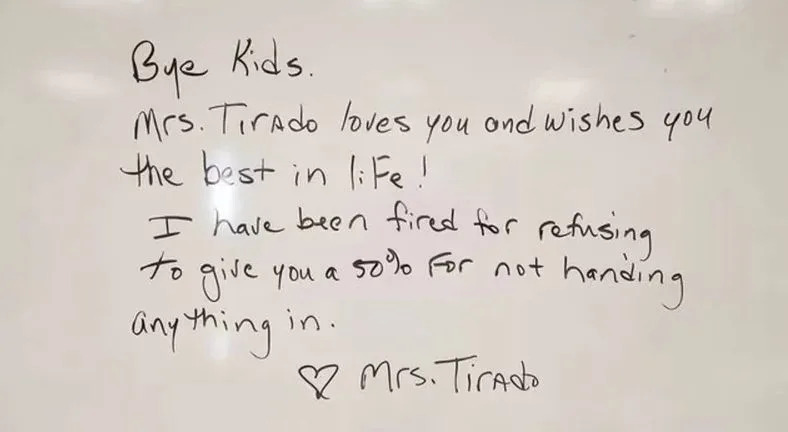
"Bye kids. Mrs. Tirado loves you and wishes you the best in life. I have been fired for refusing to give you a 50 percent for not handing anything in. Love, Mrs. Tirado"
Responses And Consequences
Tirado shared the incident on Facebook, arguing that grades in her classroom were earned and that giving credit for no work undermines accountability. Her post went viral and drew widespread public attention and support. The school, however, released a statement saying Tirado was removed because her performance was deemed sub-standard and because her interactions with students, staff, and parents "lacked professionalism and created a toxic culture on the school's campus." The statement also said administrators received multiple complaints and that an investigation into possible physical abuse was underway.
The Bigger Debate
Educators remain divided on "no-zero" policies. Critics point out that a single earned zero can devastate a student's average in a traditional scoring system and make recovery extremely difficult. As Tyler Rablin wrote in Edutopia: "If I receive a zero on my first assignment in a term, I have to score an 85 on the next 13 assignments just to get back to a B." Supporters of strict grading maintain that consequences for not turning in work teach responsibility and accountability.
Where Things Stand
Tirado has said she may pursue legal action and accused the district of attempting to discredit her after she publicly criticized its policy. The district did not deny the existence of the "no-zero" policy. Seven years after the original reporting on this case, similar minimum-grade rules remain common in many districts, and the discussion about fairness versus mercy continues.
Bottom line: The case illustrates a persistent tension in education policy — whether to protect students from irreversible grade damage or to hold them strictly accountable for missed work. Each approach has trade-offs, and this incident highlights how strongly educators, parents, and administrators feel on both sides.
Help us improve.