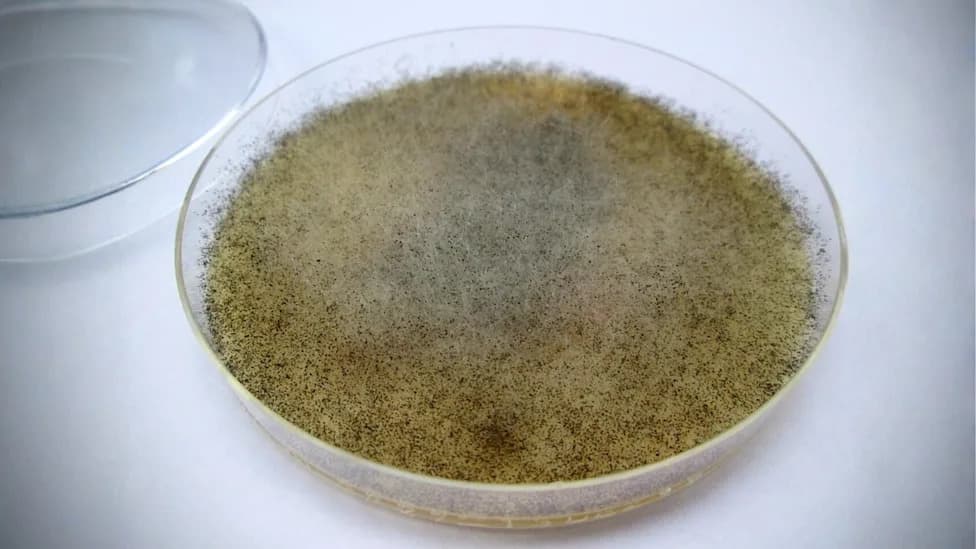
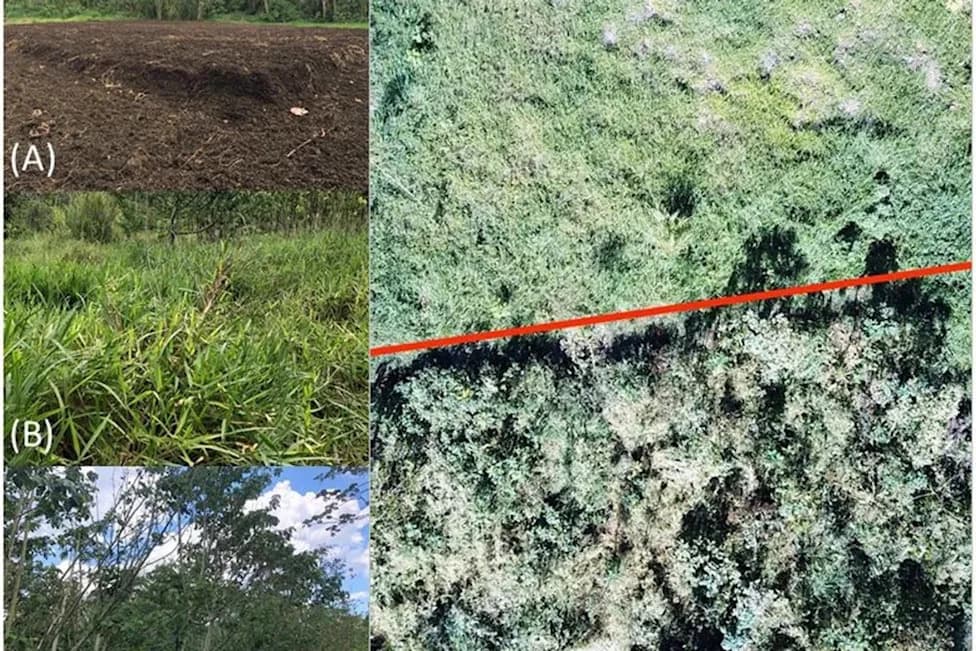
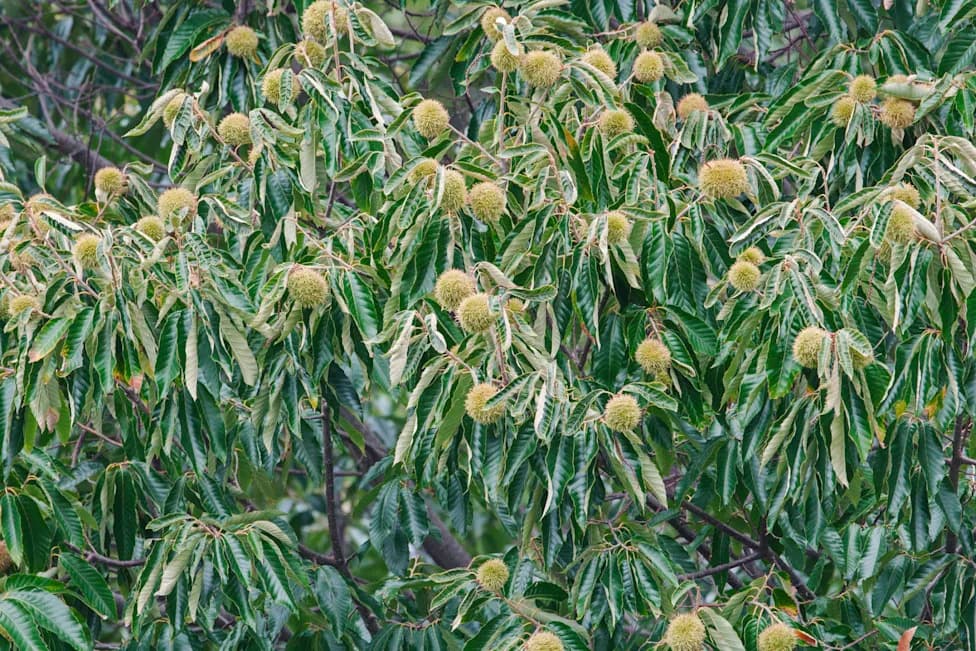
The study found a natural emulsion of essential oils and fengycin (a lipopeptide from Bacillus) markedly suppressed Moniliophthora roreri, the fungus behind cocoa moniliasis that can destroy 70%–80% of harvests. The formulation improves dispersion and stability of active compounds, reducing mycelial growth and inhibiting spore germination in lab tests.While biocontrols could lower environmental and health risks and slow resistance, field trials, scaling, storage and cost remain unresolved.
Natural Emulsion of Essential Oils and Fengycin Shows Promise Against Cocoa Fungus That Wipes Out Up To 80% of Harvests
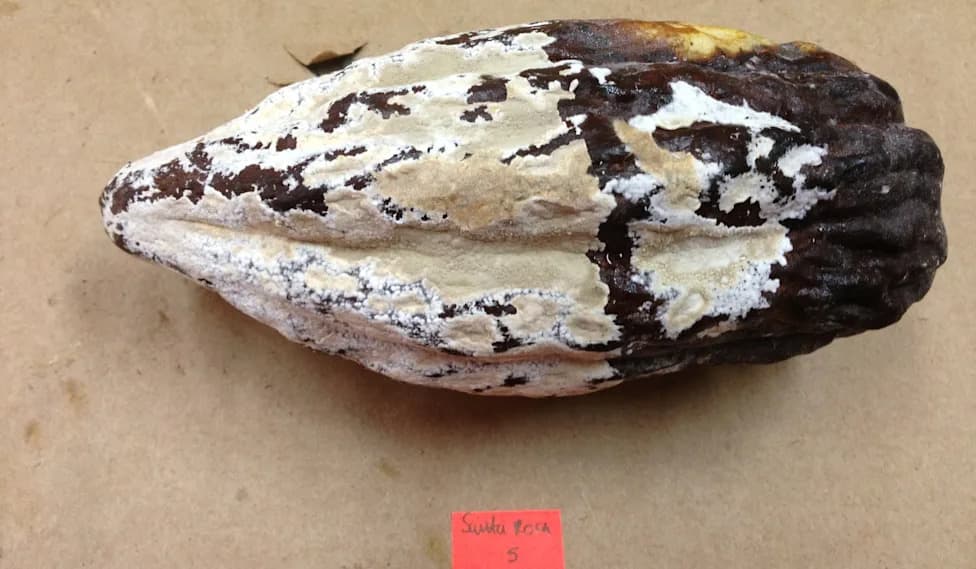
Photo Credit: Mirian Villavicencio / CIBE-ESPOL
Chocolate lovers may have new reason for optimism: researchers have developed a natural emulsion that, in laboratory tests, strongly suppressed the fungus responsible for cocoa moniliasis — a disease that can destroy 70%–80% of a harvest. The study, published in Frontiers in Plant Science and summarized by Phys.org, tested a formulation that combines essential oils with fengycin, a lipopeptide produced by Bacillus bacteria.
How the Emulsion Works
The formulation blends two complementary natural antifungal agents. Essential oils contain terpenes and phenols that interfere with fungal growth, while fengycin acts on fungal cell membranes. Crucially, the emulsion improves dispersion across plant surfaces and increases the stability and bioavailability of those actives, helping them remain effective for longer.
Key Laboratory Results
In controlled tests the emulsion significantly reduced mycelial growth and interfered with spore germination, disrupting multiple stages of the pathogen's life cycle. These effects suggest the combination could be more effective than single-ingredient treatments and that formulation technology is central to translating natural compounds into practical crop protection tools.
Implications for Farmers and the Environment
For many smallholder farmers in Latin America, cocoa is a vital source of income and an essential input to the global chocolate supply. Replacing repeated applications of synthetic fungicides with a lower-impact biocontrol could reduce health risks from exposure, limit runoff and protect beneficial soil organisms. Biocontrols also tend to exert less selection pressure for resistant pathogen strains, potentially making them a more durable option as diseases spread and adapt.
Remaining Questions
Researchers caution that the emulsion still needs field testing. Environmental factors such as humidity, sunlight and the presence of other microbes can alter performance outside the lab. Open questions also include how to scale production, ensure storage stability, keep costs affordable for smallholders and verify consistent effectiveness under diverse farm conditions.
Bottom line: Lab results are promising, but field trials and practical manufacturing and distribution solutions are needed before this natural emulsion can become a widely adopted tool to protect cocoa crops.
Help us improve.