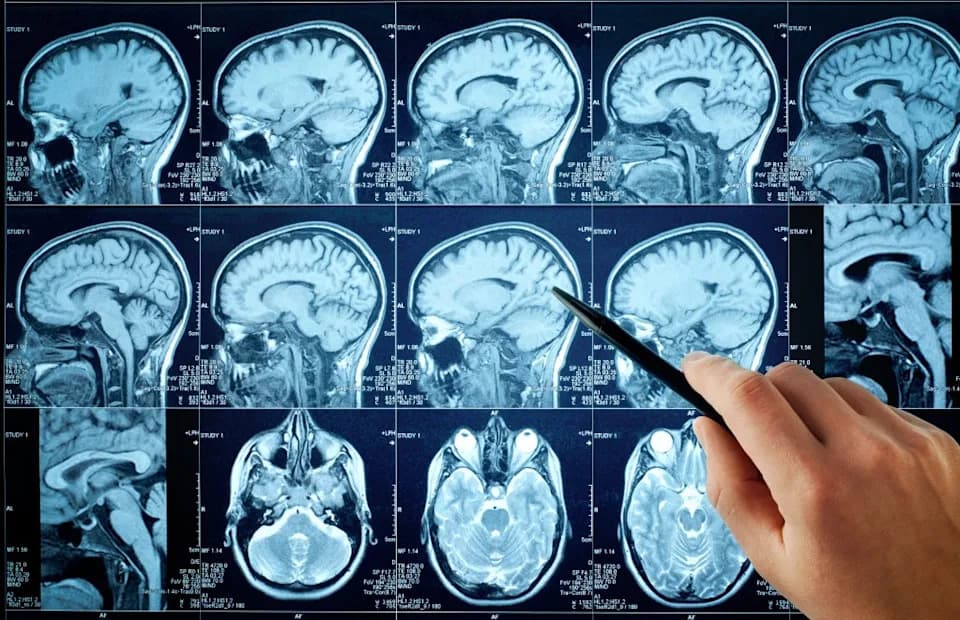
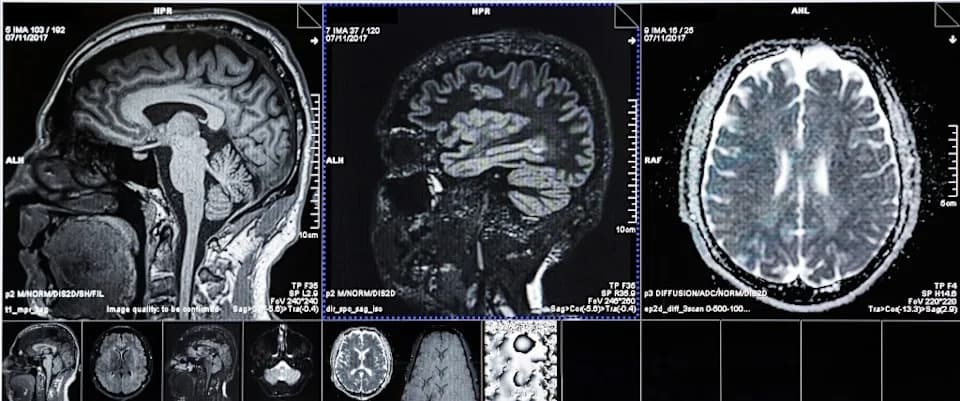
A long-term study of about 1,700 ARIC participants found that people who watched TV "very often" in midlife were more likely to show brain changes two decades later linked to memory problems and early Alzheimer’s markers. Frequent TV viewers had smaller memory-related regions, reduced frontal and occipital lobes, and more white matter damage. By contrast, heavy occupational sitting was associated with healthier brain features, perhaps because many desk jobs involve mental engagement. The study is observational, relies on self-reported TV time and lacks baseline MRIs, so it cannot prove causation.
Frequent Midlife TV Viewing Linked to Brain Shrinkage and Early Alzheimer’s Markers

Researchers say in the past, much attention has been paid to whether peole sit a lot or not, but less to what they are doing while they are sitting. They noted differences in the brains of those who watch a lot of TV compared to people who work a lot. Daniel Reinhardt/dpa/dpa-tmn
A long-term analysis suggests that people who watched television very frequently during middle age were more likely to show brain changes later in life that are associated with memory problems and dementia.
Study Design and Participants
Researchers analyzed data from roughly 1,700 adults who enrolled in the Atherosclerosis Risk in Communities (ARIC) Study at an average age of about 53 between 1987 and 1989. At enrollment, participants reported how often they watched TV in their leisure time (from "never or seldom" to "very often") and how much time they spent sitting at work. More than 20 years later, the volunteers underwent brain MRI scans to assess brain structure.
Main Findings
Compared with people who rarely watched television, those who reported watching it "very often" in midlife showed measurable differences on MRI decades later. The high-TV group had:
- Smaller volumes in brain regions linked to memory and early markers of Alzheimer’s disease;
- Reduced frontal and occipital lobe volumes, areas important for thinking, decision-making and visual processing;
- More white matter damage, a change associated with aging, stroke and cognitive decline.
Occupational Sitting Versus Passive TV Time
In contrast, participants who reported spending substantial time sitting at work tended to show healthier brain features — including larger frontal and occipital lobes and less white matter damage. The authors suggest that many desk jobs involve mental activity and problem-solving, whereas watching TV is usually a passive activity. These differences were observed predominantly in male participants.
"For years we've focused on how much people sit. Our findings suggest we should also pay attention to what they're doing while they're sitting," said senior author David Raichlen, professor of biological sciences and anthropology at USC Dornsife College of Letters, Arts and Sciences.
Limitations and Cautions
Important limitations temper the findings: TV viewing and occupational sitting were self-reported, which can introduce error, and the study did not have baseline MRI scans from the time participants were first enrolled. Because of those factors (and the observational design), the results cannot prove that TV watching causes brain shrinkage. Other lifestyle or health factors may contribute to the associations.
What This Means
The study highlights that not all sedentary behavior is the same: passive activities like prolonged TV viewing may carry different risks for brain health than mentally engaging seated work. While more research — including studies with baseline imaging and objective activity measures — is needed, practical steps such as limiting long TV sessions, taking regular movement breaks, and maintaining mentally stimulating activities may be sensible ways to protect cognitive health.
Help us improve.