The OpenAI summer retreat for tech influencers and Black creatives prompted a heated debate about representation and responsibility in AI. Critics say inviting creators from communities harmed by AI risks normalizing environmental and algorithmic harms; supporters argue engagement helps communities learn, advocate, and build protections. High-profile cases of wrongful arrests tied to facial recognition and local fights over data centers — including Fisk University's proposed facility and a permit moratorium — highlight both immediate risks and long-term environmental and economic consequences.
OpenAI Retreat With Black Creatives Ignites Debate Over Representation, Risk and Responsibility

LOS ANGELES, CALIFORNIA - MAY 20: In this photo illustration, the ChatGPT logo is displayed on a smartphone on May 20, 2026 in Los Angeles, California. OpenAI is reportedly preparing to confidentially file for an initial public offering in the coming days or weeks, with a public debut potentially targeted for September, as the ChatGPT maker works with Goldman Sachs and Morgan Stanley on what could become one of the most highly anticipated tech IPOs in recent years. (Photo Illustration by Justin Sullivan/Getty Images)
Last weekend, OpenAI hosted a summer-camp–style retreat for tech influencers and Black creatives at a luxury wellness resort in New York’s Hudson Valley. Social posts from attendees sparked an intense online debate about who should engage with major AI companies and whether attendance signals endorsement of industry practices that disproportionately harm Black and low-income communities.
Mixed Reactions: Critics and Supporters
Critics argued that inviting creators from communities most affected by AI risks normalizing harms tied to data centers, environmental racism, and nonconsensual AI-generated imagery. As one commentator put it, companies are "inviting the demographics AI tools harm."
Kat Tinsley: "Not only do data centers disproportionately impact Black people due to environmental racism, but people are using AI to make [porn] of women without their consent."
Some critics also singled out high-profile attendees, including Morgan DeBaun, CEO of Blavity, noting that her presence came weeks after speaking about equity at the NAACP Convention and amid criticism of Blavity’s May layoffs. Journalist Kathia Woods questioned the optics of attendance given where many data centers are sited and asked whether there were tangible protections or commitments tied to the event.
Kathia Woods: "Mind you these centers are mostly built in our communities. But hey I hope there was [a] check to help the publication."
Supporters countered that engagement can be constructive: having Black creators and leaders in conversations with AI companies can help communities learn to detect misuse, push for regulation, and adopt AI tools safely for business and creative work. Some noted that DeBaun has publicly emphasized both the risks and practical uses of AI for Black entrepreneurs.
Real-World Harms: Misidentification and Wrongful Arrests
The debate intersects with high-profile cases that illustrate AI’s hazards. In August 2024, Robert Dillion, a 52-year-old Black man from Florida, was wrongly arrested after a law enforcement agency relied on facial-recognition technology that misidentified him. He was jailed by the Jacksonville Beach Police Department for a crime committed far from his location and is now suing the department and neighboring sheriff’s offices.
The same department later detained another man after an AI system flagged him; he spent three months jailed before being released when the technology was found faulty. Jalil Richardson said the wrongful detention cost him his job, custody of his children, and significant personal upheaval.
Data Centers, Environmental Justice and Local Backlash
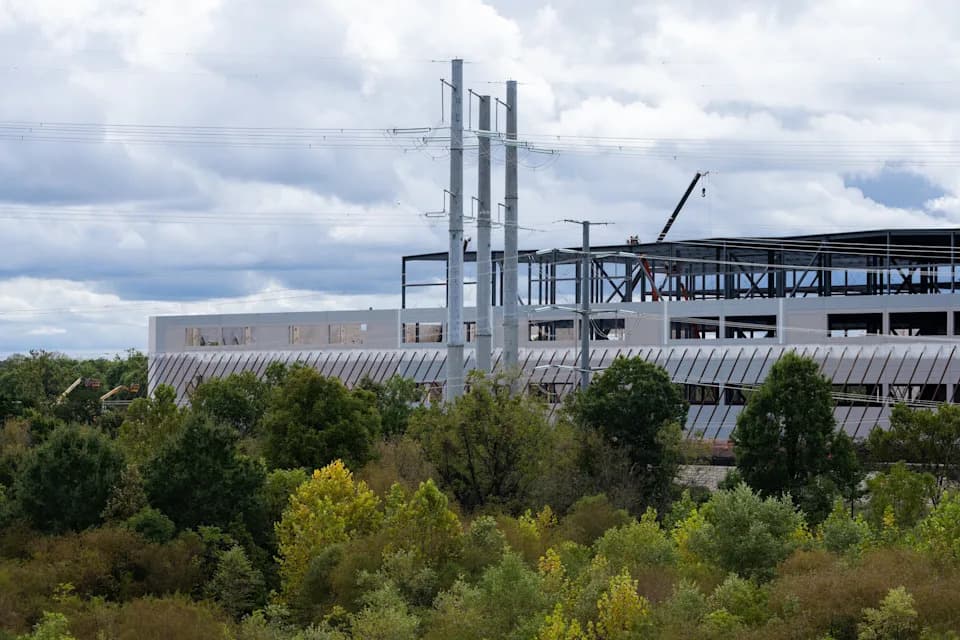
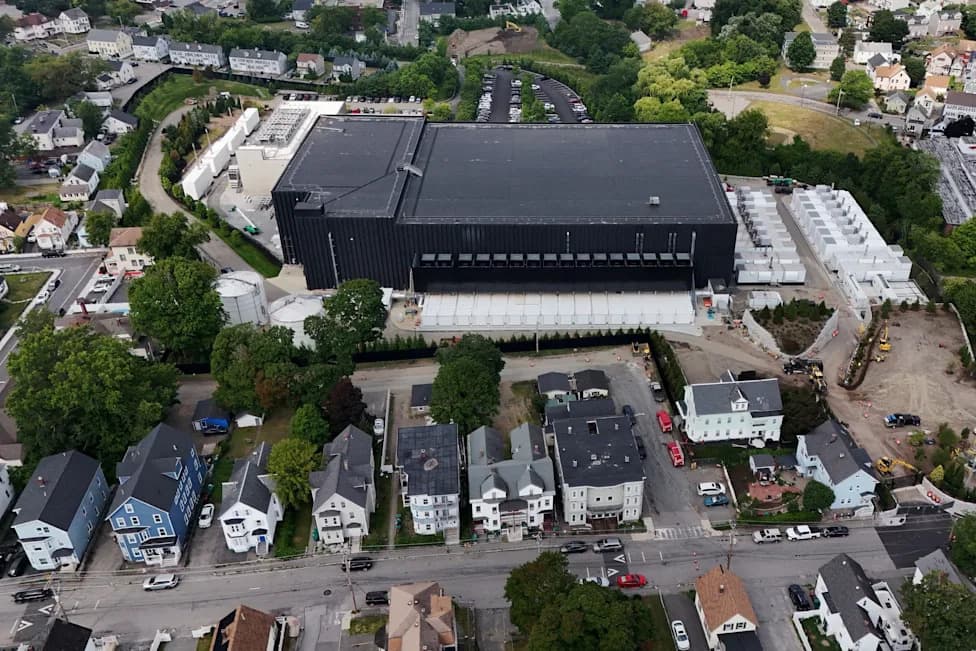
Concerns about the hidden costs of AI have also surfaced on college campuses. Fisk University unveiled a $1 billion revitalization plan that includes a proposed 70,000-square-foot data center the university says could produce long-term revenue. Local opposition grew after a tense town hall, and officials later enacted a moratorium on data center permits — including Fisk’s project — lasting until December 1.
Residents in some Southern communities where data centers have proliferated report dramatic utility bill increases, in some cases over 250 percent, reinforcing fears that such facilities create disproportionate economic and public-health burdens for Black and brown neighborhoods.
A. Prince Albert III, Adjunct Professor, Georgetown University: "Data centers now drive the largest surge in American electricity and water demand in a generation. Big Tech is siting them in Black and poor communities, raising utility bills, polluting the air, and draining watersheds."
What’s Next
The OpenAI retreat underscored a deeper tension: representation inside corporate spaces can help communities navigate emerging technologies, but presence alone does not remedy structural harms. Community advocates and experts are calling for stronger regulations, community protections, transparency around data-center siting, and meaningful commitments from AI companies to address both environmental and algorithmic harms.
Help us improve.