The Muldoons’ newborn son KJ was diagnosed with rare CPS1 deficiency after developing dangerously high blood ammonia shortly after his premature birth. CHOP stabilized him with dialysis, diet and medication while a multidisciplinary team rapidly developed a patient-specific CRISPR-based base-editing therapy nicknamed kayjayguran. On Feb. 25, 2025, KJ became the first human to receive this personalized treatment; he showed early clinical improvement and was discharged after 307 days in hospital. The case is an important proof of concept for individualized gene editing, though experts stress caution and the need for further study.
Saving Baby KJ: How a Personalized Gene-Editing Drug Gave a Newborn a Second Chance
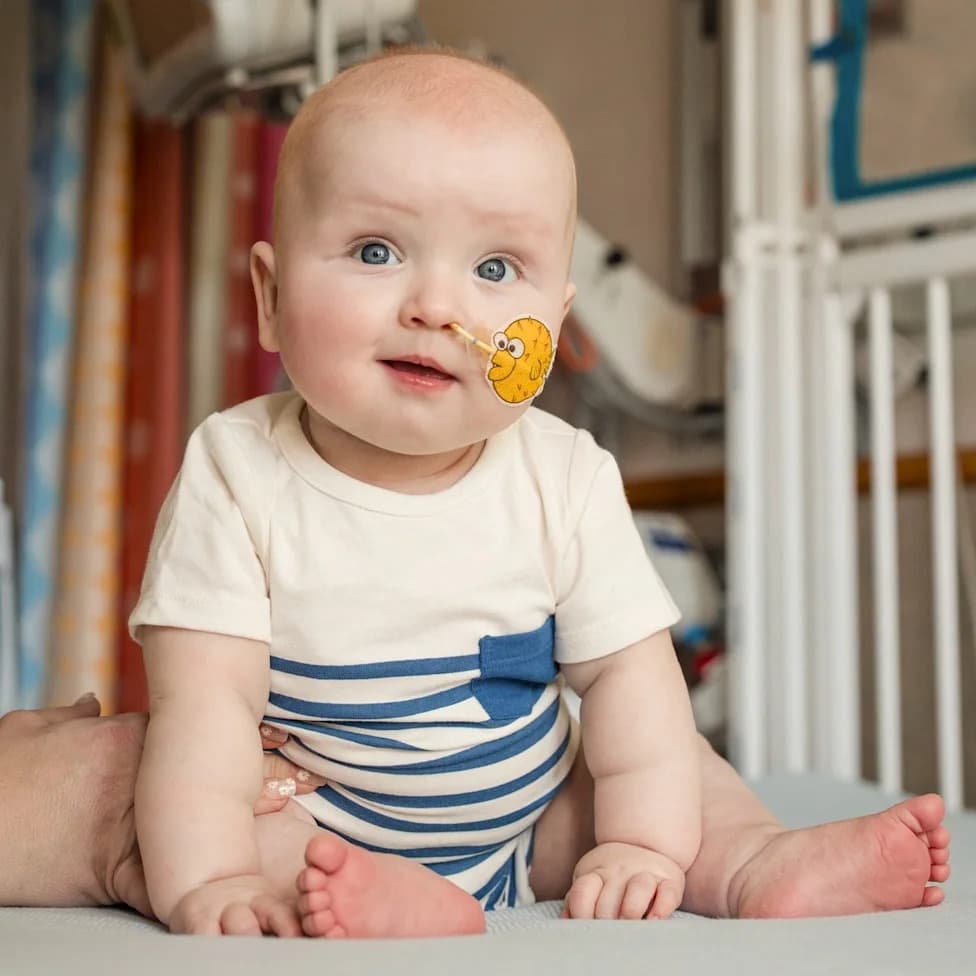
Courtesy Children's Hospital of Philadelphia
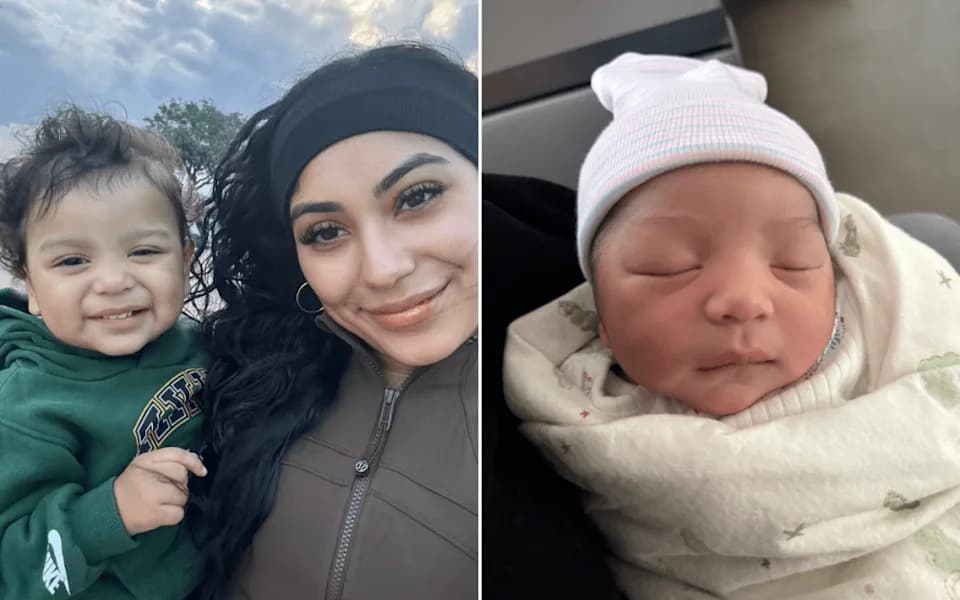
When Nicole and Kyle Muldoon first held their son KJ—born five weeks early on Aug. 1, 2024, at the Hospital of the University of Pennsylvania in Philadelphia—they called him "a peanut." Fragile and hooked to tubes in the neonatal intensive care unit, the tiny infant nevertheless prompted an immediate, fierce love and hope from his parents.
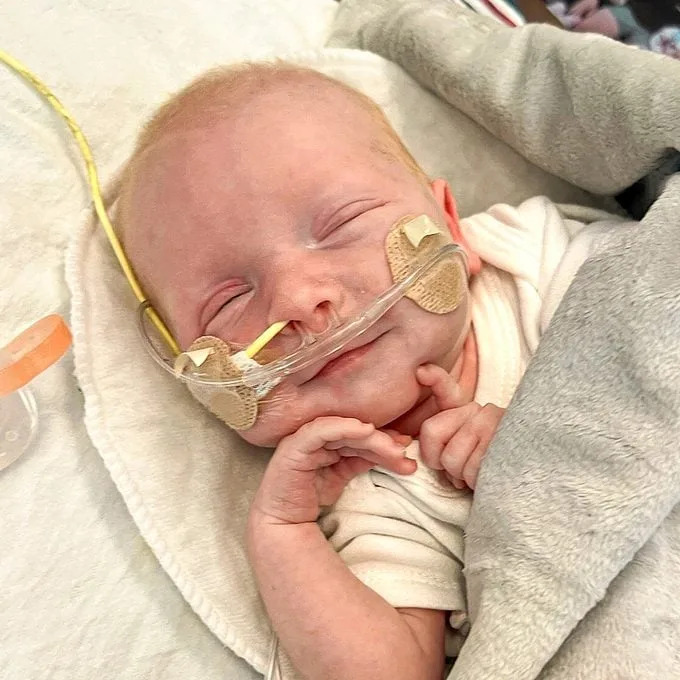
Two days after birth, clinicians noted that KJ was sleeping excessively, feeding poorly and struggling to maintain his temperature. Laboratory testing revealed alarmingly high blood ammonia, a sign of a metabolic disorder that, if untreated, can cause brain injury or death. The neonatologist arranged an urgent transfer to the Children’s Hospital of Philadelphia (CHOP), where a team led by metabolic physician and geneticist Rebecca Ahrens-Nicklas, MD, PhD, took over KJ’s care.
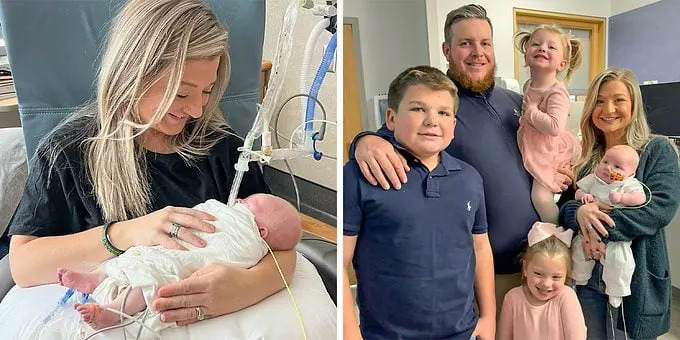
The Muldoon family, including children Sean, Kennedy and Carson, became a constant presence at KJ's bedside.
Rapid Diagnosis and Stabilization
At CHOP, doctors placed KJ on dialysis to remove excess ammonia and stabilize him. A powerful genetic test from Dr. Ahrens-Nicklas’s group—covering roughly 3,500 clinically relevant genes—revealed a diagnosis of carbamoyl-phosphate synthetase 1 (CPS1) deficiency. CPS1 deficiency is an extremely rare inherited disorder (about 1 in 1.3 million births) that impairs the body’s ability to process protein and can cause life-threatening hyperammonemia.
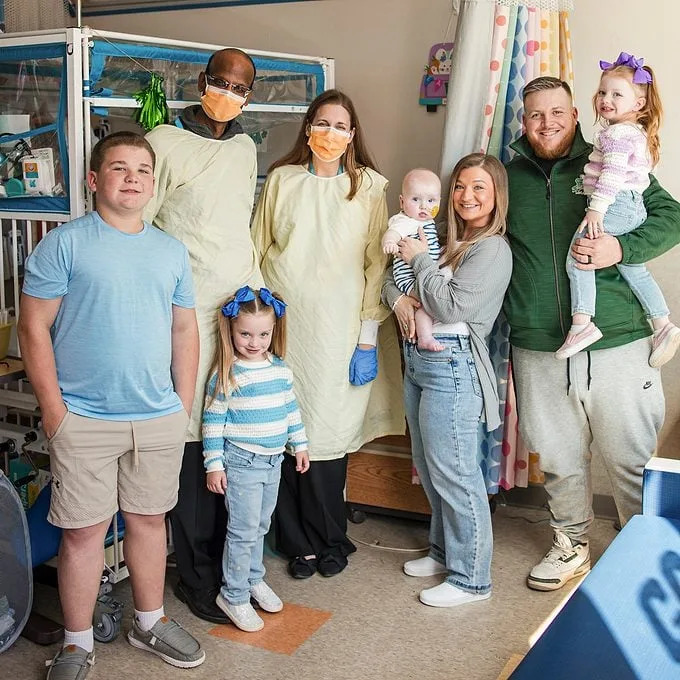
Dr. Kiran Musunuru and Dr. Rebecca Ahrens-Nicklas with the Muldoon family.
The medical team managed KJ with a strict protein-restricted diet and glycerol phenylbutyrate to control ammonia, and he was listed for liver transplant (eligible after his first birthday). Despite these measures, any infection or metabolic stress could still trigger a dangerous ammonia surge, so clinicians and the family searched for additional options.
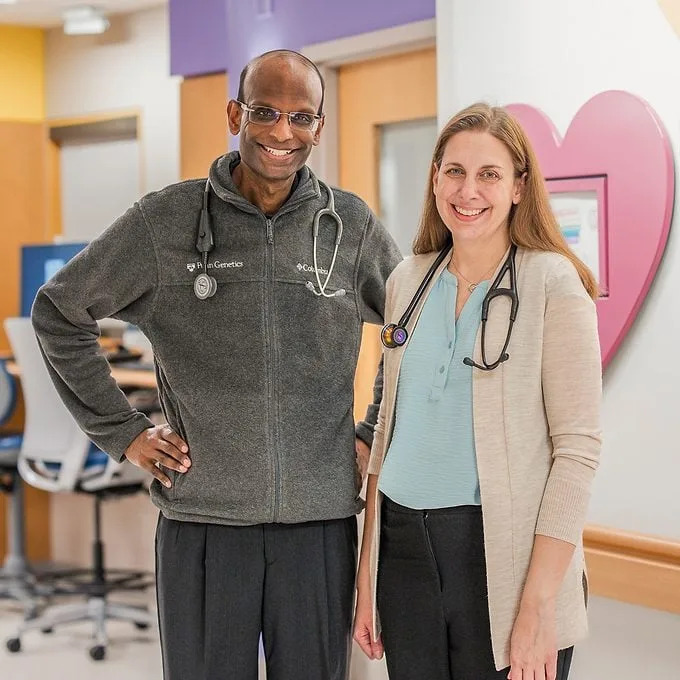
Dr. Musunuru, Dr. Ahrens-Nicklas and their team raced to develop a treatment for KJ's life-threatening condition.
A Bold, Personalized Approach
Recognizing the urgency, Dr. Ahrens-Nicklas contacted collaborators, including gene-editing specialist Kiran Musunuru, MD, PhD, MPH, to explore a novel, patient-specific therapy: a CRISPR-based base-editing drug designed to correct KJ’s exact CPS1 mutation. The team had been developing individualized gene-editing platforms for several years but had previously required more than a year to produce a tailored therapy—far too slow for infants in imminent danger. Over two years of method refinement shortened that timeline dramatically.
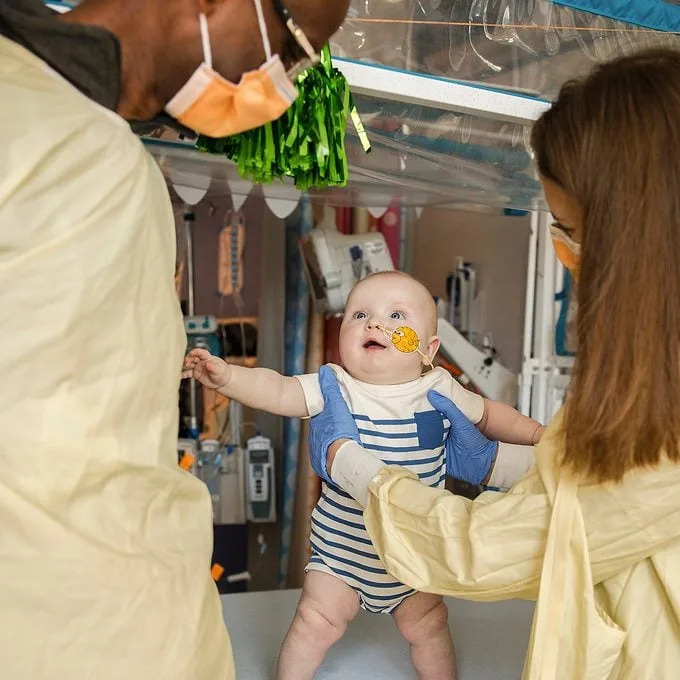
Employees at Children's Hospital of Philadelphia came to love KJ during his 10 months in their care.
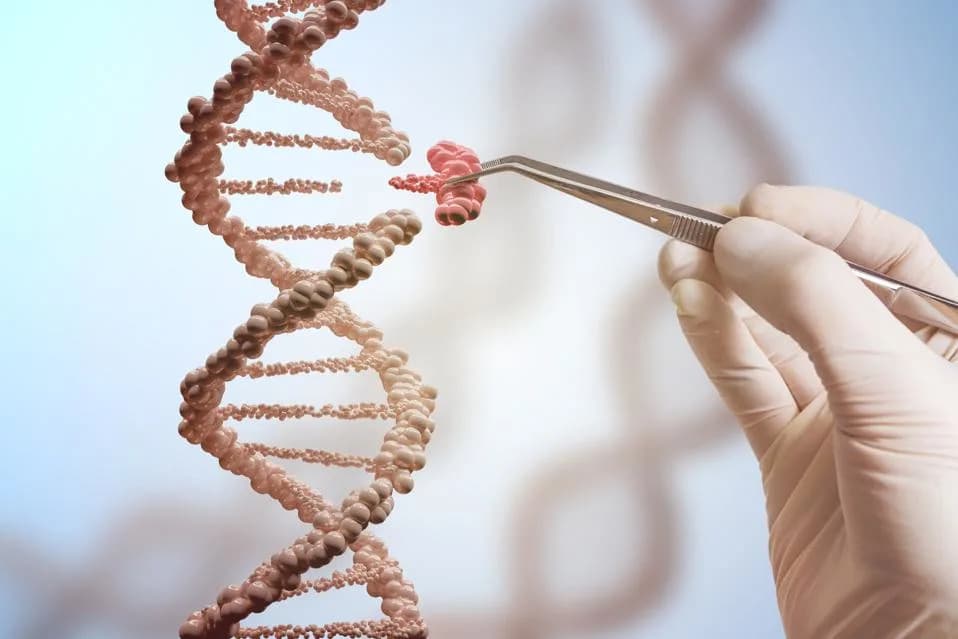
The custom treatment combined two components: a guide RNA that directs the editor to the precise location in the genome and a base editor that chemically converts one DNA letter to another to correct the mutation. Researchers first validated the approach in cells that carried KJ’s mutation and then conducted animal testing in mice and nonhuman primates.
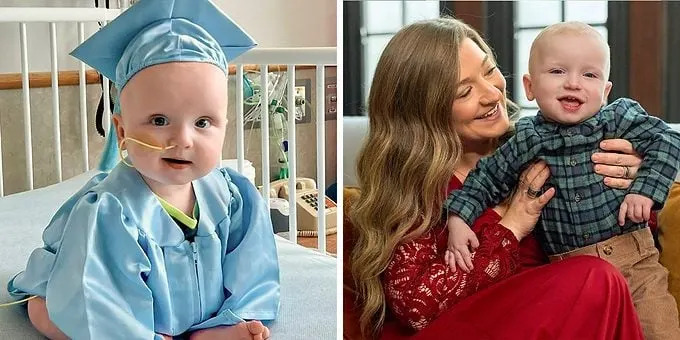
KJ wore a graduation cap and gown on the day he left the hospital, and he continues to grow stronger at home.
Collaboration, Speed and Regulatory Flexibility
Completing the therapy required coordination among universities, research labs and industry partners across the U.S. and Canada. Danaher and its affiliate Aldevron helped manufacture and assemble components; many partners limited charges to raw materials to control costs. The FDA granted an expedited emergency review that allowed the team to move to compassionate use under strict oversight.

The investigational drug, nicknamed kayjayguran, moved from design to initial human dosing in under seven months—a process that would otherwise typically take nearly a year. Researchers and clinicians described the effort as extraordinary cooperation and unprecedented speed.

THE TEEN WAS TRAPPED IN A CAR ACCELERATING OUT OF CONTROL. COULD IT BE STOPPED BEFORE HE RAN OUT OF ROAD?
The First Human Treatment
After repeated, careful discussions about risks and uncertainties, Nicole and Kyle consented to try the experimental therapy. On Feb. 25, 2025, staff infused a low dose of the personalized gene-editing drug into KJ over two hours while he was monitored closely in the ICU. The infusion proceeded without immediate complication; KJ slept through the procedure.

In the days after dosing clinicians observed early, encouraging signs: improved skin color, steady weight gain, and controlled ammonia levels even after stopping glycerol phenylbutyrate. He later received two higher-dose infusions without apparent serious adverse effects and continued to gain strength.
Discharge and Outlook
After 307 days at CHOP, KJ was discharged on June 3, 2025, celebrated by hospital staff and escorted home by a Philadelphia Police Department motorcycle unit. In the months since leaving the hospital, KJ has continued to improve: he took his first steps in December and has gained weight enough for a larger Philadelphia Eagles jersey.
Clinicians and researchers emphasize that this single case is an early proof of concept rather than definitive proof of safety or efficacy for others. The intervention demonstrated that a personalized base-editing therapy could be produced rapidly, safely administered, and associated with meaningful clinical improvement in one infant. Ongoing follow-up and broader research will be needed to assess long-term outcomes, risks, and reproducibility.
Broader Implications
This case highlights the potential of individualized gene-editing approaches for rare, life-threatening genetic disorders and underscores the importance of collaboration among clinicians, scientists, industry partners, regulators, and families. While cautiously optimistic, experts call for continued rigorous study, transparent reporting, and careful ethical oversight as personalized genomic medicines move from exceptional compassionate use toward broader clinical application.
Note: The investigational therapy for KJ was developed and administered under an expedited, case-specific process with regulatory oversight. Outcomes for other patients may vary and require separate study.
Help us improve.