Military convoys continue to shuttle people to the Tarajal crossing while Madrid says it has returned 'almost everyone'. Local officials estimate up to 5,000 migrants remain across Ceuta, and two reception centres have been overwhelmed. Hundreds of unaccompanied children are exposed and reliant on limited emergency aid as NGOs appear absent and smuggling networks adapt. Spain is returning Moroccan nationals but faces a growing humanitarian challenge if many non-Moroccan migrants cannot be readmitted.
Ceuta Crisis: Madrid Says 'Almost Everyone' Returned — Thousands Still Stranded
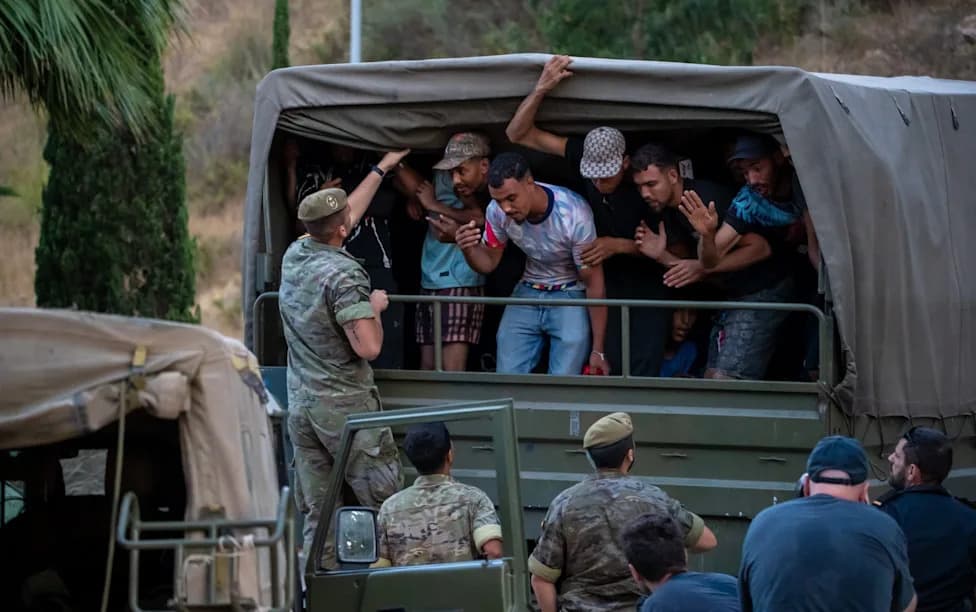
Migrants are escorted from Ceuta towards the Moroccan border - Antonio Sempere/AP
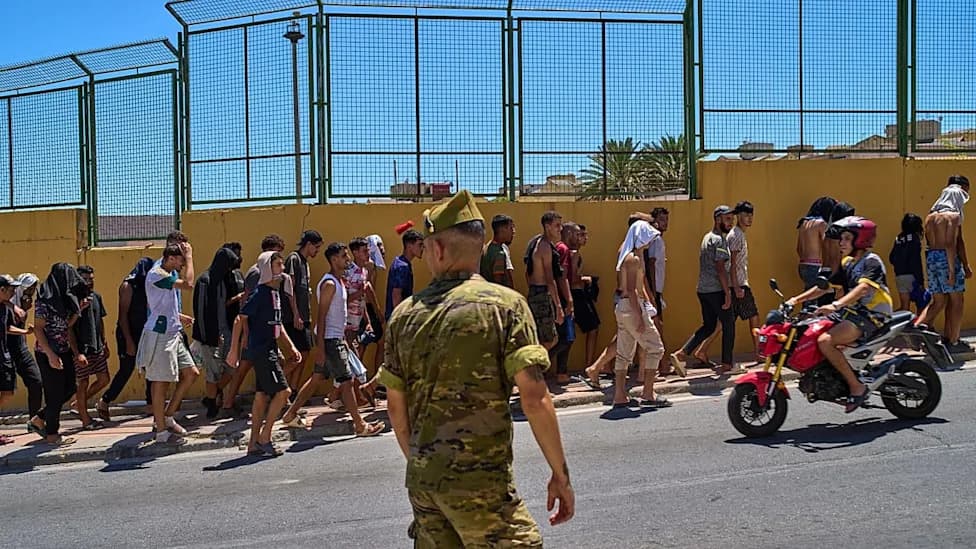
Military lorries loaded with migrants continue to roll toward the Tarajal crossing, escorted by Spanish security forces. As some men leap from the backs of the trucks in the streets near the docks, the convoys pass through the frontier fence and return empty to pick up more people.
Discrepancy Between Official Claims and Reality
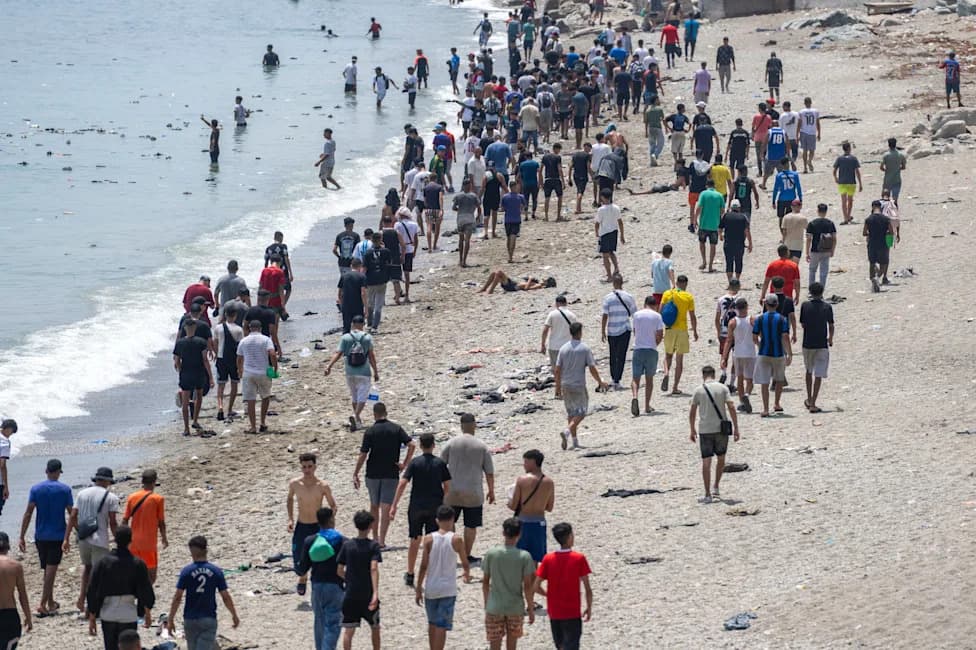
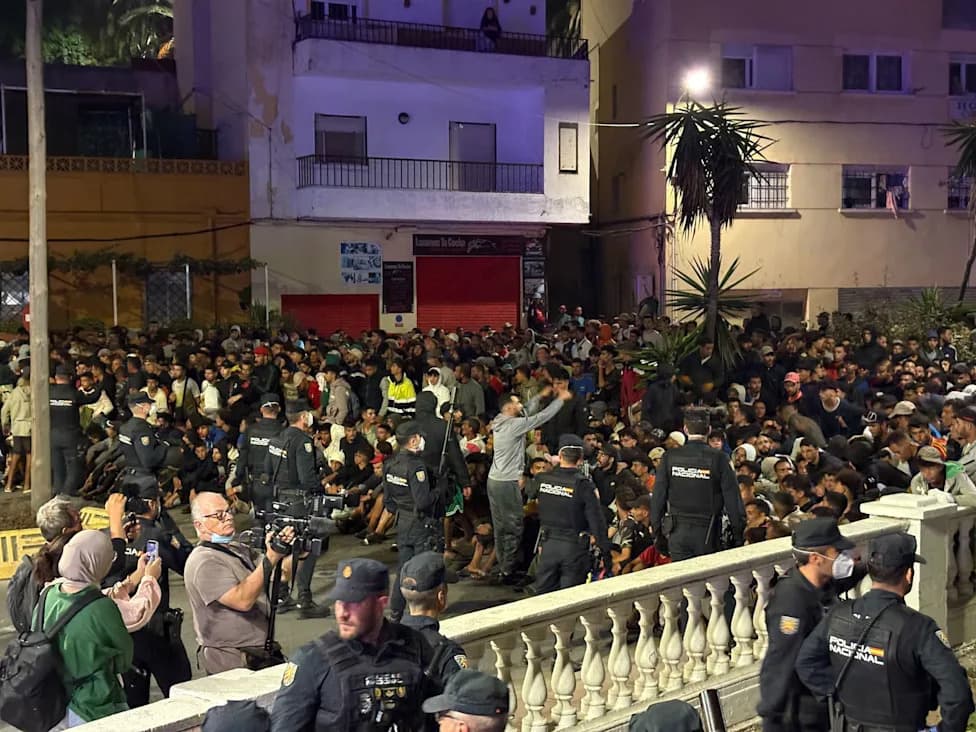
The Spanish government presents these operations as evidence that order is being restored after the largest mass crossing in Ceuta's history, saying 'almost everyone' who entered last week has been returned to Morocco. But away from the border gate the picture is very different: local officials estimated that up to 5,000 migrants remain scattered across beaches, industrial areas and city streets, and the mayor said two reception centres—one for adults and one for minors—had 'collapsed' under the pressure.
Who Remains—and Why They Can’t All Be Returned
Moroccan nationals are still being escorted back across the frontier and handed to local authorities. Spanish intelligence concluded that Morocco did not plan the mass crossing but effectively allowed it to happen. Security sources say Moroccan authorities are refusing to readmit many migrants from sub-Saharan Africa, leaving Spain with large numbers of people whose legal status and future remain uncertain.
Humanitarian Consequences
Thousands are sleeping outdoors on Ceuta's beaches, in abandoned corners of the port and around the Temporary Migrant Reception Centre (CETI), sheltering beneath trees, in warehouses or with only blankets and towels for protection. Many migrants interviewed said they had gone several days without food; the Spanish army has been the most visible provider of assistance on the ground, deploying water tanks at Tarajal.
Among those stranded are hundreds of unaccompanied children. Authorities reopened the Tarajal warehouses used during the May 2021 crisis as an emergency refuge; hundreds of boys and girls are now gathered there. The reporting found no evidence that major humanitarian organisations are providing sustained care for these children, and residents describe patrols in some areas that appear intended to intimidate minors into returning to Morocco.
Security Concerns And Smuggling
Investigators say criminal networks are adapting quickly: police sources report jet-ski operators offering clandestine crossings to mainland Spain for significant sums. Several videos circulating on social media have also drawn investigators' attention, showing individual migrants who boast of prior convictions in other countries. Spanish authorities stress these clips concern specific people and are not representative of the large majority who crossed.
Official Response
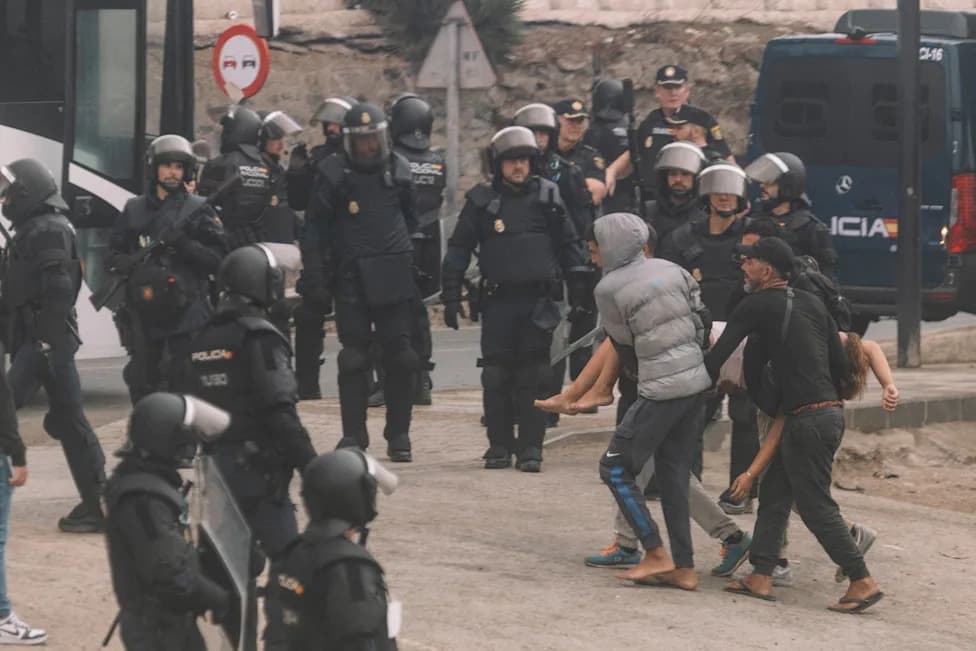
Defence Minister Margarita Robles called for a full investigation, saying 'children cannot be used by sending them to their deaths' and insisting that those who encouraged or facilitated the crossings be held accountable. Madrid's immediate priority remains maintaining control of the border and continuing return operations; troops will remain deployed in Ceuta 'for as long as necessary,' Robles said.
With Morocco continuing to accept some nationals but reportedly declining to readmit many sub-Saharan migrants, Spain faces a prolonged humanitarian and political challenge. For now there is no clear timeline for how or when the journeys of thousands of people in Ceuta will continue.
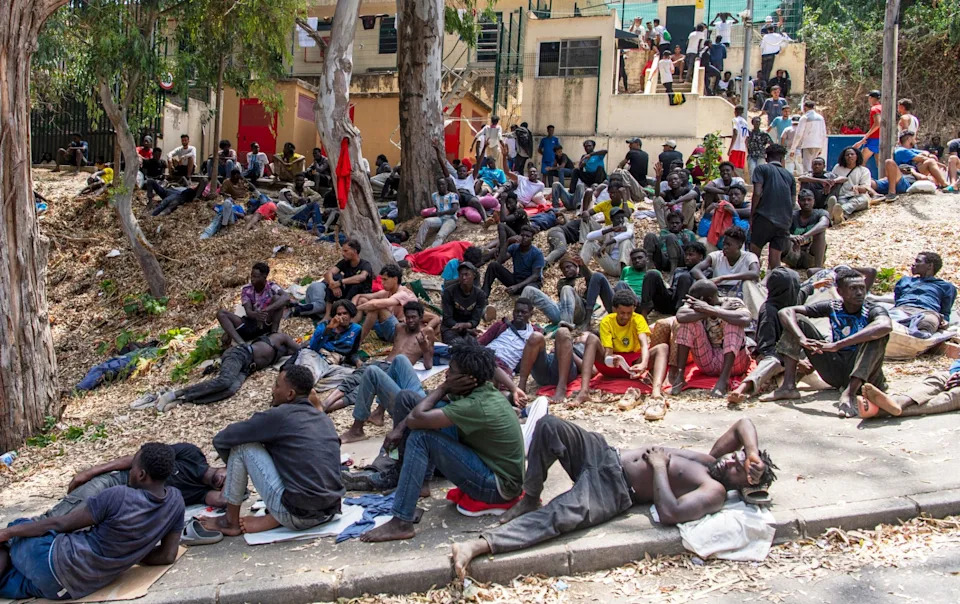
People rest outside a temporary centre for immigrants after crossing from Morocco - Antonio Sempere/AP
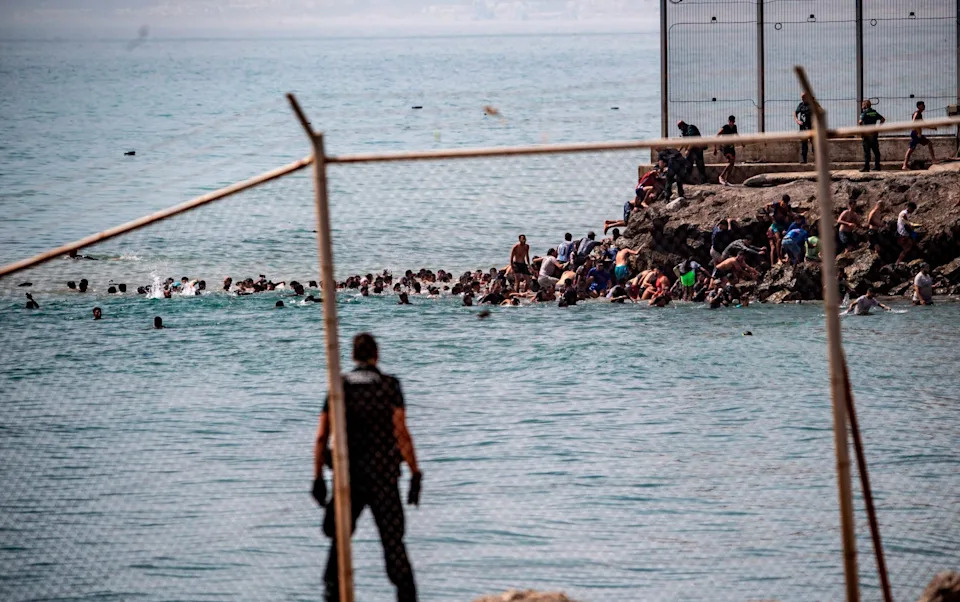
Thousands of migrants arrived in Ceuta on July 30 - Antonio Sempere/AP
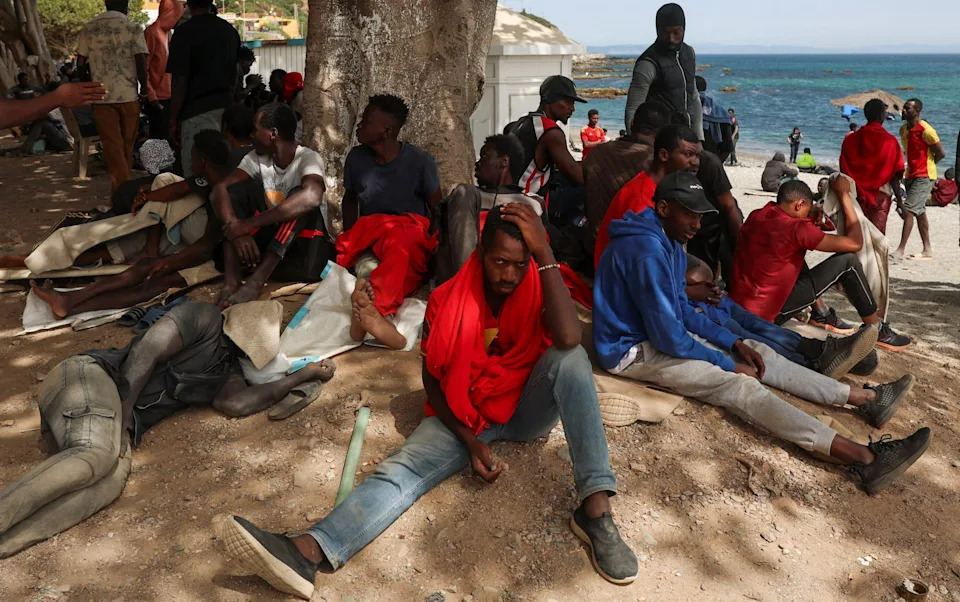
Migrants rest in the shade as they wait for news of what lies ahead for them - Violeta Santos Moura/REUTERS
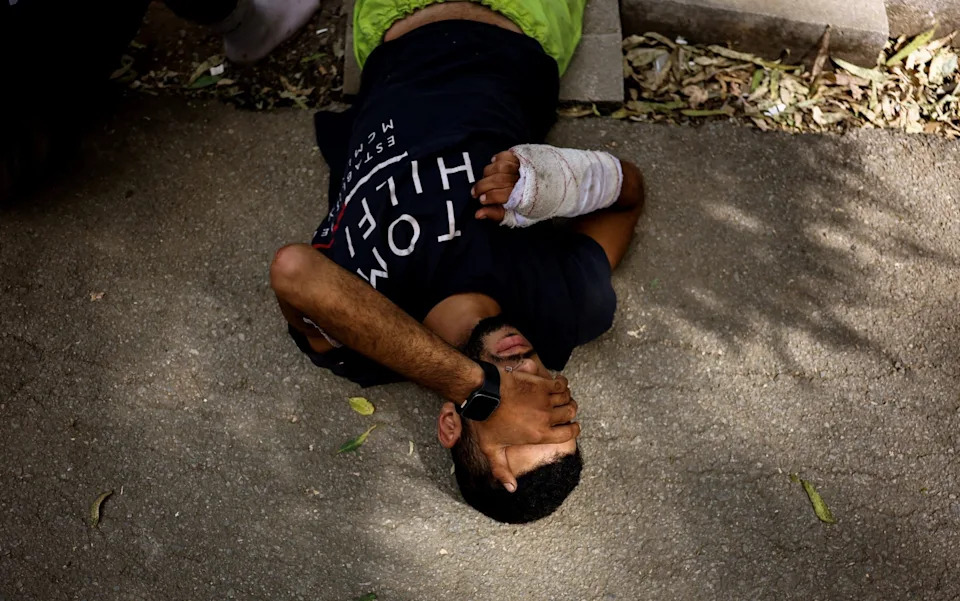
Many migrants are struggling to sleep in the exclave - Pedro Nunes/REUTERS
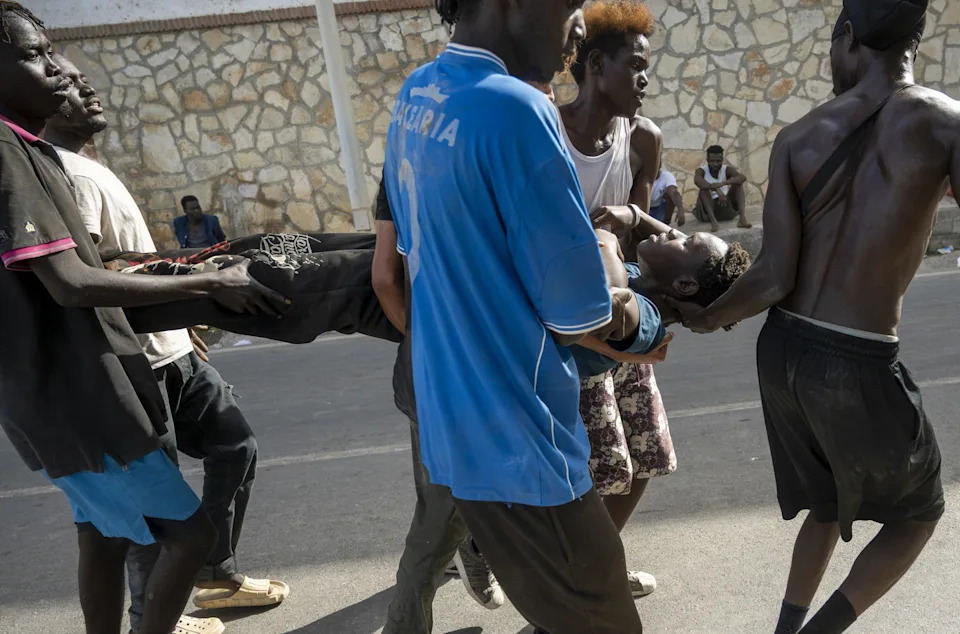
People help an injured migrant - Marcos Moreno/Anadolu/Getty Images
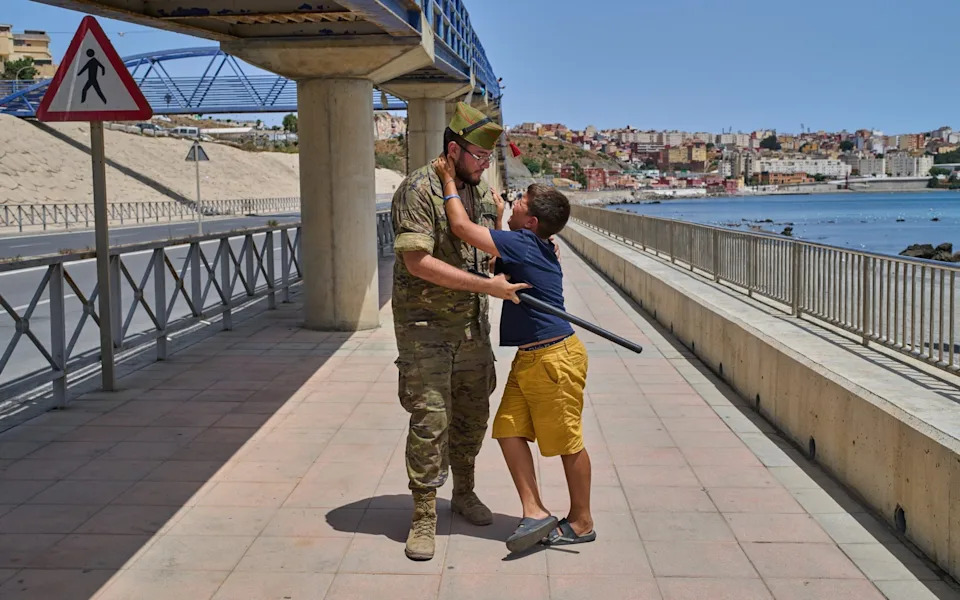
A 12-year-old boy begs a Spanish soldier not to be sent back to Morocco - Bernat Armangue/AP
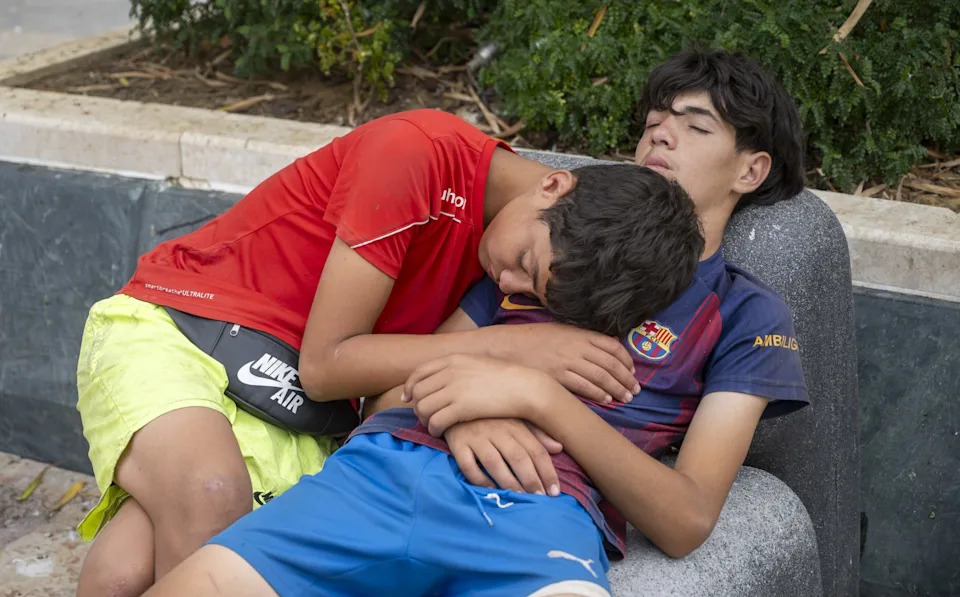
Children sleep near the government delegation in Ceuta - Marcos Moreno/Anadolu/Getty Images
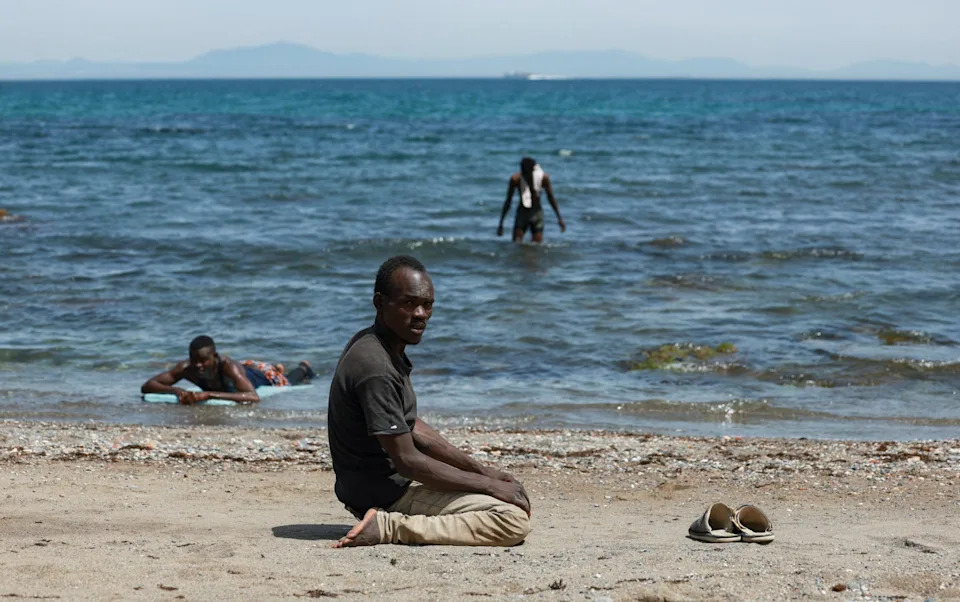
A migrants prays on the beach - Violeta Santos Moura/REUTERS
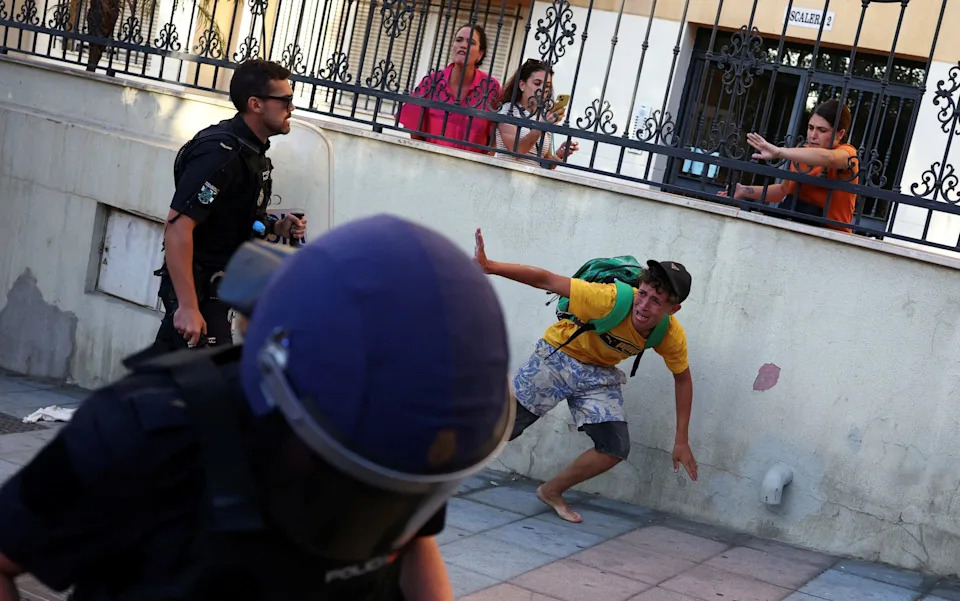
A migrant reacts after being struck by a police baton during clashes on Sunday - Pedro Nunes/Reuters

Sign up to the Cables newsletter
Help us improve.