Ian Bremmer interviews former cabinet minister Rory Stewart on GZERO World about why Britain has had seven prime ministers in ten years. Stewart identifies Brexit as the key fracture that splintered traditional party loyalties and left both Conservatives and Labour struggling to meet voter expectations. Growing public frustration has opened space for insurgent movements like Reform UK, and the programme questions whether new figures — including Andy Burnham as discussed in the interview — can offer a lasting alternative amid deeper economic and structural challenges.
Seven Prime Ministers in Ten Years: How Brexit and Broken Promises Upended British Politics

Why has Britain had seven Prime Ministers in ten years?
Seven prime ministers in a decade — a dramatic shift for a country once known for steady governance. On GZERO World, Ian Bremmer speaks with former UK cabinet minister Rory Stewart about the political forces that have turned British leadership into what many describe as a revolving door.
What Broke the System
Stewart argues that Brexit was a pivotal rupture. The 2016 referendum exposed and widened divisions within both major parties, eroding long-standing voting patterns and party loyalties. As the Conservative and Labour parties struggled to present consistent, credible responses to voters’ concerns, public confidence weakened and political fragmentation increased.
Voter Frustration and New Movements
Rising public frustration — driven by stalled living standards, austerity-era resentments and a sense that traditional politicians are out of touch — has created fertile ground for insurgent movements such as Reform UK. These groups have capitalized on anger and offered simple, often polarizing messages that resonate with disaffected voters.
Stewart warns that the political system’s breakdown is structural: it is not only about personalities at the top but about parties failing to deliver on economic and social expectations.
Is There a New Alternative?
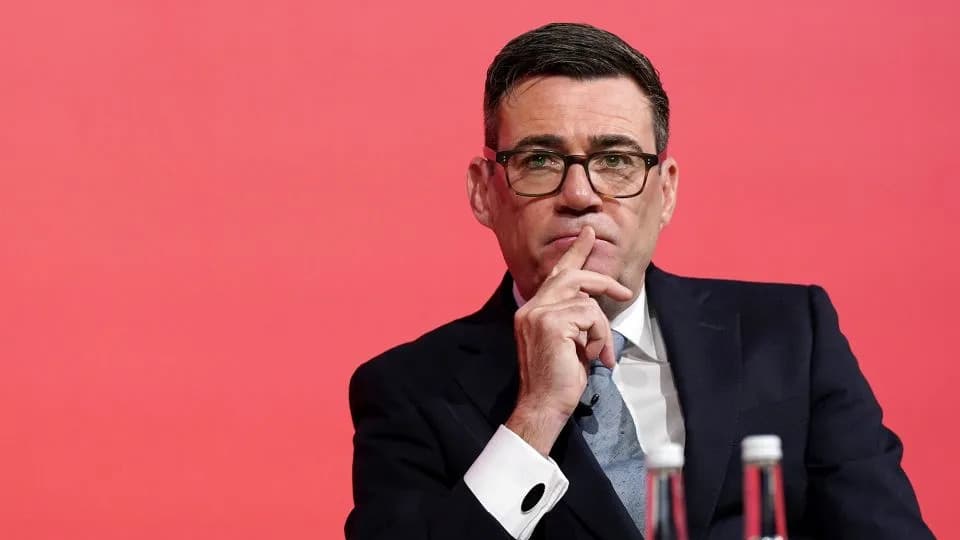
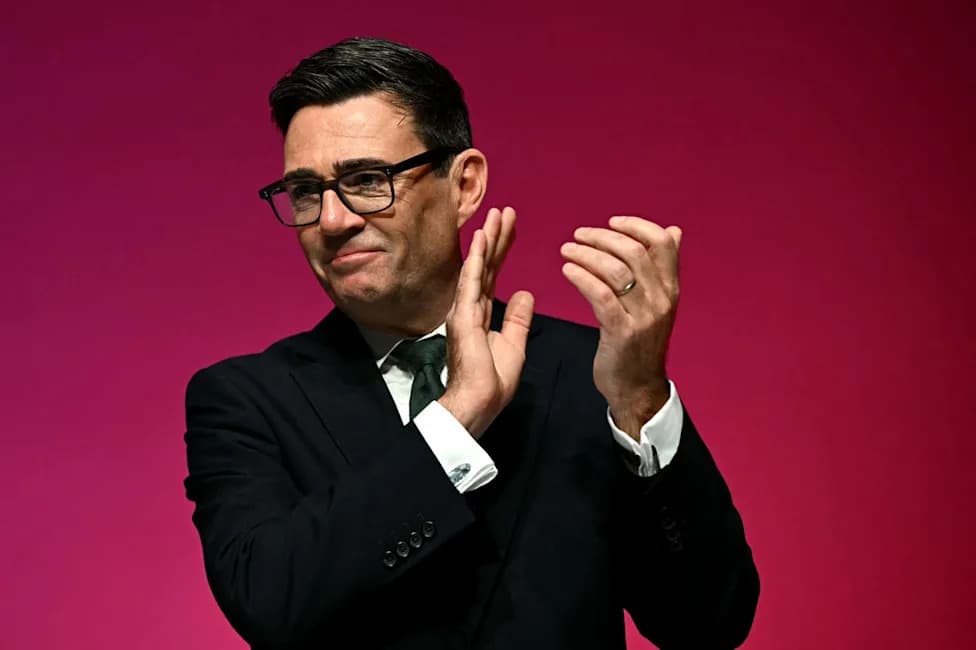
The interview also explores whether figures presented as new options for leadership can actually shift the dynamic. Ian Bremmer and Stewart discuss whether Andy Burnham — described in the piece as the new prime minister — represents a genuine political alternative, or whether Britain’s deeper economic and institutional challenges mean the current instability could persist.
Bottom line: The turnover of prime ministers reflects long-term, systemic shifts rather than isolated leadership failures. Unless parties reconnect with voters’ core concerns and address structural economic problems, political volatility is likely to continue.
Help us improve.