The NHS emergency system is experiencing sustained, year-round pressure as summer heatwaves push demand beyond the traditional winter peak. Royal Cornwall Hospitals Trust reported some of its busiest days ever and said most attendances are from local residents, not tourists. Clinicians warn the pattern has shifted from a seasonal winter crisis to a continuous challenge, while the government has pledged £450m this year to reduce A&E waits and tackle social care pressures.
Summer Heatwaves Push NHS Into Year-Round Pressure, Warns Emergency Consultant

James Gagg says seasonal crises have evolved into a "year-long, constant crisis" [BBC]
The NHS emergency system is facing sustained pressure throughout the year rather than the usual winter peak, senior clinicians warn, as rolling summer heatwaves drive a surge in demand.
Rising Demand Across Seasons
James Gagg, an emergency consultant and vice-president of the Royal College of Emergency Care, said the seasonal spike that used to be confined to winter has become a year-long problem. He warned that extreme summer temperatures are intensifying an already stretched system.
"This isn't a surprise that these problems are occurring but it is a new phenomenon seeing the problems in the summer," Gagg said. "We have seen year on year that the problem of winter crisis has evolved into a year-long, constant crisis with the added problem of the extreme temperatures we are seeing now."
Impact in Cornwall
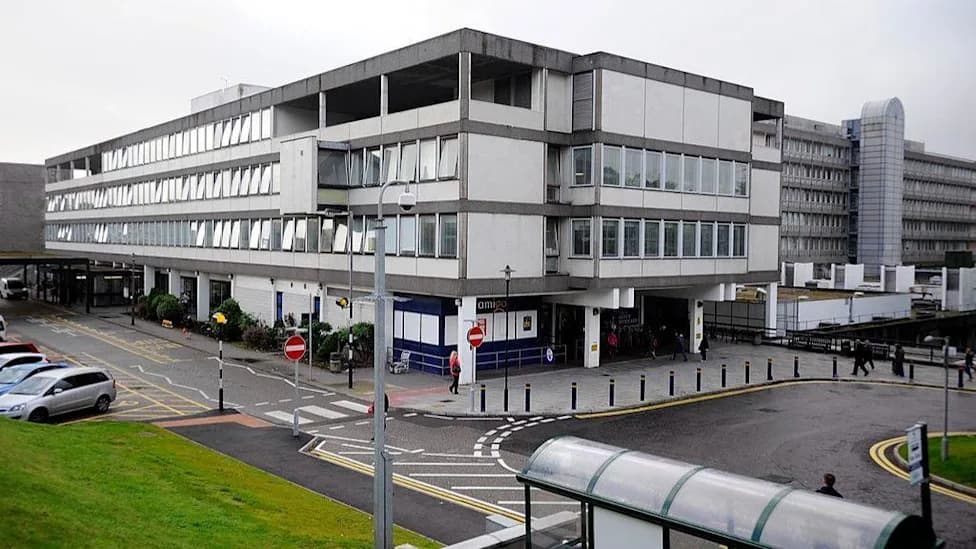
Leaders at the Royal Cornwall Hospitals Trust (RCHT) reported staff were dealing with "some of the busiest days ever." Dr Merry Kane, RCHT's chief medical officer, said the increase in attendances is driven mainly by local residents rather than tourists.

Dr Merry Kane and Robin Jones said Cornwall hospitals were under constant pressure [BBC]
"The high attendances are predominantly from the population of Cornwall," Dr Kane said. "Tourists are welcome to access our services when they need us, but the increase is very much down to the local population."
The NHS said A&E departments recorded their busiest month on record in June, attributing the peak to a combination of heatwaves and the World Cup.
How Hospitals Are Responding
Robin Jones, chief operating officer at RCHT, said the trust is using more escalation capacity than last year and, in some cases, making temporary use of corridors to manage patients. He stressed the trust has a clear plan to eliminate corridor care and reduce emergency department length of stay.
"We are determined to reduce the length of stay for people in our emergency department and stop corridor care for good," Jones said.
Government Action
The Department of Health and Social Care pointed to an urgent and emergency care plan that includes £450m of funding this year. Officials say the strategy also aims to tackle underlying causes of pressure on A&E, including reforms to the social care system to ease hospital discharge and free up beds.
Clinicians and trust leaders emphasise that a resilient healthcare system must be able to meet patient needs regardless of season or extreme weather events.
Help us improve.