Nearly 30% of pupils in Gloucestershire’s most deprived areas are overweight or obese by the end of primary school, compared with 14.8% from less deprived backgrounds. The county council is drafting a Healthy Weight Strategy after research found many children in deprived areas often skip meals. Officials and charities warn the problem worsens during long school holidays when free school meals are unavailable, and parents report rising grocery bills and difficult food choices.
Nearly 30% Of Pupils In Gloucestershire’s Most Deprived Areas Are Overweight Or Obese By Year 6
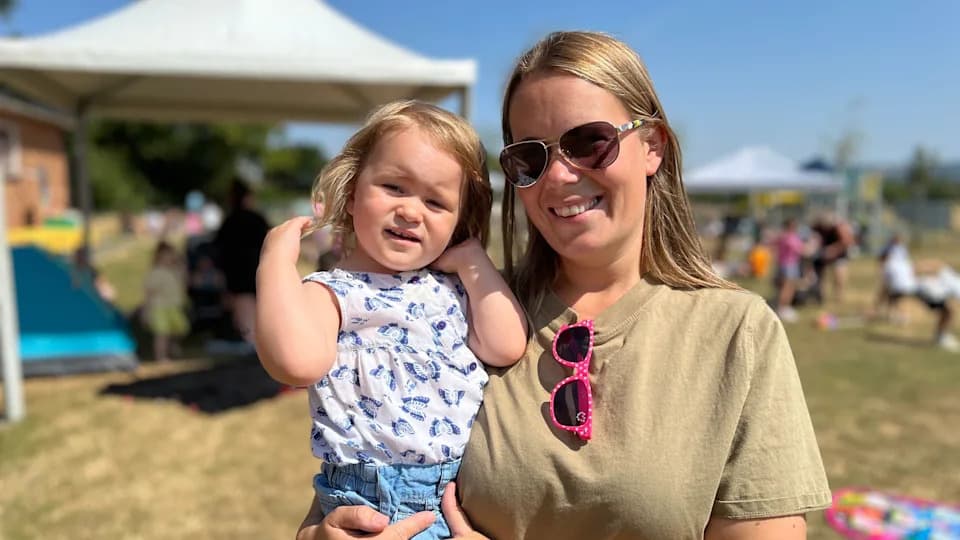
Mother-of-three Kirsty has seen the cost of her food shop increase [BBC]
Nearly three in 10 pupils from the most deprived parts of Gloucestershire are recorded as overweight or obese by the time they finish primary school, a new council report shows.
Figures published by Gloucestershire County Council put the rate for pupils from deprived areas at almost 30%, compared with 14.8% among children from less deprived backgrounds. Public health manager Callum Gutteridge said the numbers equated to the number of Year 6 pupils starting secondary school overweight being the equivalent of about 37 bus loads of children.
Councils, Charities And Families Respond
The council is developing a Healthy Weight Strategy aimed at tackling the health inequalities that affect children and adults across the county. Proposals are expected to be submitted for approval in September or October.
Gutteridge told Gloucestershire’s health and well-being board that “unhealthy weight is fundamentally an inequalities issue” and warned the problem becomes more acute during the long summer holidays when children who qualify for free school meals cannot access that support.
“Food poverty is a huge problem all over the country but in Gloucestershire as well — summer holidays can be really challenging,” said Rob Charsley, head of communities at YMCA Cheltenham.
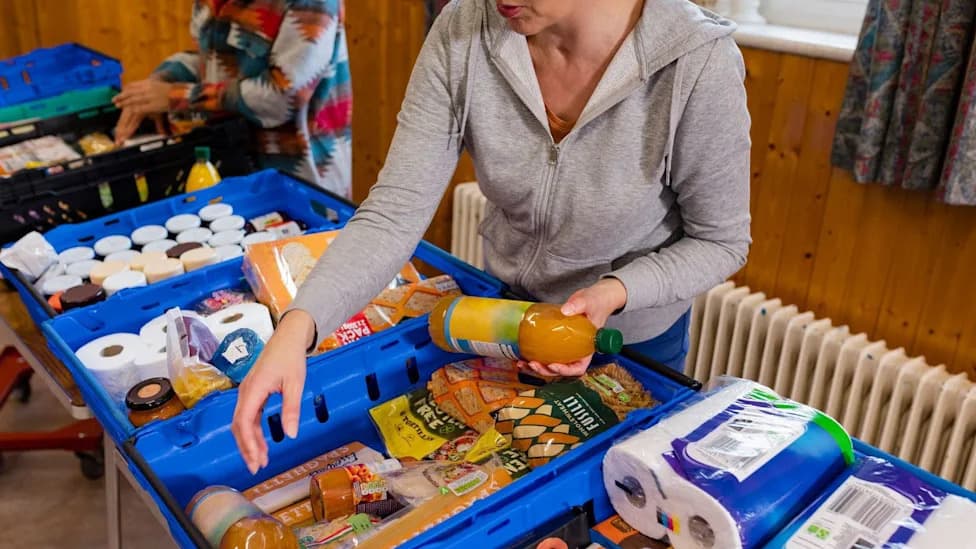
Local charities such as YMCA Cheltenham and Bloodhound Education run holiday programmes that combine physical activity with healthy meals. Kirsty Allpress, CEO of Bloodhound Education, said these events give children a chance to try different foods and experience healthy eating in a supportive setting.
Families Describe Rising Costs And Tough Choices
Parents in Cheltenham described the pressure of rising food bills. A mother-of-three named Kirsty said her weekly shop has risen to about £160, up from £100–£120 previously. Another parent, Atlanta, said the cost of living had “massively” affected her grocery bills and that before she returned to work her family often relied on cheaper, lower-quality brands.
Another local mother, Lauren, highlighted the stark price differences between fruit and processed snacks: “You can get a punnet of strawberries at £3.50 but you can get six packets of crisps for £1.50. It just doesn’t make sense.”
Councillor Paul Hodgkinson, the county council’s cabinet member for health, said the Healthy Weight Strategy is part of a “shared ambition” to make the county a place where every resident can maintain a healthy weight.
The council’s report and the planned strategy aim to address both immediate needs — such as holiday provision of meals — and longer-term measures to reduce health inequalities linked to poverty and diet.
Help us improve.