MiAlgae grows omega-3–rich microalgae using liquid byproducts from Scotch whisky distilleries, converting a low-value waste stream into oil-rich biomass. The dried algae are sold as a drop-in replacement for fish meal and fish oil, currently to pet food makers and soon to aquafeed customers. The company is building its first commercial plant to produce thousands of tonnes per year and was a 2024 Earthshot Prize finalist.
Scottish Startup Turns Whisky Waste Into Omega-3 to Protect Wild Fish

This Scottish startup saves wild fish by replacing them with Omega-3 algae fed on whisky waste
MiAlgae, a Scottish start-up, is tackling a hidden sustainability problem in aquaculture by producing omega-3 fats from microalgae grown on liquid waste from Scotch whisky distilleries. The company says its approach can replace fish oil and fish meal made from wild-caught fish, reducing pressure on already strained ocean stocks.
Why It Matters
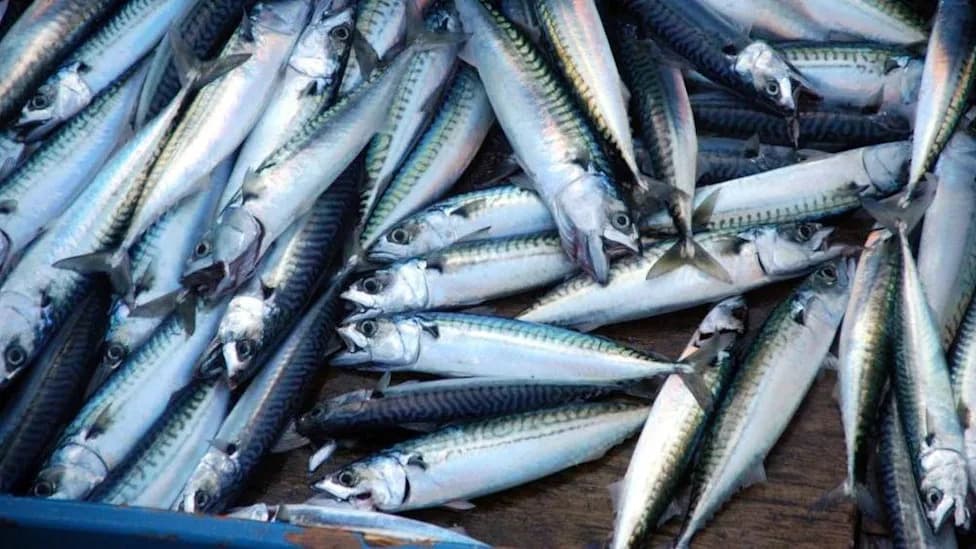
Aquaculture is now the world's largest source of fish for human consumption, but many farmed species — especially salmon — are carnivores that depend on omega-3 fatty acids. Today most omega-3s in aquafeed come from fish oil, which is extracted from wild-caught fish. That creates a growth paradox: expanding aquaculture can increase demand on wild fisheries.
"The sustainable limits of what you can catch out of the ocean at the moment have been reached," says Douglas Martin, founder and CEO of MiAlgae. "You can't physically catch any more out of the seas."
MiAlgae's Solution
MiAlgae moves production to the base of the food chain: microalgae. Fish do not synthesize omega-3s themselves; they obtain them by eating algae. By cultivating the algae directly, MiAlgae bypasses the need to harvest wild fish for oil.
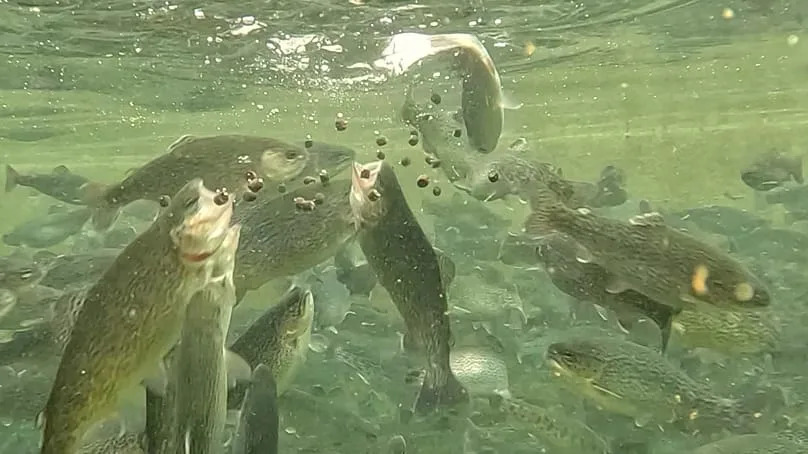
Carnivore fish still depend on wild-caught fish for feed - Getty Images
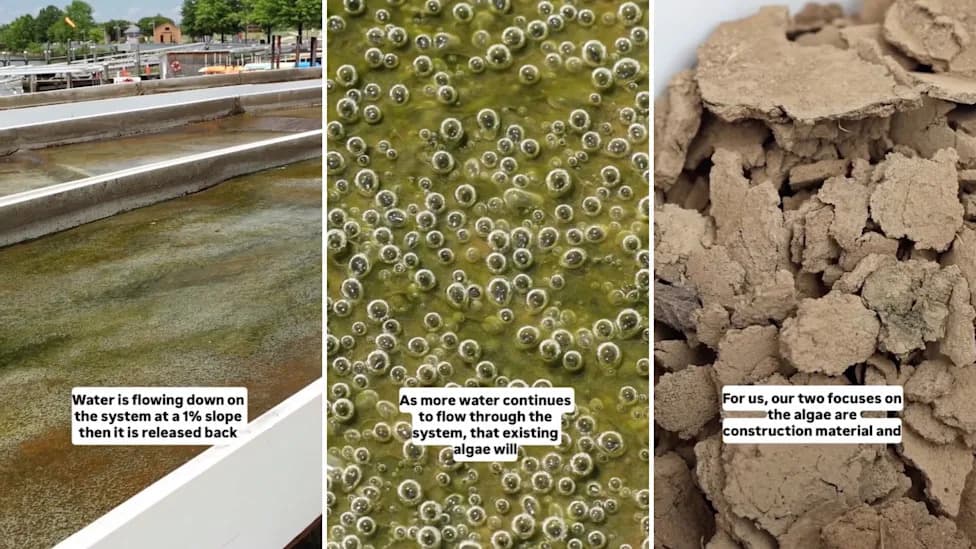
The company’s innovation is an economical feedstock: the liquid byproduct from Scotch whisky distilling. After distillers extract ethanol from an 8% alcohol "wash," roughly 92% of the liquid remains as a low-value waste stream produced in billions of litres annually across Scotland. MiAlgae feeds that liquid to algae cells in large stainless-steel tanks, where the organisms grow into an oil-rich biomass.
How It Works
"It's a bit like brewing," Martin explains. A small starter culture of algae is added to tanks containing whisky byproducts and other nutrients. The algae multiply, convert the waste into lipids, and are then harvested, dried and bagged as a direct substitute for fish meal and fish oil.
Markets and Scale
MiAlgae currently sells dried algae to pet food manufacturers as a drop-in replacement and is courting aquafeed customers. The company is building its first commercial production site, which Martin says will produce thousands of tonnes per year — meaningful for a start-up but still a small fraction of global omega-3 demand.
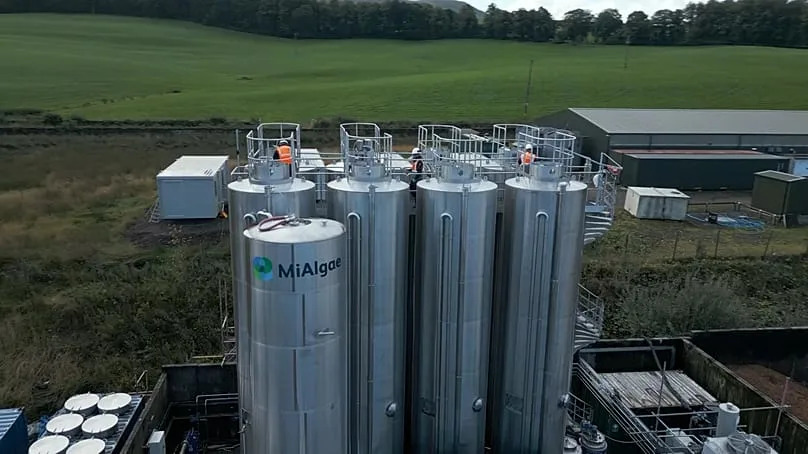
MiAlgae production tanks - The Earthshot Prize
On price, MiAlgae accepts the challenge of competing with cheap fish oil but frames its offering on value per unit of omega-3 delivered. The company aims for cost parity with global fish oil supplies as it scales up.
Recognition and Potential
MiAlgae was a finalist for the 2024 Earthshot Prize, a recognition the company says improved credibility and industry interest. If the approach can be scaled economically, it has the potential to reduce pressure on wild fisheries and create value from distillery waste — but mass impact will require many more sites and broader industry adoption.
Bottom Line: Growing omega-3s from microalgae fed on whisky byproducts offers a promising, more circular alternative to fish-derived oils, but scaling and cost competitiveness remain the key hurdles.
Help us improve.