Doctors successfully performed a novel in-utero operation to repair complex gastroschisis in baby Theo at 26 weeks gestation, making him the third child worldwide to receive this experimental repair. Maisie Savage underwent preparatory Botox treatment in Belgium before surgeons at Texas Children's Hospital used minimally invasive techniques to return Theo’s intestines to his abdomen. The procedure had no complications, Theo was carried to term and is now a healthy five-month-old. Teams at Great Ormond Street and Texas Children's hope to expand access if the trial continues to succeed.
Pioneering In-Utero Surgery Repairs Baby’s Gastroschisis — ‘A Little Miracle’
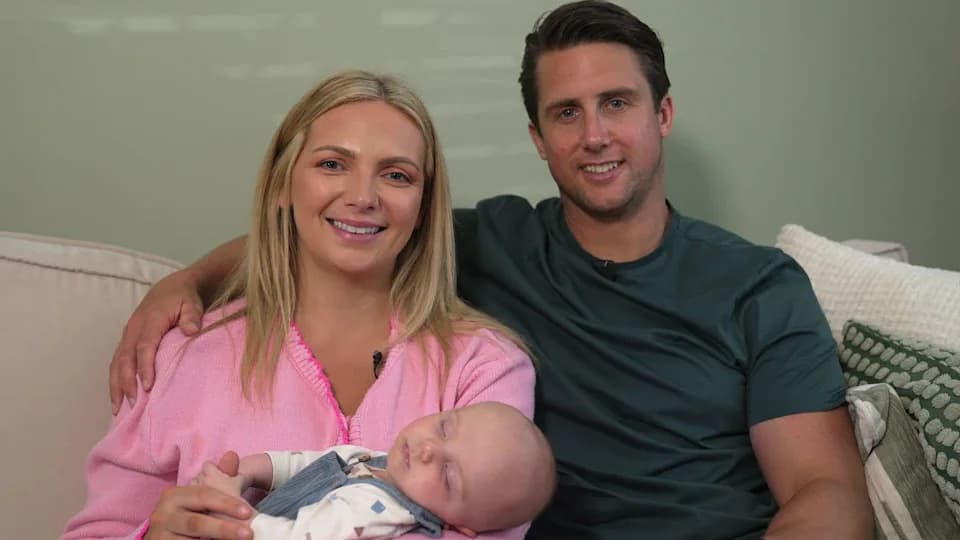
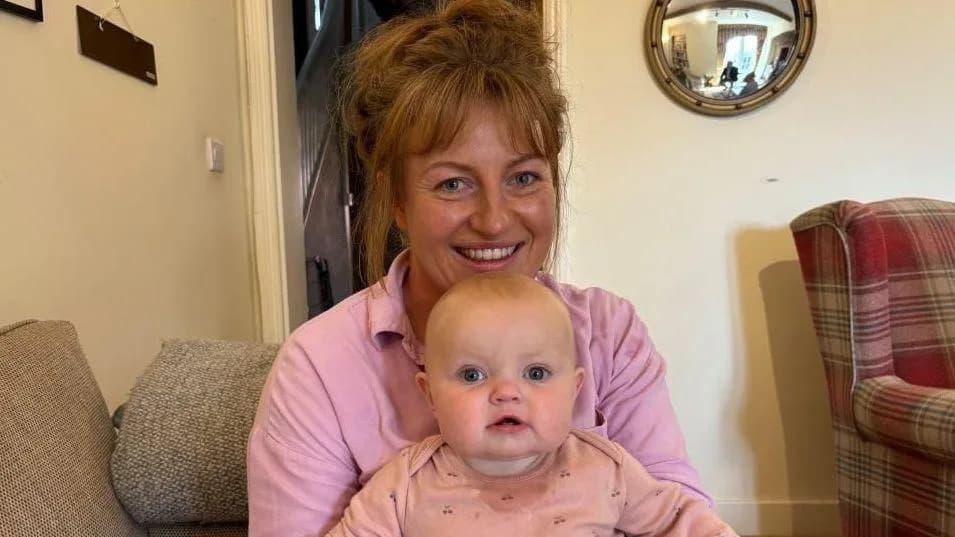
Maisie, Josh and Theo are now back to normality at home [BBC]
Doctors have performed a groundbreaking prenatal operation to repair a serious birth defect while the baby remained in the womb. Maisie Savage, 29, travelled from London to Houston at 26 weeks of pregnancy to take part in a first-of-its-kind clinical trial that successfully corrected complex gastroschisis in her unborn son, Theo.
What Happened
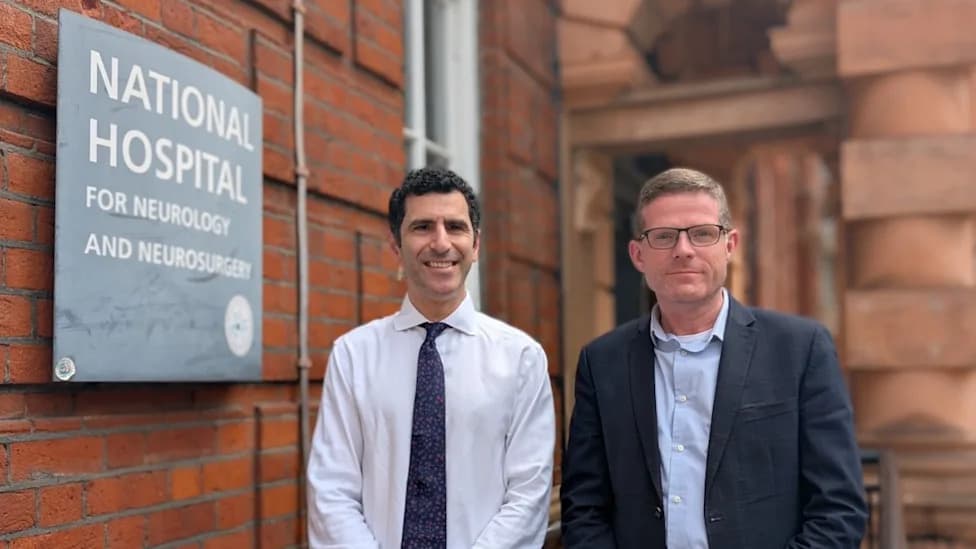
Gastroschisis is a congenital condition in which the abdominal wall does not close properly, allowing the intestines to develop outside the fetus’s body. In severe, or "complex," cases the exposed organs can be damaged and long-term outcomes are significantly worse. To reduce these risks, surgeons led by Dr Michael Belfort at Texas Children's Hospital performed minimally invasive fetal surgery to return Theo’s intestines to his abdomen and close the defect.
The Procedure
Before the operation, specialists at Leuven Hospital in Belgium injected Botox into the fetal abdominal wall to relax the muscles and make repair easier. In Houston, surgeons partially exposed the uterus through the mother’s abdomen, drained and replaced the amniotic fluid with carbon dioxide to create an operating space, and used keyhole instruments to reposition the intestines and suture the abdominal wall. The procedure was performed without complications and Maisie carried Theo to term.
Recovery and Outcome
The operation left Maisie with a scar about twice the length of a typical C-section incision and a challenging recovery, especially as Theo continued to move in utero. Despite the discomfort, the couple say the outcome was worth it: Theo was born vaginally in February and is now a thriving five-month-old.
Significance and Future Prospects
The repair makes Theo the third baby worldwide to receive this prenatal treatment for complex gastroschisis. Clinicians at Texas Children's and Great Ormond Street Hospital (GOSH) in London hope that, if the trial continues to yield positive results, the procedure can be offered more widely, including in the UK. Dr Belfort — who previously advanced fetal surgery for spina bifida — said the uterus may become a new space for innovative fetal procedures, potentially extending in the future to certain cardiac and lung interventions.
“He’s a little miracle, isn’t he?” Maisie said, reflecting the family’s relief. The parents praised the teams at GOSH and Texas Children’s for the care they received during an anxious period.
Context
Gastroschisis affects roughly 1 in 3,000 births in the UK. Mild cases often require neonatal intensive care and later corrective surgery. Severe cases can entail months in neonatal intensive care, prolonged parenteral nutrition, repeated operations, and in rare instances intestinal transplant, with mortality rates approaching 10% even with advanced care.
Support
If you have been affected by gastroschisis or other fetal health issues, resources and support are available through hospital services and patient support organisations. The BBC Action Line also lists information and support contacts.
Help us improve.