Domestic abuse often begins subtly and can intensify after major life changes such as childbirth. WHO estimates nearly one in three women worldwide have experienced sexual or physical violence, yet many cases go unreported. A University of Cambridge study describes how perpetrators alternate devotion and cruelty — a tactic researchers call the weaponisation of love — which can emotionally bind victims even without financial dependence. Survivor-centred support and early intervention are crucial to help people leave and recover.
When Love Is Used As A Weapon: How Abusers Bind Victims With Devotion And Cruelty
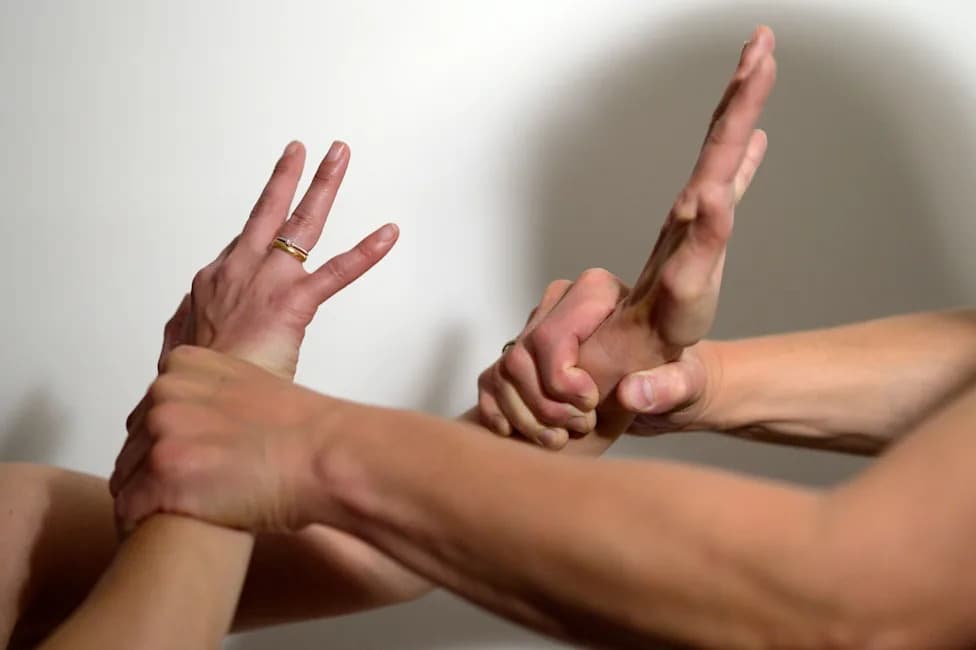
A man's arms (right) are forcefully holding a woman's arms. Maurizio Gambarini/dpa
The strain in Ella's relationship began after the birth of her first child, when her partner Martin started accusing her of neglecting him emotionally and sexually. "You're paying too much attention to the baby and not enough to me," he yelled, then moved on to constant put-downs: "You're always changing the baby's nappy," "You're not a proper mother," and "You don't know what you're doing."
What began as emotional cruelty escalated into physical violence. According to Barbara Wittel, a counsellor at the German non-governmental organisation Pro Familia, Martin shoved Ella and struck her upper arm with his fist. The bruises went unnoticed by others, and Ella — not her real name — is one of millions of women worldwide who endure domestic abuse.
The Scale Of The Problem
Estimates from the World Health Organization using 2023 data indicate nearly one in three women globally — roughly 840 million girls and women — have experienced physical and/or sexual intimate partner violence or sexual violence by a non-partner in their lifetimes. Official statistics, however, capture only a fraction of the problem: a large EU survey of more than 114,000 women found just one in eight who experienced violence reported it to the police.
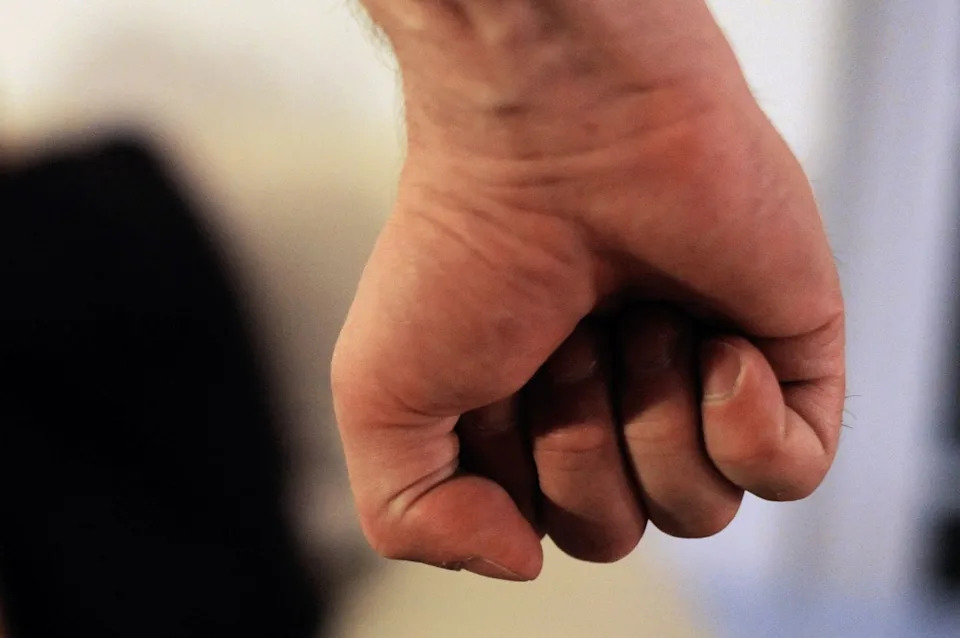
A man clenches his fist. Maurizio Gambarini/dpa
Weaponised Love: A Pattern Of Manipulation
Research from the University of Cambridge describes a pattern in which perpetrators alternate intense devotion with cruelty and, in some cases, violence. Lead author Mags Lesiak calls this tactic a manipulation of love: affection is given, withdrawn and restored in ways that disorient and emotionally bind victims.
"These relationships start with enchantment," Lesiak says. "The coercion and abuse that follows is so disorientating, it leaves victims desperate to preserve the earlier image of their abuser."
Published in the journal Violence Against Women, the study drew on in-depth interviews with 18 women who had experienced repeated domestic abuse. All had left their relationships safely, yet many described a powerful and confusing urge to return. The research highlights that attachment to an abuser is not merely a passive trauma response but can result from deliberate psychological strategies by perpetrators.
Why Survivors Stay
Experts emphasise there is no single reason victims remain in abusive relationships. Fear, emotional manipulation, concern for children, and financial barriers all play a role. Crucially, emotional and psychological control can trap victims even when traditional dependencies — shared housing, finances or children — are absent.
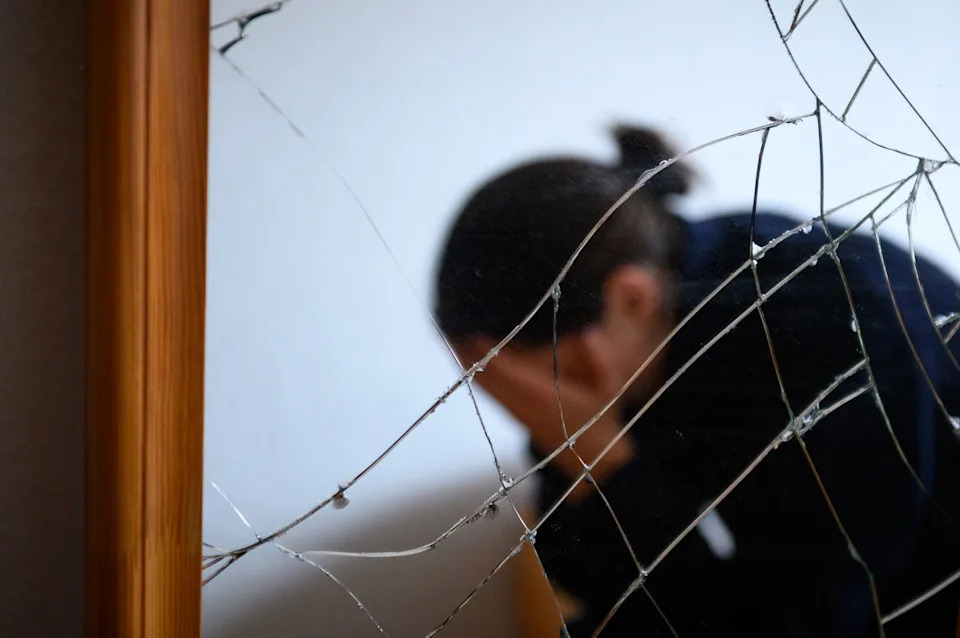
A woman is sitting on a bed next to a cracked mirror, holding her head in her hands (staged scene). Jonas Walzberg/dpa
Paola Delgado Klamroth of the Federal Association of German Psychologists says the study offers a valuable, survivor-centred view of domestic violence and underscores the importance of recognising complex manipulation tactics. Trauma therapist Barbara Wittel notes an early warning sign is when one partner is no longer allowed an independent opinion — a dynamic that normalises submission over time.
Support And Recovery
For survivors trying to leave, outside support can be decisive. Wittel stresses that having someone who recognises and affirms the survivor — saying, "I see you" — can be lifesaving. Many victims arrive at shelters only after being isolated from friends and family by their partners.
In Ella's case, a second pregnancy brought her to Pro Familia. Unable to imagine another child with Martin, she chose to terminate the pregnancy, continued counselling, and with support left the relationship. She now lives with her child in a women's shelter.
Key Sources: World Health Organization (2023 data); EU Fundamental Rights Agency / Eurostat / European Institute for Gender Equality survey; University of Cambridge study published in Violence Against Women; interviews and counselling insights from Barbara Wittel (Pro Familia).
(Photo captions: A man clenches his fist. Maurizio Gambarini/dpa) (A staged scene shows a woman sitting on a bed next to a cracked mirror, holding her head in her hands. Jonas Walzberg/dpa)
Help us improve.