After a romantic partner converted her Connecticut home into a smart home, a woman alleges he later used those devices, hidden GPS trackers and invasive spyware to stalk her, interfere with daily life and sabotage professional contacts. A security advisor confirmed spyware on her devices and police are investigating. The case underscores how connected technology can be misused in intimate-partner abuse and urges victims to document incidents and seek help.
Connecticut Woman Says Ex Turned Her Smart Home Into A Stalking Tool — Devices, Trackers And Spyware Alleged
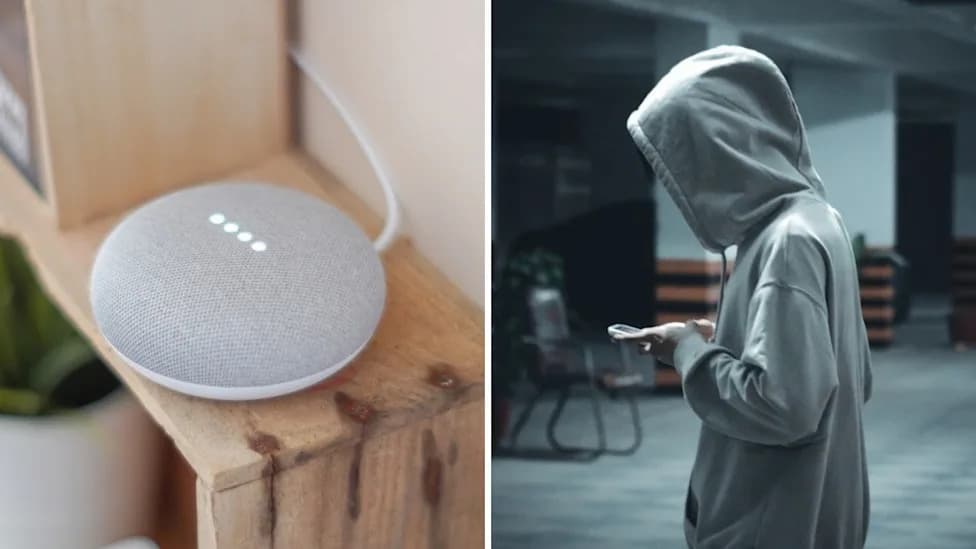
John (Giannis) Tekeridis on Pexels; Anas Ahmed on Pexels.
A Connecticut creative identified only as “AM” says a thoughtful surprise turned into a nightmare when the partner who upgraded her house with smart devices allegedly weaponized them after their breakup. According to interviews and reporting by The New York Post, AM says the convenience of phone-controlled speakers and lighting gave way to persistent harassment, surveillance and professional sabotage.
What AM Alleges
AM told reporters that, after she returned from a trip to Europe, her boyfriend had converted her home so she could control lighting and stereo speakers from her phone. After the relationship ended, she says the same systems were used to interfere with her daily life—dimming lights at odd hours and switching off the television without warning. "After the fact, I realized that I was 100% targeted," she said.
Escalation Into Stalking And Sabotage
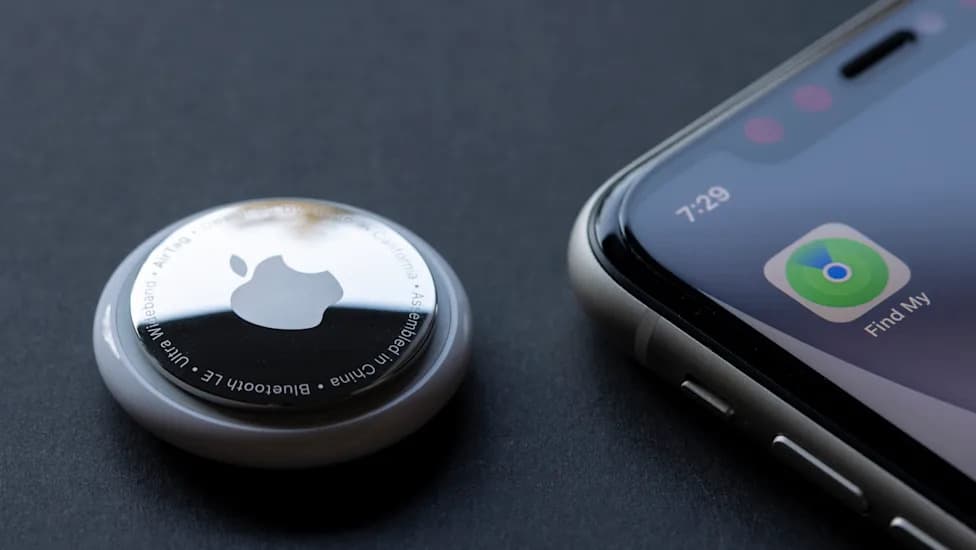
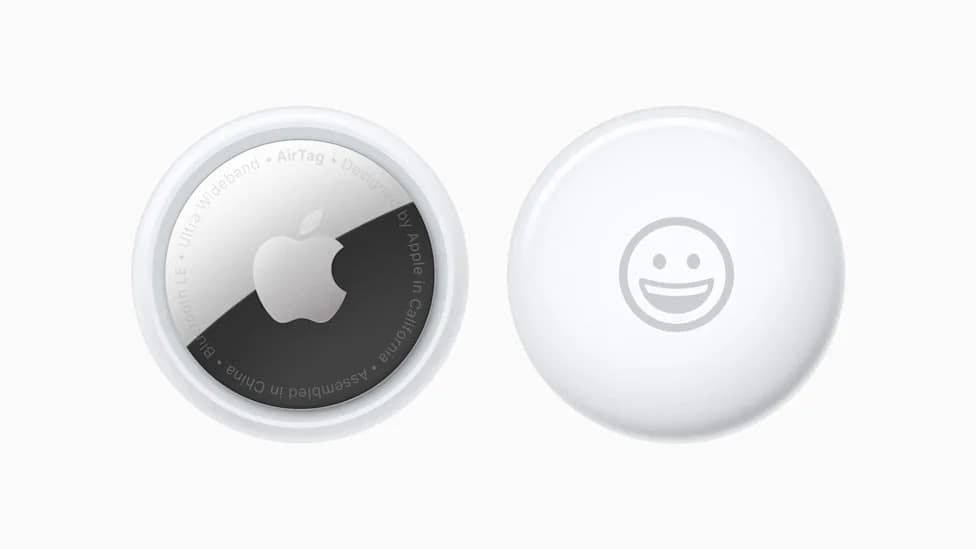
AM alleges the harassment escalated beyond intermittent interruptions. She claims her ex hid GPS trackers in her car using devices sold for luggage tracking, gained access to her cloud storage, and monitored her contacts and online purchases, including airline reservations. She also says he renamed professional contacts (for example, swapping a high-level creative director’s name for her babysitter’s) in a bid to undermine her career. "He was trying to make me look crazy," AM said.
"He knew he could paralyze me and take me down," AM said. "He used to say, 'Don't f*** with me.' I was scared. But I had no idea he could control me from afar."
Evidence And Response
Safe Harbor Advisory principal Steven Stern, who is working with AM, confirmed investigators found invasive spyware on her devices. AM says she has had to replace several phones and devices—she is now on her fourth iPhone—to try to remove the intrusions. She has filed a police report in Connecticut; police are reportedly investigating, but no arrest has been announced.
Context And Resources
Advocacy groups and research highlight technology-enabled abuse as a growing problem. The Office for the Prevention of Domestic Violence cites a survey finding that 99.3% of abuse survivors have experienced some form of technology-based abuse, and other global surveys report widespread online violence and stalking of women. The Anti-Violence Project defines technology abuse as the misuse of digital tools to exert control—this can include unauthorized access to accounts, cyberstalking, doxing, location tracking and manipulating connected devices such as lights or cameras without consent.
Organizations such as Women’sLaw recommend documenting incidents, changing passwords and devices, and contacting local domestic violence programs or shelters if physical safety is at risk. AM’s case serves as a warning about the potential for connected technology to be misused by intimate partners.
If You Need Help
If you or someone you know is experiencing domestic abuse, call the National Domestic Violence Hotline at 1-800-799-SAFE (7233) or 1-800-787-3224 (TTY), or visit justice.gov/ovw/resources-victims-and-survivors for additional resources.
Help us improve.