Conservative Christian influencers and paid "wife school" programs encourage women to accept more submission and unpaid domestic labor while framing sex as a marital duty. Prominent figures—including Savanna Stone, Alex Clark, Tilly Dillehay, and Katie Voetberg—advocate prioritizing stability and service over attraction or accountability. Critics say these teachings can mask domestic inequality, silence women’s complaints, and in some cases contribute to serious emotional harm rather than addressing the root causes of troubled marriages.
“Wife School” Can't Fix MAGA Husbands — How Calls For Submission Mask Marital Inequality

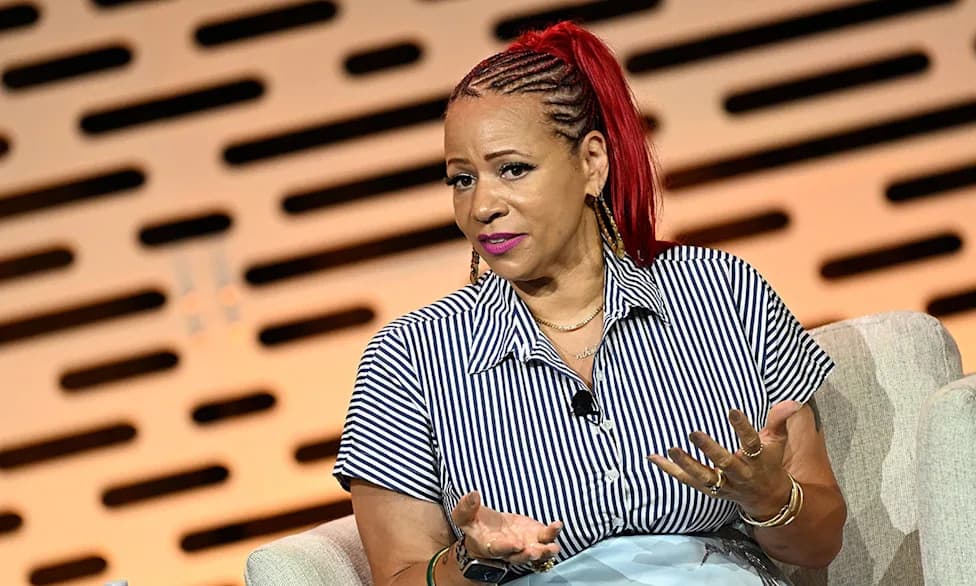
The apparent message of so-called wife schools is that women should swallow their resentment and submit to their husbands. Getty Images
How hard is it to enjoy your husband's company? A growing ecosystem of conservative Christian influencers and paid "wife school" programs answers that question by insisting the primary burden on many wives is learning to feel affection for—or at least convincingly pretend to like—their spouses. In practice, these courses and personalities often teach women to accept unequal household labor and to treat sex as a duty rather than a mutual, consent-based part of a relationship.
Who’s Teaching It?
Voices in this space range from glossy creators to pastor-turned-influencers. Savanna Stone, a 21-year-old self‑styled marriage coach, promotes slogans like "Normalize liking your husband" and argues that submission is granted by marriage rather than earned. Alex Clark, host of Turning Point USA's "Culture Apothecary," ran a "wife school" series that encouraged women to prioritize stability and submission over attraction or accountability. Guests such as Tilly Dillehay and Katie Voetberg reinforce these messages in interviews and podcasts.
What Do They Advise?
Common themes include: encouraging wives to tolerate lapses in responsibility rather than confront partners; framing household chores as primarily a wife's domain; and portraying sexual access as an obligation tied to the marriage covenant. In some cases, commentators argue consent is effectively settled by the marriage vow, describing sexual withholding as "manipulation."
“Submission isn't earned; it is given through the covenant of marriage.” — A widely circulated line among proponents.
Real Harms And Cultural Context
Critics warn these teachings can deepen resentment and conceal emotional or physical harm. The Netflix documentary The Death of the Pastor's Wife documented the tragic consequences for one woman whose life and mental health deteriorated under escalating expectations from a minister husband—underscoring how pressure to comply can have devastating outcomes.
Practical Advice Or Complicity?
Practical tips promoted in these spaces often amount to advising women to shoulder tasks quietly—pay bills, schedule appointments, take on chores—so problems "don't hit [the husband's] radar." That approach treats short-term calm as preferable to accountability and preserves a status quo in which men face little organized pressure to change.
What’s Missing
Notably absent from the landscape is an equivalent "husband school" that asks men to learn better communication, fairness, and shared responsibility. Without programs aimed at both partners, teaching only submission to women is unlikely to resolve the resentment and inequality that the courses claim to cure.
Bottom Line
"Wife school" programs channel genuine frustration among Christian women into lessons in endurance rather than structural change. While they may reduce conflict in the short term, they risk reinforcing the male dominance that generates the very dissatisfaction they claim to address.
Help us improve.