The CPSC proposed federal standards on June 24, 2026, to reduce fire and explosion risks from lithium‑ion batteries in micromobility devices. The rule—open for public comment through Aug. 24, 2026—would apply to new products after a proposed 180‑day phase‑in and targets thermal runaway, charging faults, tampering and poor labeling. Regulators reported 227 incidents from 2019–2023 tied to these batteries, including 39 deaths and 181 injuries. Consumers would not be required to discard existing devices, but new products could soon feature stronger safeguards and clearer warnings.
U.S. Proposes Stricter E‑Bike and E‑Scooter Battery Rules To Cut Garage Fire Risk
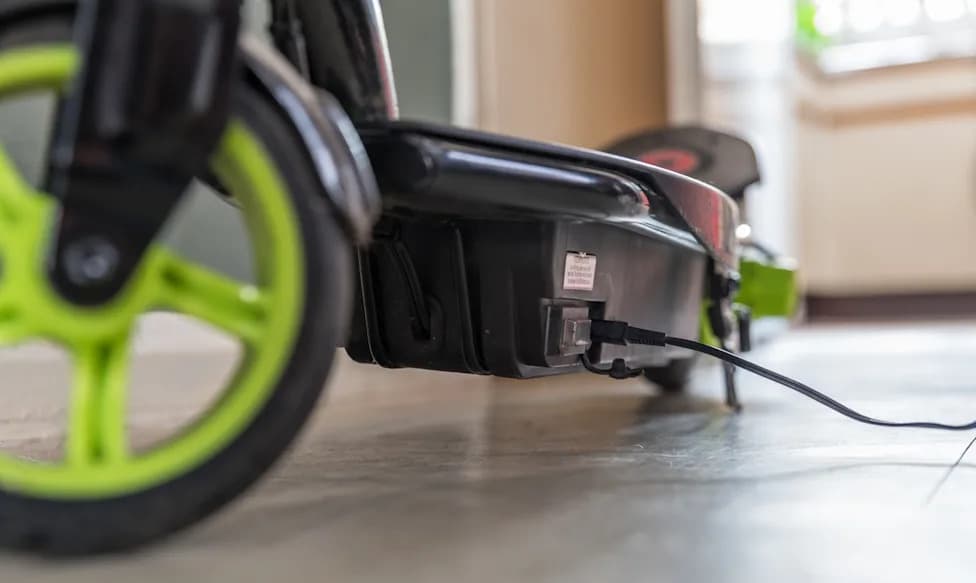
Photo Credit: iStock
The U.S. Consumer Product Safety Commission (CPSC) has proposed new federal safety standards aimed at reducing fast‑moving fires tied to lithium‑ion batteries used in micromobility devices. Published June 24, 2026, the proposal would change how batteries and chargers for e‑bikes, e‑scooters and related products are designed, tested, labeled and sold. Public comment is open through Aug. 24, 2026.
What The Proposal Would Require
- Expanded Charging Tests: New testing requirements to address charging faults, misuse (such as using the wrong charger) and unsafe charging conditions.
- Temperature Safeguards: Protections to prevent charging outside safe temperature ranges.
- Tamper‑Resistant Battery Cases: Some battery enclosures would need to resist opening with common household tools to discourage DIY repairs that can cause damage or fires.
- Clearer Aftermarket Charger Labeling: Third‑party chargers would have to state clearly which models they are compatible with.
- Stronger Warnings and Labels: More prominent labels covering fire and shock hazards, cautions about altered batteries, safe charging practices, and explicit instructions not to open or repair parts not intended for consumer service.
Scope And Limits
The rule targets lithium‑ion batteries used in a broad set of micromobility products, including e‑bikes, e‑scooters, hoverboards, electric skateboards, unicycles, separate replacement packs, conversion kits and third‑party chargers. It does not cover every household battery type—products such as laptops, cordless power tools and electric vehicles are explicitly outside this particular rulemaking.
Why Regulators Took Action
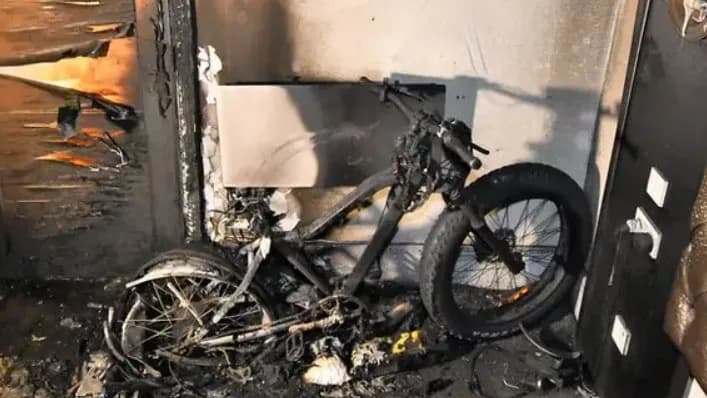
The CPSC flagged thermal runaway as the primary concern: a chain reaction inside a damaged or overheated lithium‑ion cell that can produce intense heat, heavy smoke, fire and even explosions. These failures become particularly dangerous when devices are charged or stored in garages, basements or entryways near flammable materials like cardboard, paint, propane or gasoline.
From 2019–2023 the CPSC tracked 227 incidents tied to lithium‑ion batteries in micromobility devices, including 39 deaths and 181 injuries—many involving charging problems.
What Consumers Should Know
Owners would not be forced to discard existing devices if the rule is finalized. Instead, the proposal applies to products manufactured after a proposed 180‑day phase‑in period. Consumers should, in the meantime, avoid charging batteries near flammable items, follow manufacturer charging instructions, and never attempt to open or repair swollen, leaking, smoking or unusually hot batteries.
If finalized, shoppers can expect safer battery designs, clearer warnings and better‑labeled chargers on newly sold micromobility products. Stakeholders and the public can submit comments to the CPSC through Aug. 24, 2026.
Help us improve.