Nine U.S. states lead the nation in installed solar capacity thanks to a mix of sunny geography, proactive policy and private investment. California and Texas dominate in total megawatts, while states such as Arizona and Nevada exploit desert terrain, and North Carolina, Illinois and New York emphasize community and equity programs. A common challenge is limited storage capacity, which many states are now addressing through batteries, hydrogen and policy targets.
Nine U.S. States Leading the Solar Transition — How They Are Using the Power of the Sun
Artistgndphotography/Getty Images
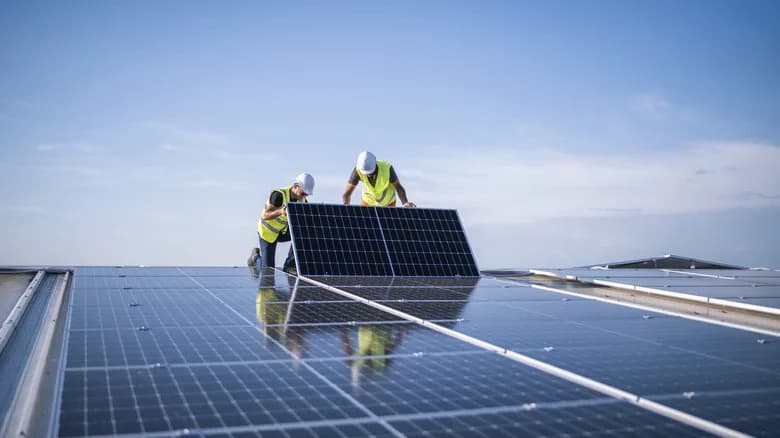
Solar power is playing an increasingly central role in the U.S. energy mix. To identify where solar has grown fastest, we used SEIA state rankings current through June 2026 and highlighted notable projects and policies that show how states are deploying their capacity. The result: a mix of sun-drenched geographies, forward-looking policy, industrial demand and creative pilot projects that together illustrate America’s evolving solar landscape.
Lokapik/Getty Images
California
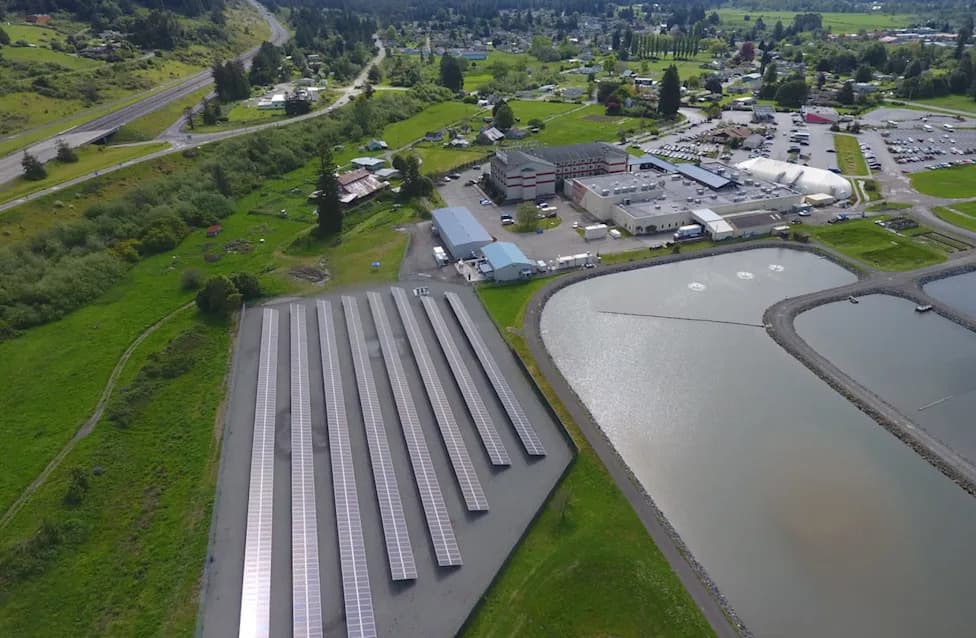
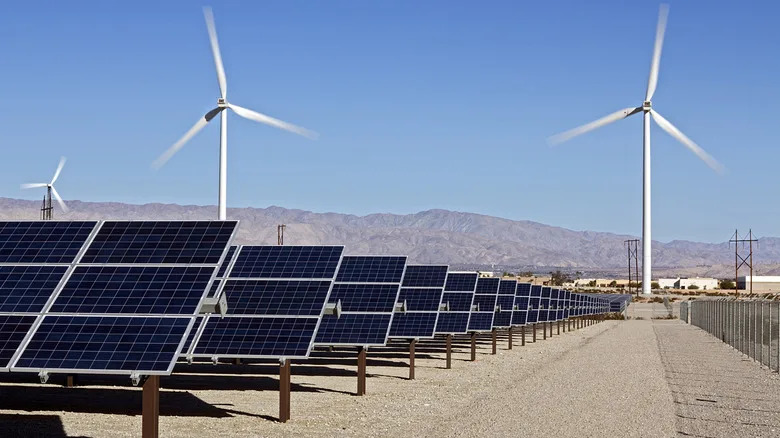
California tops the list with 55,510 MW of installed solar capacity and more than 60,000 MWh of storage. Its sunny climate is matched by policy: a Renewable Portfolio Standard targeting 60% renewable generation by 2030, strong net metering rules and incentive programs such as the Self-Generation Incentive Program (SGIP). California also runs innovative pilots like Project Nexus (panels over canals to generate electricity and reduce evaporation) and hosts the largest solar farm in the U.S.
pan demin/Shutterstock
Texas
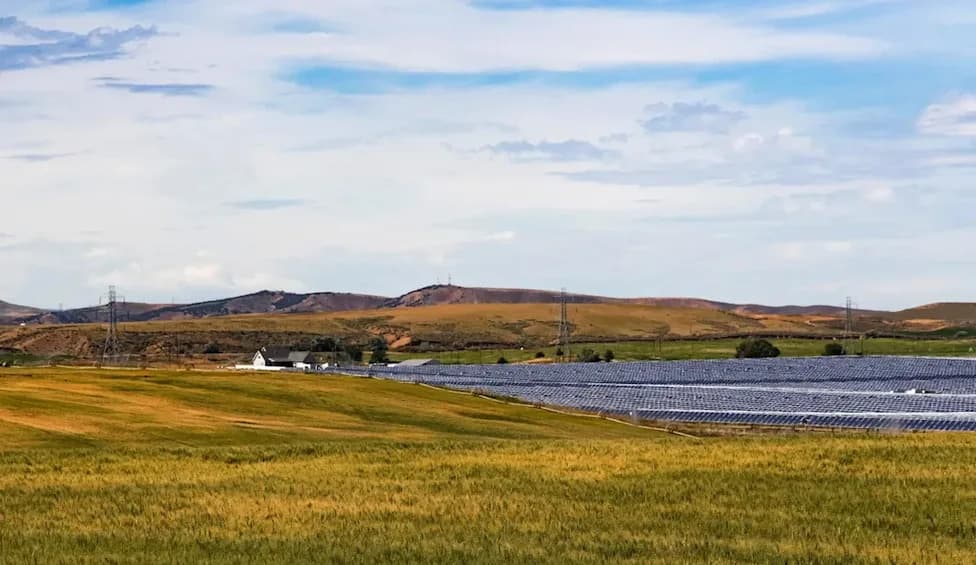
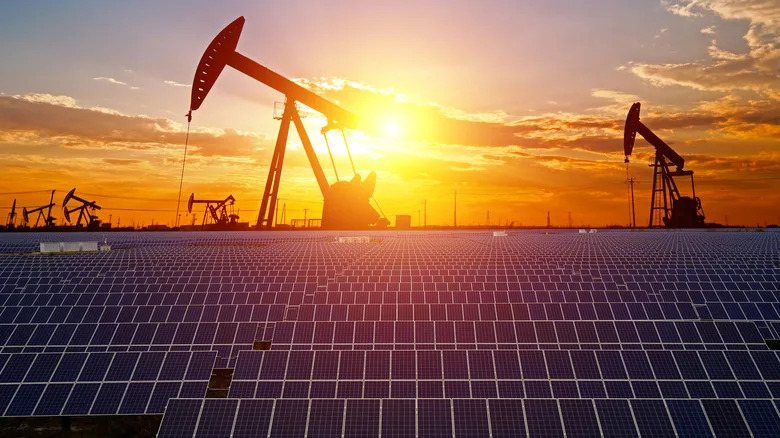
Texas follows closely with 53,568 MW of solar and 29,163 MWh of storage. While still the nation’s largest oil producer, Texas has rapidly expanded utility-scale solar and in late 2025 solar generation overtook coal. Residential rooftop potential remains underused (less than 2% tapped), but corporate demand — for example, a 1 GW supply agreement from TotalEnergies to Google data centers — is accelerating large-scale deployment.

Artiom Photo/Shutterstock
Florida
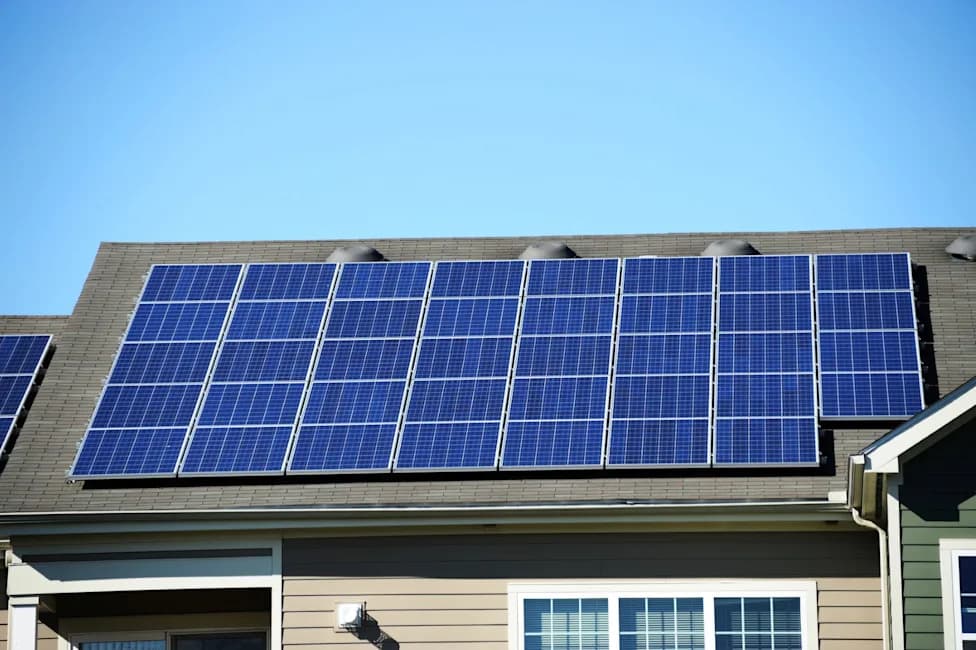
Florida reports 21,968 MW of installed capacity but only about 1,476 MWh of storage, with most capacity concentrated in utility-scale projects. The state’s exposure to hurricanes complicates rooftop adoption, yet about 4% of homes used solar by 2025 and installations are expected to rise. Florida is also exploring hybrid solutions like producing hydrogen from solar-powered electrolysis to store daytime generation for later use.

Nycshooter/Getty Images
Arizona
Arizona benefits from vast sunny deserts and reported 11,751 MW of solar with roughly 20,245 MWh of storage — a notably high storage-to-generation ratio. The state targets carbon neutrality by 2050 and has embraced agrivoltaics, placing solar arrays above crops to produce dual benefits: electricity and improved microclimates for certain plants. Arizona must balance development with ecological considerations in fragile desert systems.
Pgiam/Getty Images
North Carolina
North Carolina has 10,093 MW of solar but under 1,000 MWh of storage. The state leads in utility-scale projects and community-focused programs. Notable examples include a floating solar array at Fort Bragg (1.1 MW with 2 MWh storage) and a $156 million EPA award to EnergizeNC (2024) to expand equitable access to rooftop, multifamily and community solar, particularly for low-income communities.
Fake Plant Photography/Shutterstock
Illinois
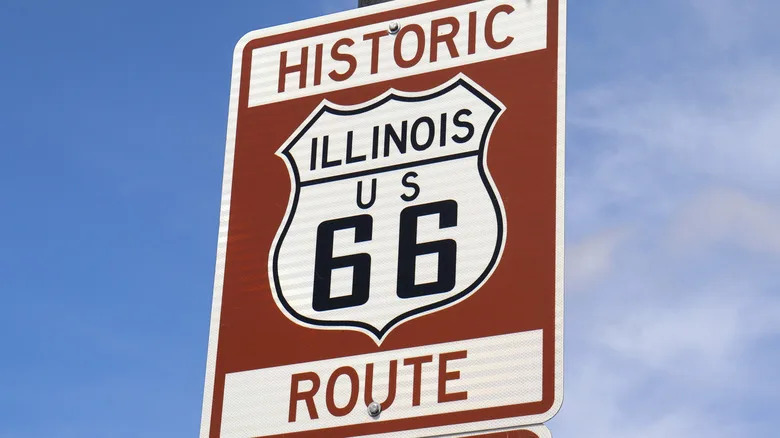
Illinois ranks sixth with 8,290 MW of solar but only about 93 MWh of storage today. To address that gap, recent state legislation targets 3 GW of battery storage by 2030. Illinois programs such as Illinois Solar For All and Illinois Shines aim to increase affordability and deploy incentives across schools, community projects and income-eligible households.

somchaij/Shutterstock
Nevada
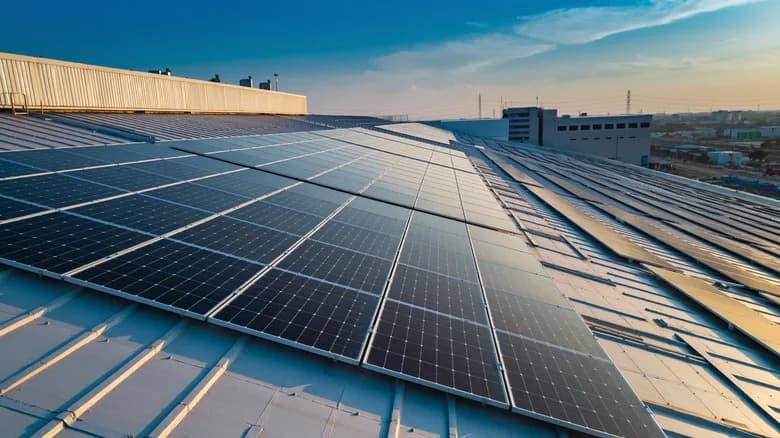
Nevada reports 8,244 MW of installed solar and 6,331 MWh of storage, and gets roughly 33.5% of its electricity from solar — second only to California in solar share. The state’s 1997 Renewable Portfolio Standard requires 50% renewable generation by 2030, and practical installations like Freedom Park’s 480 kW, 1,500-panel solar parking canopy show how solar can provide shade and produce power simultaneously.

Stockbym/Getty Images
New York
New York has 8,226 MW of solar and about 1,096 MWh of storage, with solar supplying roughly 7.7% of the state’s electricity. The NY-Sun program promotes rooftop and community solar, backed by $200 million to add about 1 GW of distributed generation statewide. New York City aims to add 1,000 MW by 2030. Community-owned projects such as Sunset Park’s cooperative solar model expand access for renters and small businesses.
John McAdorey/Shutterstock
Virginia
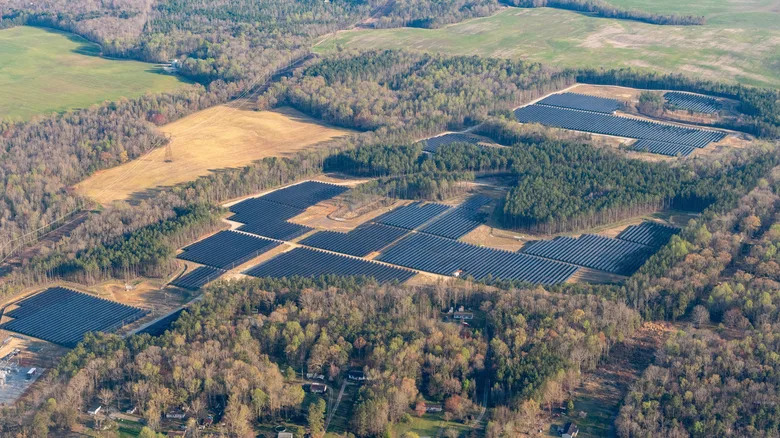
Virginia rounds out the top nine with 7,841 MW of capacity and 162 MWh of storage. Nearly 10% of power now comes from solar and capacity has surged since 2015. The Virginia Clean Economy Act (VCEA) set a combined solar and wind target of 16,100 MW. The Spotsylvania Solar project combines multiple installations over 6,350 acres while preserving 2,000 acres for conservation.
Standret/Shutterstock
What This List Shows
These nine states illustrate varied pathways to scale solar: strong policy (California, Nevada), industrial demand and corporate deals (Texas), innovative storage strategies and hydrogen production (Florida), agrivoltaics (Arizona, North Carolina) and equity-focused programs (Illinois, North Carolina, New York). A persistent theme is the storage shortfall relative to generation in many states—addressing that gap will be essential for reliable, high-renewable grids.
Data and methodology: Rankings are based on SEIA state data updated through June 2026. We supplemented SEIA figures with state and federal sources and cited notable projects that exemplify each state’s approach to solar deployment.
Help us improve.