The Dubai Turtle Rehabilitation Project released 23 rehabilitated sea turtles on June 12, bringing its total returns since 2004 to 2,351. One of the released animals, Foxy — a green turtle missing a front flipper — is the programme's 100th to be fitted with a satellite tracker. After surgery and staged care at Jumeirah facilities and rehabilitation lagoons, Foxy and other turtles were released so researchers can monitor migration and evaluate rehabilitation success. Officials urged the public not to handle distressed turtles and to report sightings to the rehabilitation team.
One‑Flipper Foxy Marks 100th Satellite‑Tracked Sea Turtle Release as Dubai Sends 23 Back to Sea
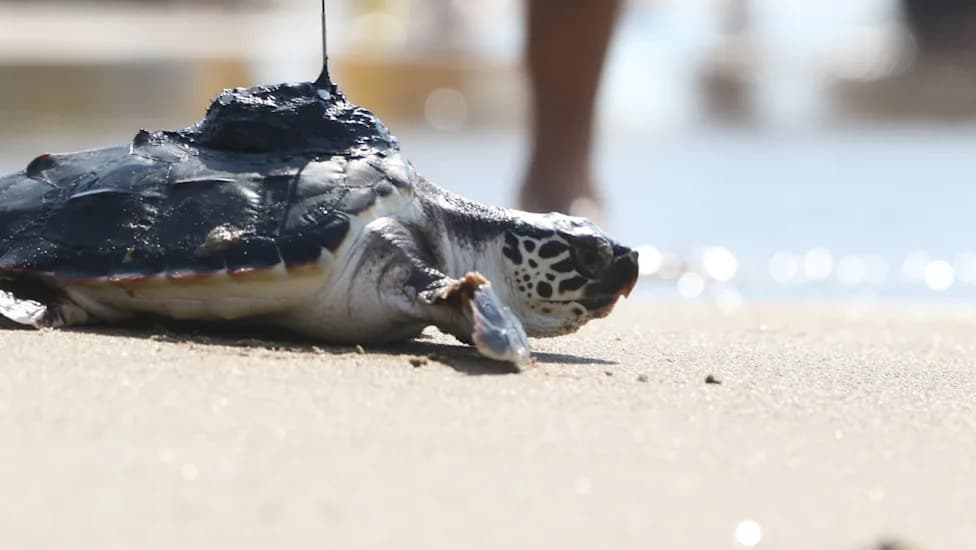
Photo Credit: iStock
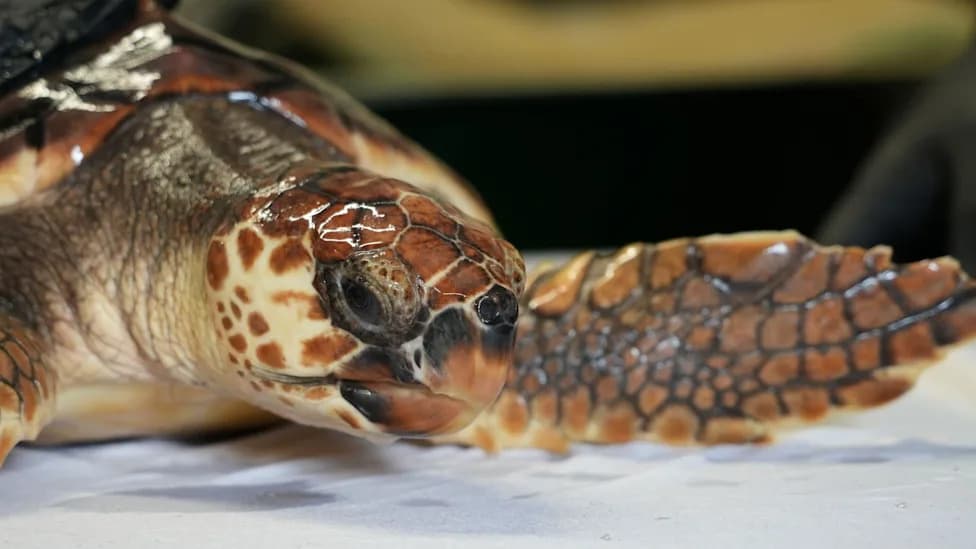
A green sea turtle missing one front flipper has swum back into the wild off Dubai after months of veterinary care and rehabilitation. The animal, known as Foxy, was released on June 12 as part of a group release that also marked a milestone for the Dubai Turtle Rehabilitation Project.
The long-running programme has now returned 2,351 turtles to the sea since 2004. On June 12, teams released 23 rehabilitated turtles — 22 green turtles and one hawksbill — shortly before World Sea Turtle Day. Gulf News published a video of the release on Instagram.
Foxy is the project’s 100th satellite‑tracked release. Found off Ras Al Khaimah in January last year with only one front flipper after an injury, she underwent surgery and an extended recovery before being fitted with a satellite transmitter so researchers can monitor her movements and adaptation to life back in the ocean.
H.E. Sheikh Fahim Bin Sultan Bin Khalid Al Qasimi, ambassador for the Dubai Turtle Rehabilitation Project, said he had released a one‑flipper turtle five years earlier and personally found Foxy. "She is a green turtle that was missing a front flipper, and we are very proud to have a tracking program that will follow her journey," he said.
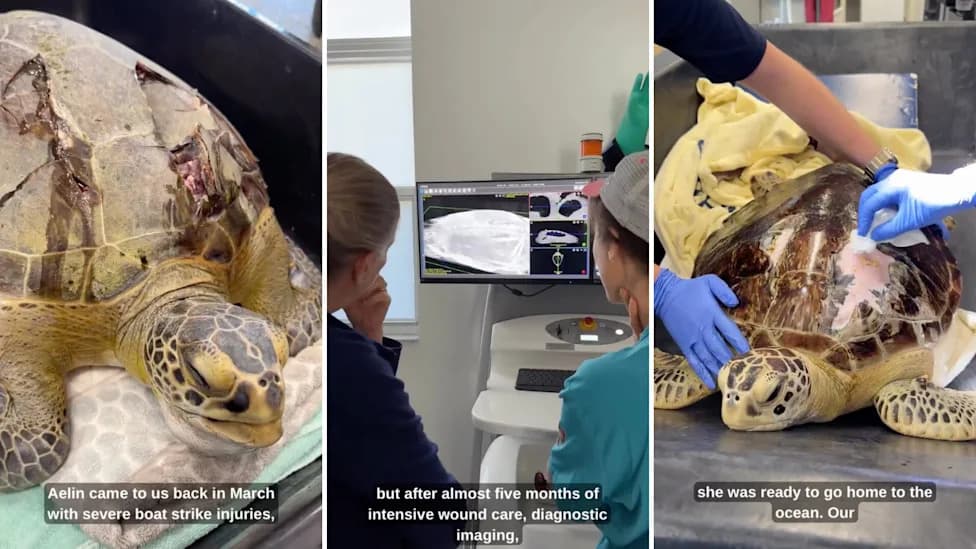
Barbara Lang‑Lenton, executive director of biodiversity at Jumeirah, described the medical care Foxy received: "We had to do surgery to repair the damage, and she has been with us since January last year. It has been a long recovery."
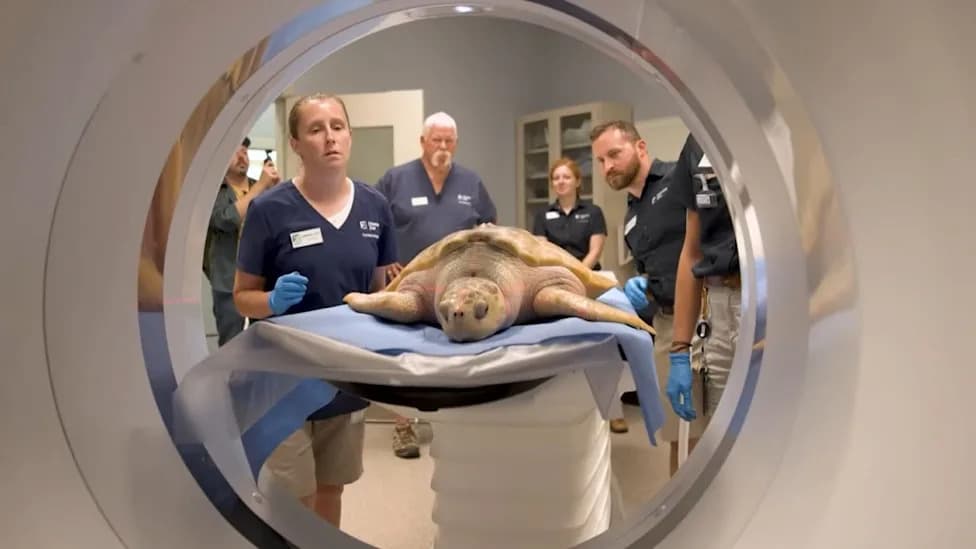
Rehabilitation follows staged care: turtles receive urgent treatment at the aquarium facilities at Jumeirah Burj Al Arab, then move to on‑site rehabilitation lagoons to rebuild strength and natural behaviours before release. Not every rescue ends with a return to the sea — some long‑term lagoon residents, such as Humpty and Dumpty, were injured in boat strikes and remain under care because they cannot dive normally.
Tracking rehabilitated turtles helps researchers map migration routes, assess how animals adapt after release, and evaluate whether rescue and rehabilitation techniques are effective. Project staff noted another released green turtle, Fatima, as a particularly interesting animal to follow; green turtles do not nest in the Gulf and typically migrate to nesting grounds on the East Coast, so tracking may reveal direct migratory behaviour after release.
Leaders emphasised that sea turtles are transboundary species. As Sheikh Fahim put it, "These creatures do not belong to the UAE, nor to the region. They travel across oceans." The programme also offers free public talks and feeding sessions at Jumeirah Al Naseem Turtle Lagoon to raise awareness and teach safe responses to encounters with distressed turtles.
Officials urged the public not to attempt to rescue or handle turtles themselves. If you find a turtle floating still at the surface or washed ashore, do not remove barnacles or try to move it — instead, contact the rehabilitation team so trained staff can respond safely.
How to Help: Report distressed turtles to the Dubai Turtle Rehabilitation Project, reduce plastic and marine pollution, and attend public talks to learn how to protect local marine life.
Help us improve.