Mayor Zohran Mamdani plans five city-owned grocery stores, funded with $70 million, promising roughly 30% lower prices on produce, meat and seafood. Supporters say the stores will serve food deserts and ease the burden of rising grocery costs; critics — including small and minority-owned grocers — warn the plan could undercut neighborhood businesses. Experts point to mixed results from prior municipal groceries and highlight challenges such as low margins, higher labor costs, and limited revenue if prepared foods are excluded.
Can NYC’s City-Run Grocers Cut Prices Without Crushing Local Stores?

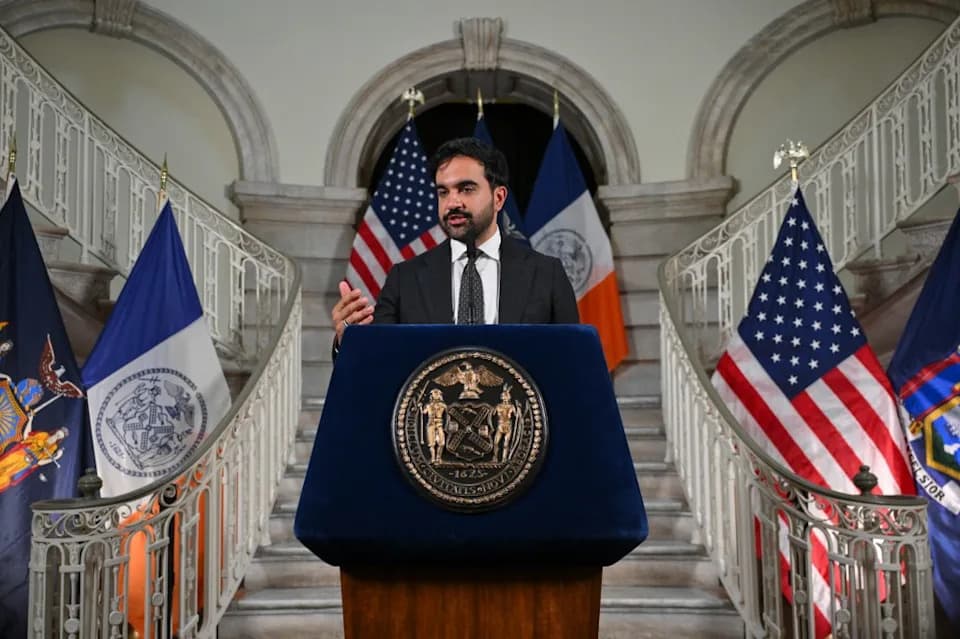
New York City's mayor, Zohran Mamdani, announces a city-wide, discounted grocery plan for city-run municipal grocery stores in Brooklyn on Monday.Photograph: Ryan Murphy/AP
Carlos Collado, a Dominican immigrant who owns five independent grocery stores in the Bronx and Manhattan, says three decades of operating in New York have been made harder by rising shoplifting and tax incentives the city gave to large grocery chains. He fears the new mayor, Zohran Mamdani, will add pressure by opening five city-owned grocery stores that aim to sell produce, meat and seafood at about 30% below typical retail prices.
Mamdani, a democratic socialist, has earmarked $70 million in the municipal budget to open one city-owned grocer in each borough. Two sites have been announced so far: La Marqueta in East Harlem and La Peninsula in Hunts Point, the Bronx, with the Hunts Point location expected to open by the end of 2027. The city will own the stores but has issued a request for proposals for private operators to manage them under contract.
Why the Plan Matters
Mayor Mamdani framed the initiative as a response to rising food costs. "In the wealthiest city, in the wealthiest country in the history of the world, no New Yorker should have to worry about being able to afford to feed their family," he said. Supporters argue the stores could fill fresh-produce gaps in neighborhoods often described as food deserts and provide relief to families hit hardest by soaring food prices.
Supporters’ Views
Maria Torres of The Point, a community development group in Hunts Point, said the area lacks adequate fresh-produce options and that La Peninsula would fill a need rather than displace nearby stores. She noted the city-run outlets will not sell cigarettes, alcohol, lottery tickets or hot prepared foods — items many bodegas rely on — which could limit direct competition with small retailers.
Concerns From Small Businesses
Many independent grocers and ethnic business groups disagree. Frank Garcia, chair of the National Association of Latino State Chambers, warned the plan could "devastate the economic growth of the small minority ethnic business." Opponents say even limited product assortments and below-market pricing could siphon customers from fragile neighborhood merchants.
Lessons From Other Cities
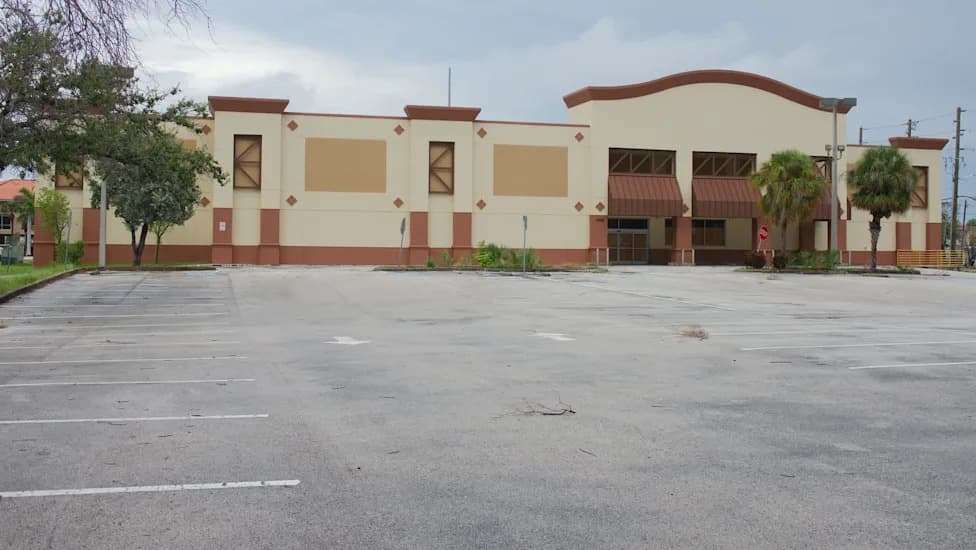
Municipal grocery experiments around the U.S. have produced mixed results. Baldwin, Florida, opened a city-run market in 2019 but closed it in 2024 after it failed to break even. Kansas City's nearly $18 million government-backed grocery and shopping center closed in 2025 amid rising crime and sluggish sales. By contrast, an Atlanta city-run grocery opened last year in a former Walgreens has received favorable reviews and coverage as a neighborhood asset.
Economic And Operational Challenges
Experts emphasize how difficult grocery retail can be. "It's a very low-margin business," said Stephen Zagor, an adjunct associate professor at Columbia Business School. The city hopes contracting private operators will yield strong supplier pricing at scale, but Zagor notes savings on purchasing could be offset by operating costs — especially if the stores pay union-level wages and benefits, as Mamdani has proposed. The decision not to sell hot prepared foods — which typically carry higher margins — could further limit revenue opportunities.
Andrew Rein, president of the Citizens Budget Commission, suggested the city consider alternatives such as targeted financial supports (for example, earned income tax credits) that directly help low-income households and may be more cost-effective at reducing food insecurity.
City Response And Next Steps
The mayor's office says the initiative is being designed to minimize competition with independent grocers and to target neighborhoods that lack sufficient grocery and fresh-produce options. Officials have convened roundtables with bodegas, independent grocers, food-policy experts and residents. The administration is confident its site selection and operator-partnership model can deliver affordable fresh food while maintaining a financially sustainable operating subsidy.
Opponents—including a newly formed Multicultural Business Coalition representing several ethnic chambers of commerce—have demanded meetings with the administration and warned of legal action if consultations do not occur. The debate centers on whether city-run stores can sustainably lower prices for vulnerable New Yorkers without undermining a vital network of small, often immigrant-owned, neighborhood grocers.
Context: Food Price Trends
Food prices have climbed sharply in recent years. In June, the average price of ground chuck was nearly $7 per pound — an 83% increase since June 2016, according to the U.S. Bureau of Labor Statistics. The New York–New Jersey region's food consumer price index rose about 33% between 2015 and 2024, per the Federal Reserve Bank of St. Louis.
Help us improve.