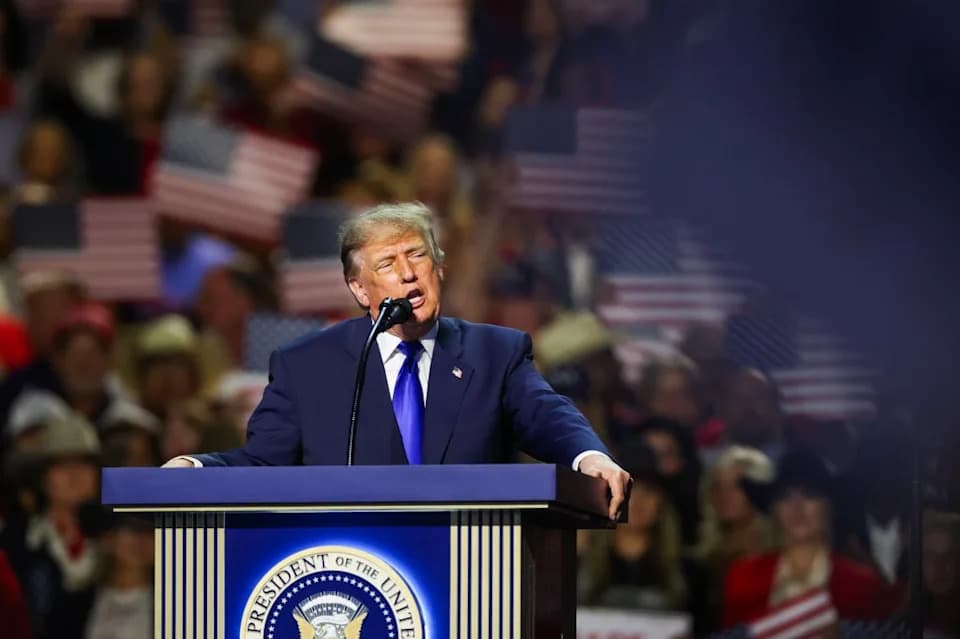
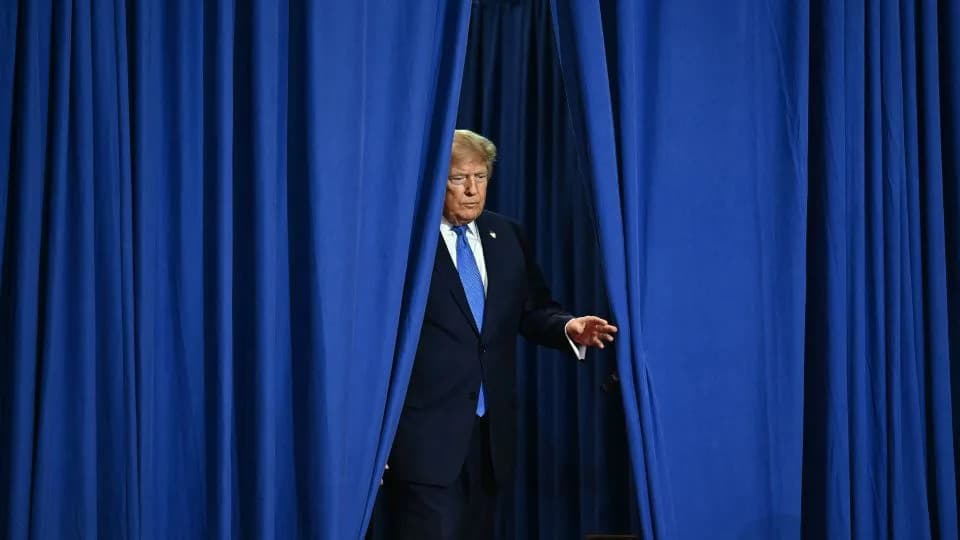
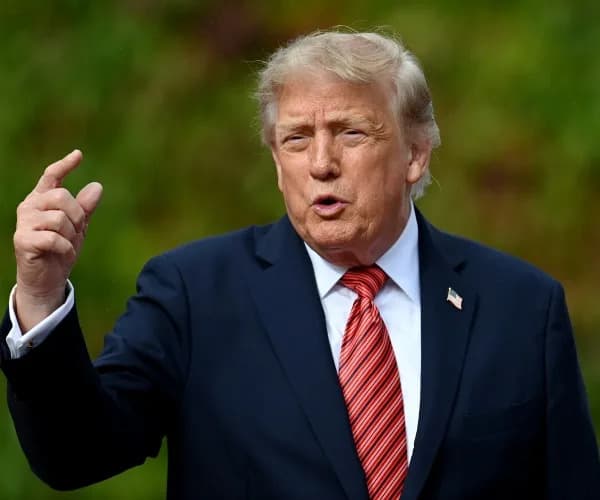
Senate Majority Leader John Thune and former President Donald Trump are increasingly at odds, creating a visible split in the Senate GOP ahead of the midterm elections. The dispute centers on Trump's push to pass the "SAVE America Act," end protections like the filibuster, and use the budget process to force party‑line votes — moves many senators oppose. The tension has worsened since the death of Sen. Lindsey Graham, a key mediator, and risks distracting Republicans from critical priorities such as keeping the government funded and defending vulnerable seats.
‘We Are Knifing Each Other’: Trump-Thune Rift Splinters Senate GOP Ahead Of Midterms
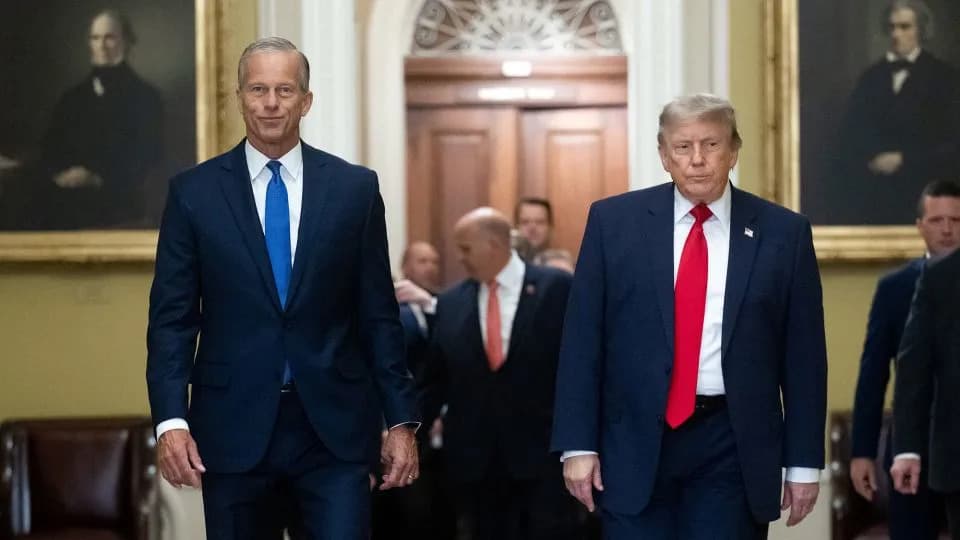
President Donald Trump walks with Senate Majority Leader John Thune on the way to a lunch meeting with Senate Republicans at the US Capitol on June 24, 2026. - Saul Loeb/AFP/Getty Images
Senate Majority Leader John Thune and former President Donald Trump have grown increasingly out of sync, deepening divisions within the Republican Senate caucus just months before crucial midterm contests. The widening rift — over the filibuster, the "SAVE America Act," budget maneuvers and personnel decisions — has complicated the GOP’s legislative calendar and heightened worries that infighting could cost the party vulnerable seats.
A Strained Relationship
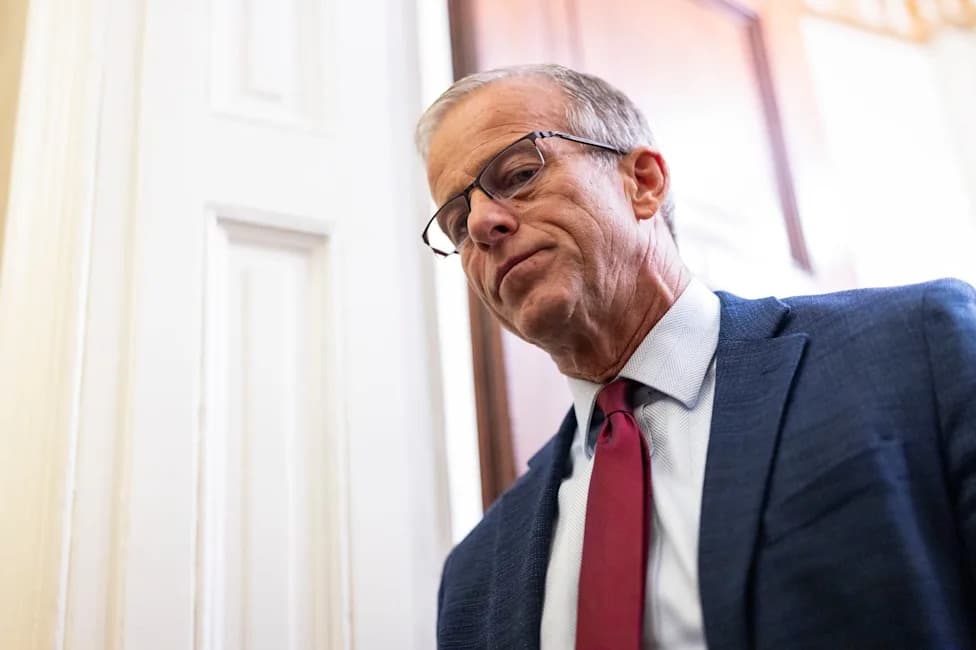
Thune says he often goes days or weeks without direct contact from Trump. While House Speaker Mike Johnson reports frequent calls with the president, Thune told CNN his conversations with Trump are now "more on an as‑needed basis." Much of what Thune and other Senate Republicans learn about the president’s priorities or criticisms comes through Truth Social and media reports rather than direct coordination.
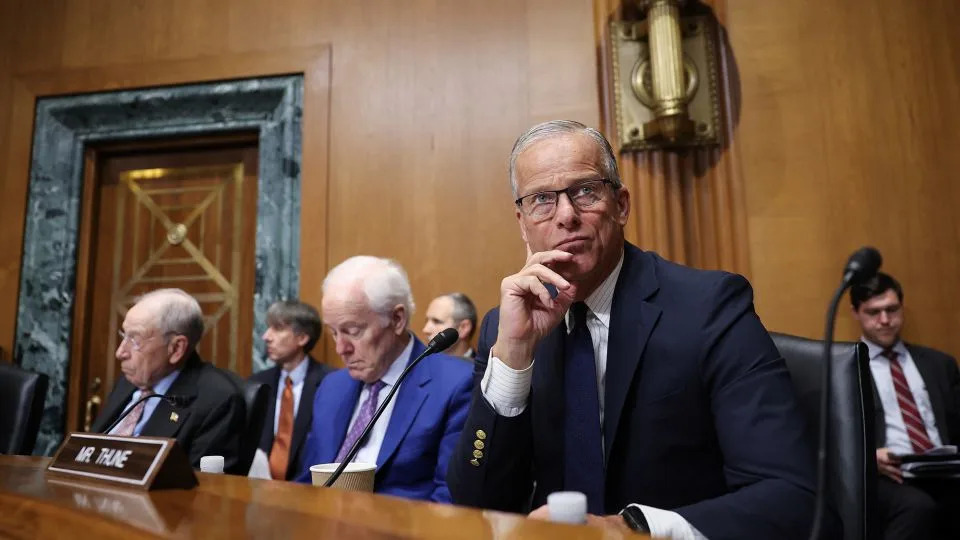
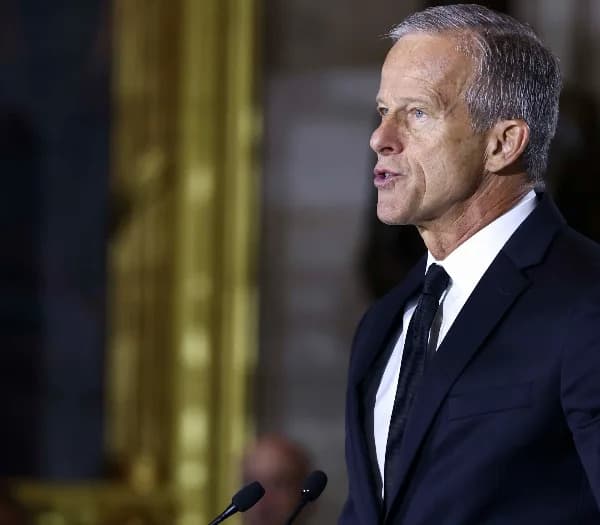
Senate Majority Leader John Thune, right, attends a Senate Finance Committee hearing on Capitol Hill on July 30, 2026. - Win McNamee/Getty Images
"With me, it's more on an as‑needed basis," Thune told CNN when describing recent contact with the president.
Flashpoints and Fallout
The dispute has played out across a series of high-profile developments. Trump publicly pressed MAGA activists to pressure Thune to pass the "SAVE America Act," even though the Senate had already rejected that voting‑restrictions bill. He canceled a signing ceremony for a bipartisan housing bill that Republicans had hoped to showcase, sidelined his nominee for director of national intelligence for a time, and announced a separate $1.8 billion "anti‑weaponization" fund that complicated immigration and border funding talks.
Those moves have left Thune and many of his colleagues scrambling to protect floor time for priorities such as a stopgap funding measure to keep the government open past Sept. 30 and a Russia‑sanctions bill. Trump’s push to advance major policy items through the budget-resolution process — a route that would permit party‑line passage but trigger a late‑night "vote‑a‑rama" of politically charged roll calls — has divided Senate Republicans, many of whom fear the political exposure.
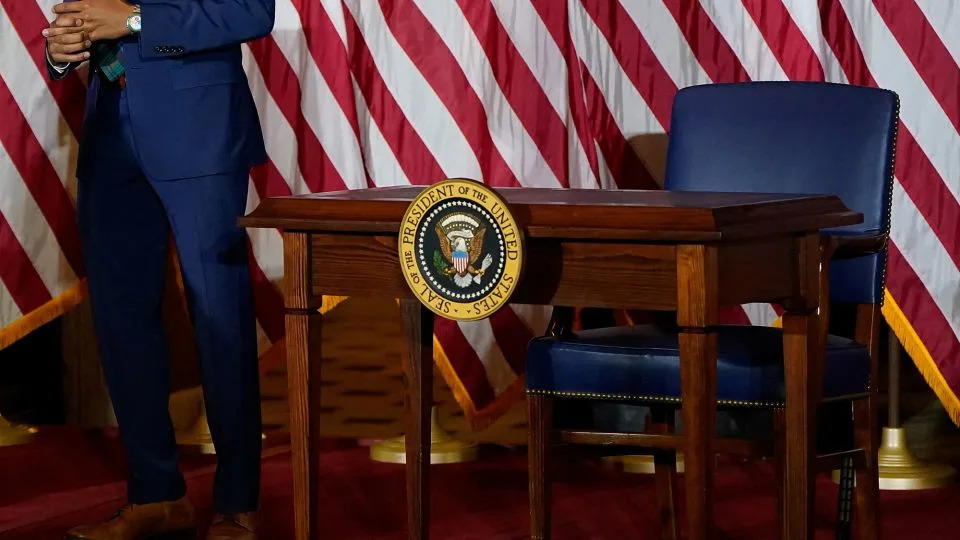
A signing desk sits on an event stage erected in Statuary Hall on Capitol Hill after President Donald Trump canceled a signing of a bipartisan housing bill on June 24, 2026. - Elizabeth Frantz/Reuters
Politics And Personnel
Roughly a dozen MAGA‑aligned senators have sided with Trump in recent skirmishes, while most Senate Republicans remain aligned with Thune. Several senators warned that the public feud creates a "circular firing squad" that could imperil fragile GOP margins in November. Some leaders suspect Trump could position Thune as a scapegoat if Republicans lose seats.
Thune has also resisted efforts to eliminate long‑standing Senate protections such as the filibuster and the "blue‑slip" practice for certain judicial and U.S. attorney nominations, saying such rules are tools the minority will need someday. "It's just a fact, we're not going to nuke the filibuster," he has said.
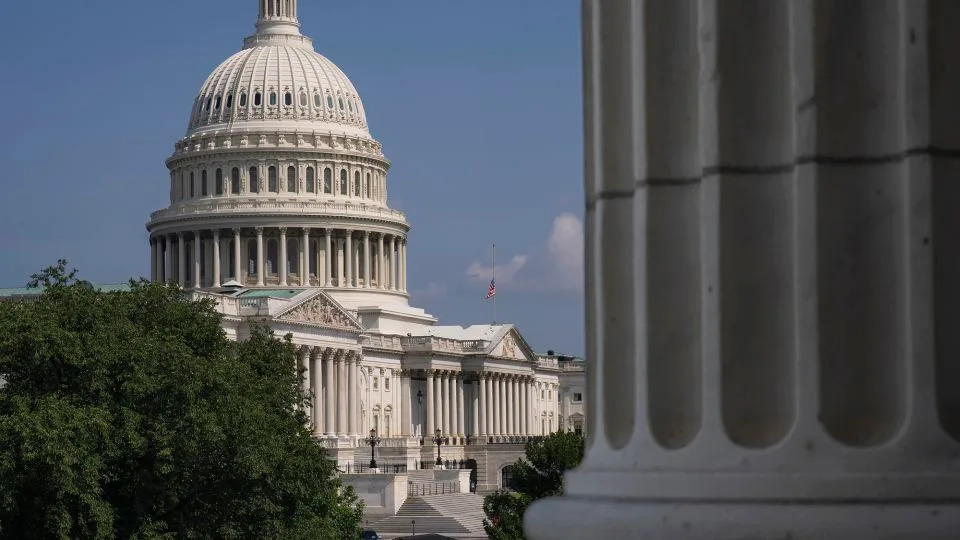
The US Capitol on July 22, 2026. - J. Scott Applewhite/AP
The Lost Mediator
Senators say the death of Sen. Lindsey Graham removed a critical bridge between Thune and Trump. Graham, a close friend of Thune and frequent golf partner of the president, had served as a mediator; his absence has made reconciliation more difficult.
What's Next
The Senate faces a near‑term inflection: a looming five‑week recess and a race to resolve key business beforehand. Trump has demanded passage of his priorities prior to adjournment, but many senators argue that forcing votes on measures that lack support would squander limited floor time and further fracture the conference. With leaders at odds over strategy, GOP senators say their immediate priority must remain keeping the government funded and protecting vulnerable seats ahead of the midterms.
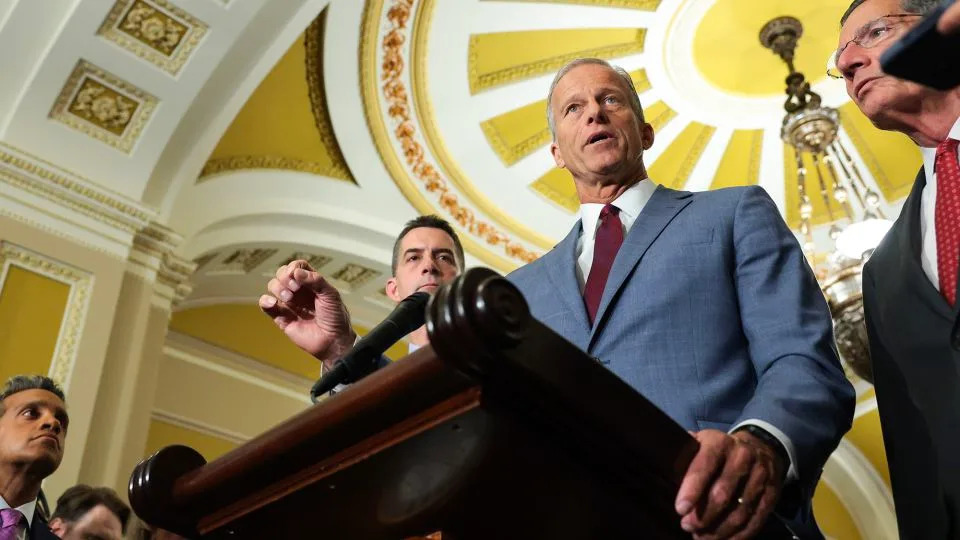
Senate Majority Leader John Thune speaks to reporters at the US Capitol on July 29, 2026. - Anna Moneymaker/Getty Images
When asked whether Trump was trying to make him a scapegoat, Thune replied: "I don't know." When asked a day earlier whether Thune remained the right leader, Trump said: "Well, we're going to find out and I'll let you know." Thune retorted: "He doesn't vote in our elections."
Several senators quoted in reporting emphasized a desire to coordinate better with the White House. "We need to be talking up the wins," one GOP senator said, "and instead we are knifing each other."
Reporting note: Multiple senators and GOP officials provided background for this account; several congressional aides and media reports were also cited in related coverage.
Help us improve.